Tag: vintage cars

  • How to Transport a Classic Car Safely: The Expert Guardian’s Guide

    How to Transport a Classic Car Safely: The Expert Guardian’s Guide

    What if the greatest threat to your vintage investment isn’t the open road, but the very equipment meant to protect it? Many collectors spend years perfecting a restoration only to find that generalist towing services lack the specific knowledge of how to transport a classic car safely. It’s a valid concern; your vehicle is a piece of automotive history, not just another task on a manifest.

    You likely understand that a low-clearance chassis or delicate paintwork requires a level of precision that standard logistics simply can’t provide. The anxiety of abrasive tie-downs ruining a concours-level finish or a steep ramp damaging a rare undercarriage is a reality for anyone who values engineering craftsmanship. You deserve a partner who respects the emotional and financial stakes involved in moving a high-value asset.

    This guide reveals the meticulous methods and specialised equipment required to move your prized classic without risking a single scratch. We will explore the technical safeguards, from tilt-tray technology to non-abrasive soft straps, that ensure a zero-damage delivery and total peace of mind.

    Key Takeaways

    • Understand why vintage chassis and suspension components require a specialised approach to mitigate harmful vibrations during transit.
    • Evaluate the benefits of specialised tilt-tray trucks against enclosed transport to ensure your vehicle is loaded with maximum visibility and care.
    • Master a comprehensive pre-transport checklist to document your vehicle’s condition and organise a seamless transition.
    • Discover the “Expert Guardian” method of how to transport a classic car safely using non-abrasive soft-tie straps to eliminate the risk of paintwork damage.
    • Learn how local expertise in the Stapylton and South East Queensland region ensures a smoother journey across the M1 and regional road networks.

    Why Classic Car Transport Requires a Specialised Approach

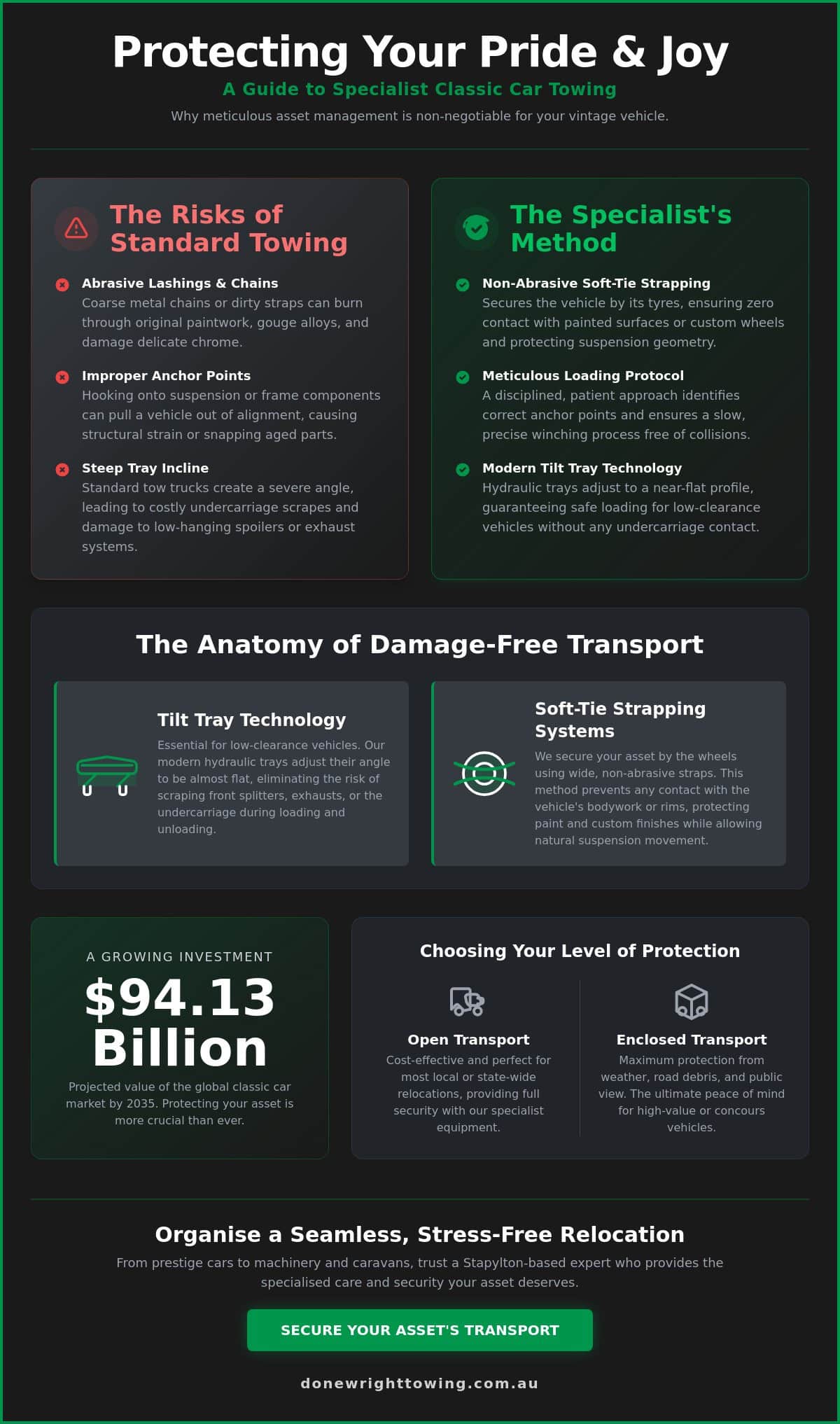
    Specialised transport is more than just a logistical task; it’s a damage-prevention methodology meticulously engineered for high-value assets. When you’re researching how to transport a classic car safely, the first thing to recognise is that vintage vehicles aren’t built like modern daily drivers. They possess a unique mechanical fragility that generalist towing companies often overlook. High-volume car carriers prioritise speed and capacity, frequently subjecting vehicles to excessive movement and rigid tie-down methods that can stress a classic’s aged frame.

    In contrast, the “Expert Guardian” approach treats your vehicle as a prized possession. This philosophy involves a deep respect for automotive history and the financial investment you’ve made. For many owners, the emotional stakes are just as high as the monetary value. Entrusting an irreplaceable piece of history to a generalist can lead to heartbreak if the handler doesn’t understand the specific nuances of vintage engineering. Precision matters when dealing with rare components that can’t simply be ordered from a local dealership.

    The Vulnerability of Vintage Engineering

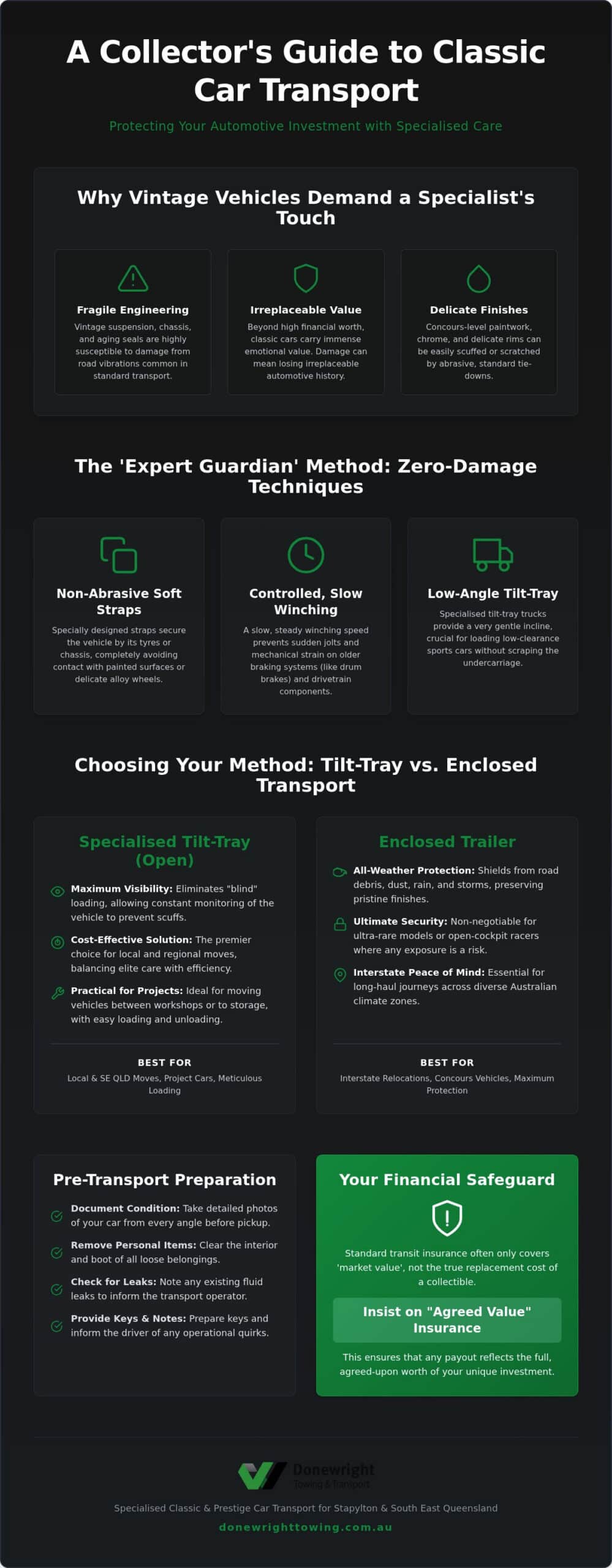
    Classic suspension and chassis components are significantly more susceptible to road-induced vibration than their modern counterparts. While a new sedan’s bushings are designed to absorb high-frequency chatter, an older car’s aging seals and gaskets can fail if subjected to constant deck vibrations during a long-haul move. Standard wheel straps, which are common in general logistics, can easily scuff delicate vintage rims or put undue pressure on wire spokes. Professional handlers use specific techniques to mitigate these risks:

    • Non-abrasive soft straps: These protect the finish of chrome bumpers and alloy wheels from friction damage.
    • Controlled winching: Older braking systems, such as drum brakes, require slow, steady winching to avoid mechanical strain.
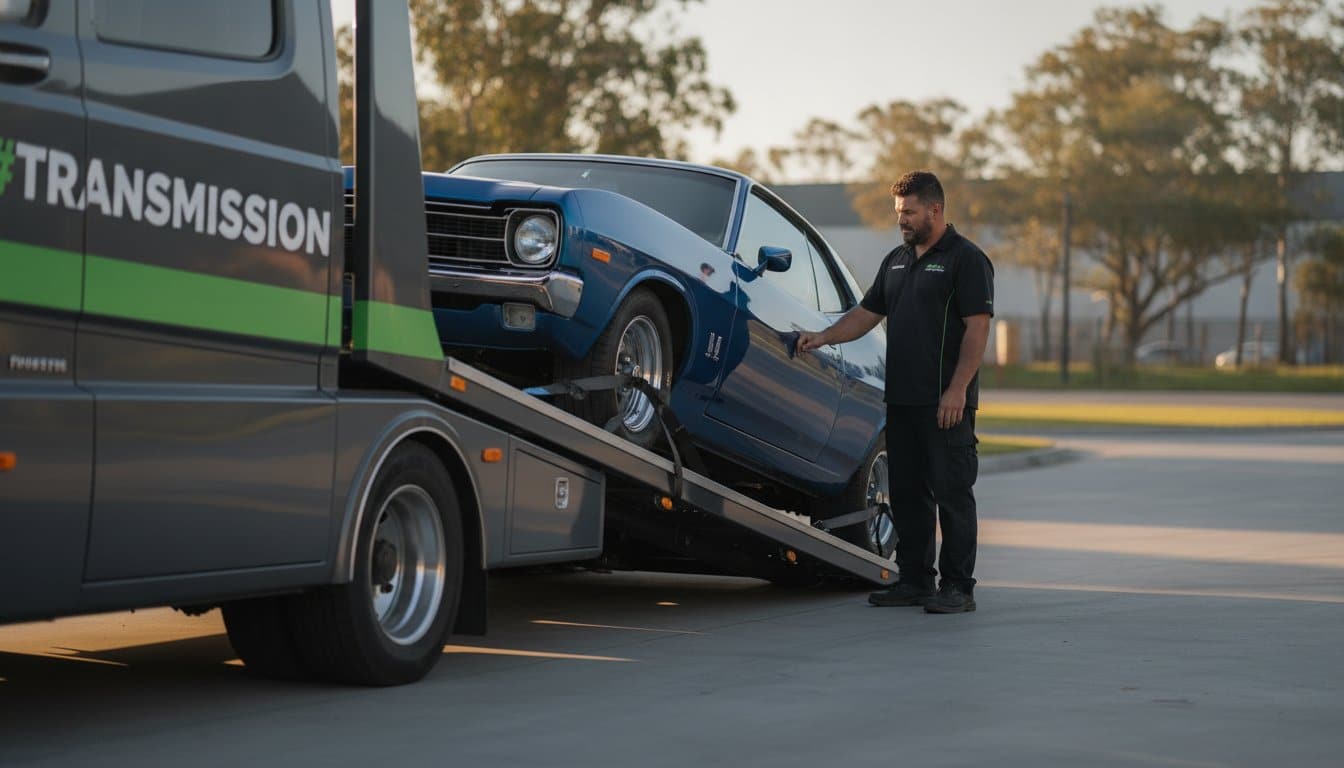
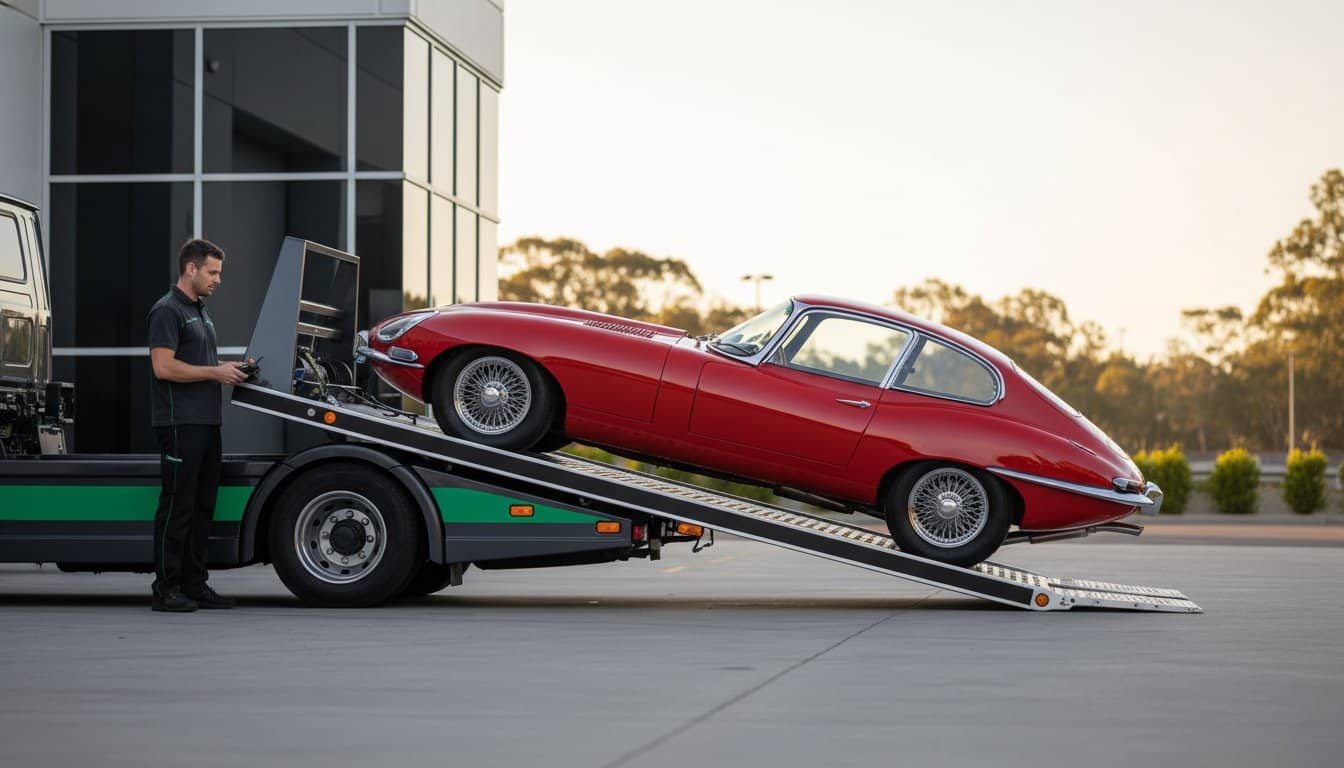
    • Low-angle loading: Specialised tilt trays are essential for low-clearance classics to prevent undercarriage scraping.

    Financial Protection and Specialised Insurance

    Standard transit insurance often falls short when it involves classic car transport. General policies typically cover vehicles based on current market value, which rarely accounts for the actual replacement cost of a rare or restored collectible. It’s vital to seek “agreed value” protection during the relocation process. This ensures that in the unlikely event of an incident, the payout reflects the true worth of your investment. Before booking, verify that your carrier is fully licensed and insured specifically for high-value prestige car transport. A reputable specialist will have no hesitation in providing proof of their credentials and insurance limits. Knowing how to transport a classic car safely means ensuring your financial protection is as robust as the physical equipment used.

    Open vs. Enclosed Transport: Choosing the Right Protection

    Selecting the right vessel for your vehicle is a cornerstone of professional car logistics. While some industry generalists claim enclosed transport is the only viable option for high-value assets, a nuanced look at how to transport a classic car safely reveals that the choice depends on distance, vehicle design, and the loading environment. Enclosed trailers offer a shield against the Australian elements, yet they introduce a unique risk: “blind” loading. In the tight confines of a trailer, a handler often has limited visibility of the vehicle’s corners and undercarriage, which can lead to accidental scuffs during the winching process.

    Cost considerations also play a significant role in the decision-making process. While enclosed transport carries a premium price for the added infrastructure, a specialised open tilt tray represents a highly cost-effective solution for local transfers. It balances elite-level handling with the efficiency of a direct, local service. For project cars or vehicles undergoing restoration, the visibility and ease of a tilt tray often make it the more practical choice, allowing for a stress-free transition between workshops or storage facilities.

    When Enclosed Transport is Essential

    Interstate relocations through diverse climate zones often necessitate an enclosed environment. If you’re moving a vehicle from Brisbane to Melbourne, for instance, your car will face road debris, varying humidity, and potential summer storms. Enclosed transport is a non-negotiable requirement for ultra-rare investments or “one-of-one” models where even minor dust ingress is unacceptable. This method is also the primary choice for open-cockpit vintage racers or vehicles with delicate soft-tops that cannot withstand highway-speed wind buffeting on an open deck.

    The Tilt Tray Advantage for Local Relocation

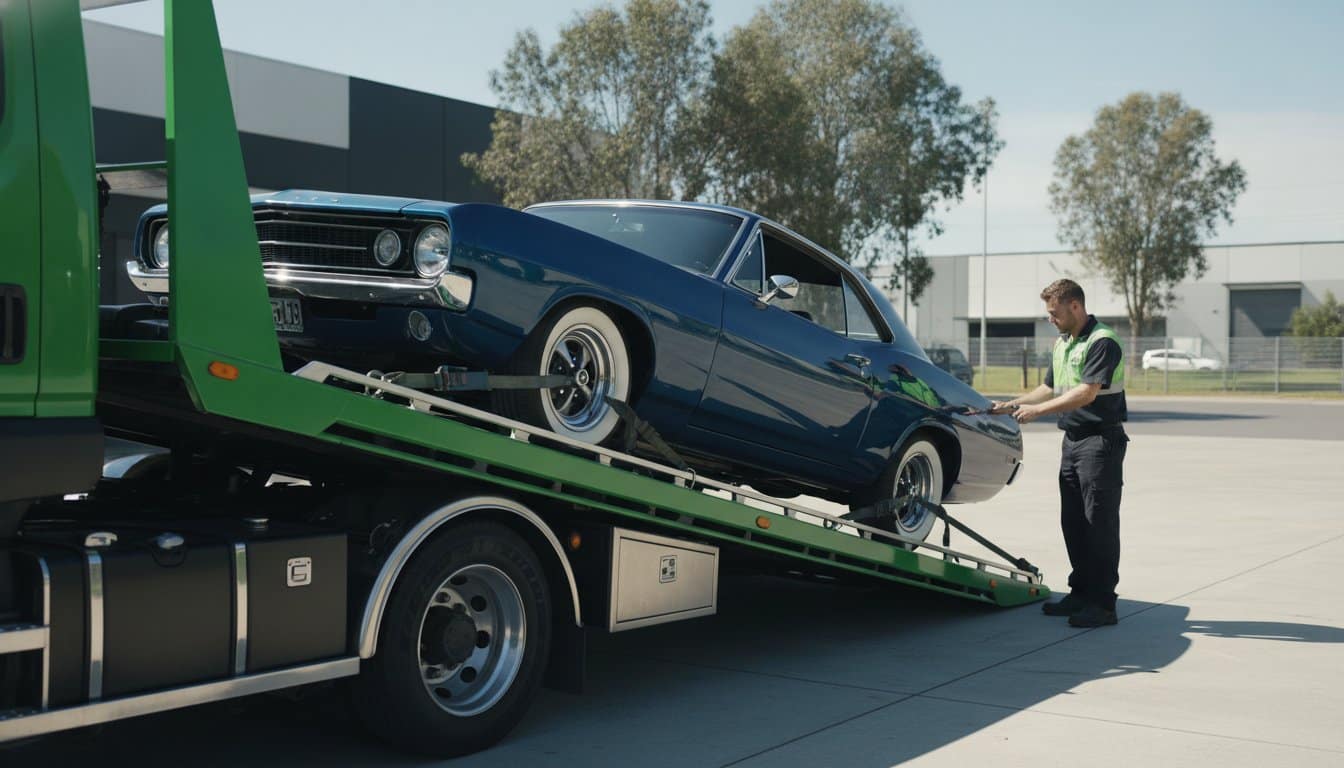
    For moves within South East Queensland, such as from the Gold Coast to Logan, a specialised tilt tray often provides superior safety. The primary benefit is total visibility. A dedicated operator can monitor every millimetre of the car’s progress onto the deck, ensuring that low-clearance bumpers and exhaust systems remain clear of the ramp. Modern tilt trays are engineered with an incredibly shallow loading angle, which is essential for lowered performance cars that might otherwise bottom out on the steep ramps of a multi-car carrier.

    Point-to-point delivery on a single-car carrier also means your vehicle isn’t being moved or re-shuffled to accommodate other customers’ cars during transit. This direct service provides a level of security that high-volume backloads simply cannot match. If you are planning a local relocation, choosing a prestige car transport specialist ensures your vehicle receives individualised attention from start to finish. This approach guarantees that the handler remains focused on your vehicle’s safety without the distractions of a crowded multi-car trailer.

    Preparing Your Investment: A Pre-Transport Checklist

    Preparation is a discipline that begins long before the tilt tray arrives. While a professional handler provides the specialised equipment, the owner establishes the baseline for a secure transit. A meticulous pre-transport mechanical inspection isn’t just about ensuring the car rolls; it’s about identifying potential fluid leaks that could compromise the deck surface or electrical issues that might pose a risk during movement. This phase is fundamental to understanding how to transport a classic car safely and ensures the handler can execute their role with precision.

    Cleaning and Photographic Documentation

    A clean vehicle is a prerequisite for a professional condition report. Dust and road grime can easily mask existing paint chips or hairline cracks in the chrome, leading to unnecessary disputes later. Before the carrier arrives at your premises, wash the car thoroughly and dry it to reveal the true state of the finish. Take high-resolution photographs in bright, natural light, focusing on vulnerable areas like the undercarriage, door sills, and brightwork.

    These images serve as your primary evidence for an insurance claim if required. Both the owner and the driver should sign a formal Condition Report upon arrival. This document acts as a mutual agreement on the vehicle’s state, de-risking the process for all parties and providing clear evidence of the car’s status before it departs for its destination.

    Mechanical and Interior Preparation

    Securing the mechanical integrity of the vehicle prevents internal damage during transit. Battery isolation is critical for older electrical systems that may have parasitic draws or aging insulation. Disconnecting the battery prevents electrical shorts and ensures the vehicle is ready to start upon delivery. Additionally, check that tyre pressures are at the manufacturer’s recommended levels. Properly inflated tyres ensure the car sits level on the deck and rolls smoothly during the loading process, which is a key part of how to transport a classic car safely.

    Don’t overlook the interior and any loose components. Classic car acquisitions often include boxes of spare parts or original manuals. These items must be secured in the boot or footwell using non-abrasive padding to prevent them from shifting. Removing non-factory accessories, such as heavy magnetic dash plaques or loose GPS units, prevents them from becoming projectiles if the truck encounters a sudden bump on the road. By following this structured checklist, you transition from a state of concern to a state of confidence in the upcoming move.
    How to Transport a Classic Car Safely: The Expert Guardian’s Guide

    Advanced Loading Techniques: Preventing Undercarriage Damage

    The loading process is the most technically demanding phase of any prestige relocation. Precision is paramount when transitioning a vehicle from the tarmac to the truck deck, as this is where the majority of undercarriage damage occurs. Understanding how to transport a classic car safely involves more than just a sturdy ramp; it requires a disciplined “Expert Guardian” methodology that prioritises the vehicle’s structural integrity. In this high-stakes environment, metal-on-metal contact is strictly prohibited. Every point of interaction between the vehicle and the loading equipment must be cushioned or shielded to prevent scuffs to the paintwork or chrome.

    For non-running classic projects, winching must be executed with a slow, controlled cadence. A professional operator uses specialised winching equipment that provides a steady pull, avoiding the sudden surges that can strain aged steering racks or brittle suspension mountings. This methodical approach ensures the vehicle moves as a single unit, respecting the engineering limits of a car that hasn’t seen the road in decades.

    Low-Clearance and Performance Vehicle Handling

    Managing the approach angle is a matter of millimetres. Modern prestige vehicles and lowered classics often feature front lips and aero-components that sit just inches off the ground. To manage this, specialized tilt-tray extensions or race ramps are utilised to elongate the transition, effectively flattening the incline. This prevents the “nose-dive” effect where the front bumper would otherwise strike the ramp.

    The operator must also account for the “break-over” angle, which is the point where the car peaks at the top of the ramp. Without sufficient clearance, a vehicle can “high-centre,” causing significant damage to the exhaust system, fuel lines, or floor pan. By using a tilt tray with a shallow loading angle, the handler ensures the under-tray remains untouched throughout the entire sequence. If you need to move a low-profile vehicle, booking prestige car transport ensures that every technical safeguard is in place to protect these vulnerable components.

    The Science of Non-Abrasive Securing

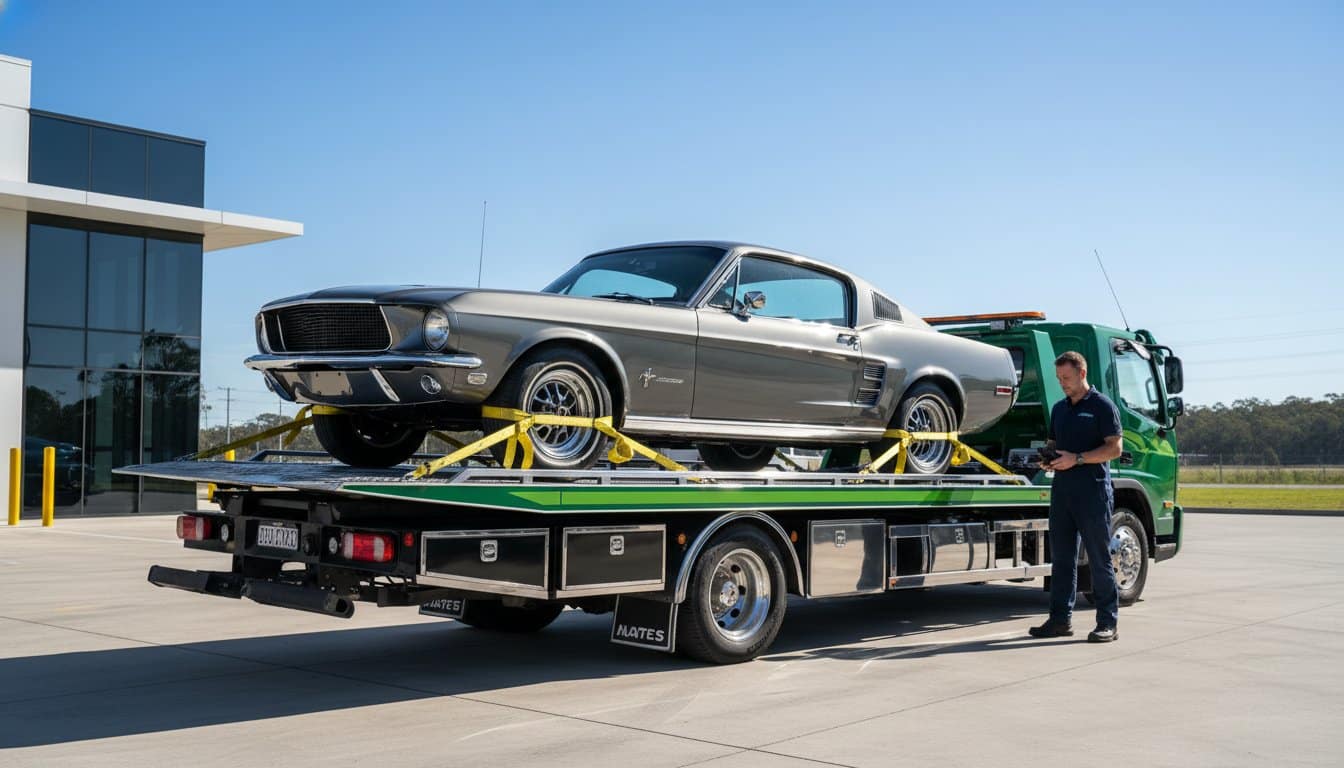
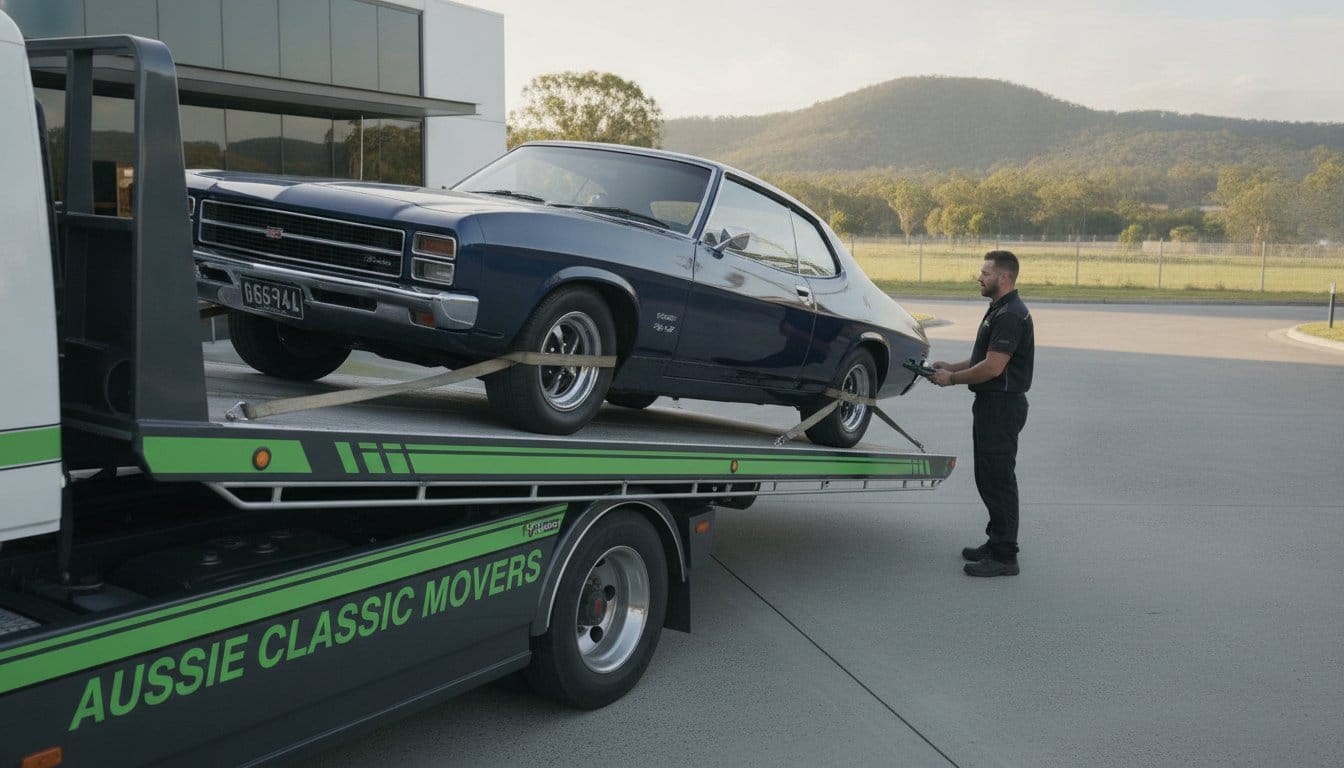
    Once the vehicle is positioned on the deck, the method of securing it is critical to a zero-damage delivery. Traditional chassis-hooking is often too aggressive for vintage frames, as it can pull the car out of alignment or stress aged metal. Instead, “over-the-tyre” strapping is the gold standard. This technique involves soft-tie straps that loop over the rubber, allowing the car’s own suspension to work naturally without putting any strain on the chassis or bodywork.

    Selecting the correct tension is equally vital. Over-tightening can cause suspension “pogoing,” where the car bounces rhythmically against the straps during transit, leading to internal shock absorber wear. Conversely, insufficient tension allows the car to shift. A professional handler conducts regular checks and re-tensioning protocols, especially during long-distance moves, to ensure the vehicle remains perfectly stationary. This level of meticulous care is what distinguishes a specialist from a generalist carrier.

    Professional Transport in SE QLD: Why Expertise Matters

    The geography of South East Queensland presents unique challenges for high-value vehicle logistics. Choosing a local Stapylton-based specialist provides an immediate advantage over national, depot-focused carriers. A driver with intimate knowledge of the M1 corridor and regional road surfaces understands where the bottlenecks occur and which routes offer the smoothest transit for a delicate suspension system. This localised expertise is a fundamental component of how to transport a classic car safely, as it allows for proactive route planning that avoids high-vibration environments or heavy congestion.

    As a family-owned Australian business established in 2017, Done Wright Towing & Transport operates with a high-touch, personalised service model. Unlike generalist companies that treat every load as a generic unit, we function as the “Expert Guardian” for Gold Coast collectors and enthusiasts. This means your vehicle isn’t just another task; it’s a prized possession that receives individualised attention. The direct, point-to-point nature of our service eliminates the risks associated with multi-car depots, where vehicles are frequently moved and re-shuffled by different handlers.

    Serving Stapylton, Logan, and the North Gold Coast

    Our operational hub in Stapylton allows us to provide rapid, elite-level service across Logan and the northern Gold Coast. We specialise in direct relocations from private collections and are the trusted choice for local auction house pickups. By choosing a Prestige Car Transport Stapylton & Logan specialist, you ensure that the person who loads your car is the same person who delivers it. This continuity of care is essential for maintaining the integrity of rare automotive history and provides a level of accountability that large-scale logistics firms simply cannot match.

    Booking Your Classic Car Transport

    To receive an accurate, no-obligation quote, it’s essential to provide specific details regarding your vehicle’s dimensions and mechanical state. We require information on the make, model, and any modifications that affect ground clearance, such as lowered suspension or aftermarket aero-kits. This allows us to prepare the necessary specialised, non-abrasive equipment before we arrive at your location.

    While local transfers can often be organised with precision timing, interstate backloads require a slightly different logistical approach. Regardless of the distance, our commitment to perfection remains the same. The “Done Wright” signature is our verbal and operational promise that your vehicle will arrive in the exact condition it was collected. We understand the discipline required to move high-value assets, and we execute every relocation with the methodical care your investment deserves. When you’re ready to move your classic, choosing a handler who respects the engineering and craftsmanship of your car is the only way to ensure total peace of mind.

    Securing Your Automotive Legacy with Expert Care

    Moving a piece of history requires a disciplined methodology and a deep respect for engineering craftsmanship. You’ve learned that the secret to how to transport a classic car safely lies in the combination of technical precision, specialised tilt-tray technology, and thorough pre-transport preparation. From the science of non-abrasive soft straps to the importance of detailed condition reports; every step in the process is designed to eliminate risk and ensure a zero-damage delivery.

    By choosing a handler who prioritises your investment over high-volume logistics, you gain the peace of mind that comes with professional guardianship. Done Wright Towing & Transport remains committed to providing this elite level of service. We utilise specialised non-abrasive equipment on every job and remain fully insured for prestige and high-value assets. Operating from our Stapylton hub, we proudly serve Logan and the Gold Coast with the precision your car deserves.

    Get a Professional Quote for Your Classic Car Transport Today and experience the difference that expert care makes for your prized possession. Your classic is ready for its next chapter; we’re here to ensure it arrives exactly as it should.

    Frequently Asked Questions

    Is my classic car insured during transport with Done Wright?

    Yes, your vehicle is protected under our comprehensive insurance policy specifically designed for high-value assets. We understand that standard transit coverage often fails to meet the true worth of a restored collectible. Therefore, we maintain full licensing and insurance to provide an added layer of security for every prestige move. This coverage is a core part of our commitment to safety and provides the financial reassurance required when moving irreplaceable automotive history.

    Can you transport a classic car that does not run or steer?

    We can certainly transport non-running or non-steering classic projects using our specialised winching equipment. Our operators employ a slow, controlled winching technique to ensure the vehicle is loaded without putting undue strain on aged mechanical components. This method is ideal for restoration projects or barn finds that require a delicate touch. We treat these stationary vehicles with the same “Expert Guardian” level of care as a fully functional concours showpiece.

    Will my low-clearance car be damaged during the loading process?

    Your low-clearance car is protected by our specialised tilt-tray trucks, which are engineered with incredibly shallow loading angles. These vehicles are designed specifically to prevent front-lip, exhaust, or under-tray damage during the loading sequence. By extending the transition from the road to the deck, we eliminate the risk of scraping or high-centring. This technical precision is essential for anyone researching how to transport a classic car safely without compromising the chassis.

    Do I need to be present for the pickup and delivery of my vehicle?

    While it is highly recommended that you or a trusted representative be present, we can accommodate various logistical arrangements. Presence is vital for the joint inspection and signing of the Condition Report, which serves as a formal record of the vehicle’s state before transit. If you cannot attend, we require a designated agent to sign off on the loading and delivery to ensure a seamless and documented handover for insurance purposes.

    How much notice is required to book a prestige car transport service?

    We generally recommend booking at least one to two weeks in advance to secure your preferred transit window. While we strive to accommodate urgent requests, prestige car transport involves meticulous planning and the allocation of specialised, non-abrasive equipment. Providing ample notice allows us to coordinate the most efficient route and ensures our “Expert Guardian” handlers are available to oversee your vehicle’s relocation with the focused attention it requires.

    What is the difference between a backload and a dedicated transport service?

    A dedicated service provides direct, point-to-point delivery for a single vehicle, while a backload utilises available space on a truck already returning from a delivery. Dedicated transport offers the highest level of security and timing control. In contrast, backloads are a more cost-effective option for long-distance moves where the timeline is flexible. Both methods adhere to our strict safety protocols, ensuring your vehicle remains stationary and secure throughout the journey.

    Are your drivers specifically trained in handling classic and luxury vehicles?

    Every driver at Done Wright is specifically trained in the nuances of prestige and classic car handling. This training focuses on the use of non-abrasive soft straps and low-angle loading techniques to prevent scuffs or mechanical strain. Our team understands the emotional and financial value of your investment. They operate with a disciplined, detail-oriented mindset that distinguishes a specialist guardian from a generalist towing service provider.

    Do you provide car transport services for auction houses like Lloyds or Shannons?

    We frequently provide specialised transport services for vehicles purchased or sold through major auction houses such as Lloyds and Shannons. Our team is familiar with the specific collection protocols and documentation required at these facilities. Whether you have acquired a new investment or are sending a vehicle to the auction block, we ensure the transition is handled with the same meticulous care and precision that defines our local SE QLD operations.
  • Classic Car Transport Quote: Secure Your Pride and Joy in 2026

    Classic Car Transport Quote: Secure Your Pride and Joy in 2026

    Would you trust a standard recovery truck to handle a rare investment that took you years to source and restore, especially when obtaining a classic car transport quote involves far more than just comparing bottom-line figures? For most enthusiasts, the thought of abrasive straps rubbing against pristine paintwork or a low-slung chassis scraping on a steep ramp is enough to cause genuine anxiety. You understand that your vehicle isn’t just a transport task; it’s a prized possession that requires a disciplined, expert guardian approach rather than a generic logistics solution.

    This guide will help you secure an accurate, fixed-price quote while ensuring your high-value asset receives the specialised care it demands. We’ll explore the technical safeguards that define premium transport in 2026, from non-abrasive soft-tie equipment to the peace of mind offered by a fully insured, local operator who treats your pride and joy with the respect it deserves.

    Key Takeaways

    • Understand why standard towing services pose a risk to vintage suspensions and how specialised equipment provides the necessary protection for high-value assets.
    • Identify the critical variables, including vehicle dimensions and regional backload availability, that influence your classic car transport quote for a transparent, fixed-price result.
    • Compare the security of one-on-one tilt tray transport against high-volume carriers to eliminate the threat of stone chips and fluid leaks from overhead vehicles.
    • Master a comprehensive preparation checklist and documentation process to ensure your vehicle is ready for a seamless and disciplined relocation.
    • Discover the benefits of partnering with a local Stapylton-based specialist with deep roots in the South East Queensland motoring community for precision handling.

    Why Your Classic Car Needs a Specialised Transport Quote

    Moving a vintage Holden or a rare European import requires a level of discipline that standard recovery operators simply don’t provide. Most breakdown services focus on speed and clearing thoroughfares as quickly as possible. In contrast, a specialised classic car transport quote reflects a methodical, planned operation designed to preserve the vehicle’s integrity. The financial and emotional stakes are far too high to risk using abrasive straps or high-tension chains that can bite into delicate lacquer or original chrome work.

    Our “Expert Guardian” philosophy dictates that every vehicle is treated as a prized possession rather than just another task on a manifest. Generic towing equipment often lacks the necessary damage-prevention technology required for older engineering. Vintage suspensions are particularly sensitive to the jarring movements of high-volume loaders, and low-slung bodies require specific ramp angles to prevent catastrophic undercarriage damage during the loading phase.

    The Difference Between Towing and Transport

    Transport is a proactive service, whereas towing is almost always reactive. For owners of rare assets, prestige car transport ensures that the vehicle is loaded using non-abrasive soft-ties and specialised tilt trays designed specifically for low-clearance models. Whether you are considering open or enclosed carriers, the focus remains on isolation from road debris and structural stress. Every legitimate classic car transport quote also accounts for comprehensive insurance coverage tailored to the current market valuation of your vehicle, ensuring you aren’t left vulnerable by generic liability limits that fail to cover the true replacement cost of a rare classic.

    Protecting Your Investment in SE QLD

    Relocating a vehicle through Logan or down to the Gold Coast presents unique environmental challenges. The intense coastal humidity and salt air in South East Queensland require swift, clean transit to maintain the vehicle’s showroom condition. Being based in the Stapylton hub allows for precise logistical timing and deep local knowledge of the arterial roads that are best avoided during peak traffic periods. A licensed operator who understands Australian car culture recognises that these vehicles are often the result of decades of dedication. This local expertise ensures your asset is moved efficiently without being exposed to unnecessary road hazards or the harsh tropical elements that can compromise a sensitive finish.

    Key Factors That Determine Your Classic Car Transport Costs

    Every classic car transport quote is a bespoke calculation based on the physical requirements of the asset and the logistical path it must travel. It isn’t merely about the kilometres on the odometer. A disciplined operator evaluates the specific risks and equipment needed to ensure a damage-free arrival. Several variables influence the final figure, ranging from the vehicle’s dimensions to the urgency of the relocation.

    Distance and Regional Logistics

    Local transport within South East Queensland, such as moving a vehicle between Stapylton, Brisbane, and the Gold Coast, is typically calculated based on a base rate plus a per-kilometre fee. For longer journeys, interstate backloads offer a more cost-effective alternative by utilising available space on returning carriers. While this might require more flexibility with timing, it maintains the same high standard of care. Door-to-door service remains the preferred choice for collectors because it eliminates the risk of vehicles sitting in unsupervised depots or being handled by multiple third-party contractors.

    Vehicle Specifics: Low Clearance and Modifications

    The physical profile of your car significantly impacts the final cost. Performance vehicles or modified classics with custom body kits and low-hanging splitters require specialised tilt trays with shallow approach angles. Standard ramps are often too steep, risking expensive damage to the front valance or undercarriage. When you provide details for your classic car transport quote, specifying if the vehicle is a non-runner or a rolling shell is crucial. Winching a non-operational vehicle onto a tray requires additional time and technical expertise to avoid putting undue stress on older chassis components.

    Safety should never be compromised for a lower price. It is always wise to verify a carrier’s registration and insurance details before committing your asset to their care. This due diligence ensures you are dealing with a legitimate operator rather than a broker who might outsource the task to an unvetted generalist.

    The use of specialised equipment, such as non-abrasive soft straps, is another factor that distinguishes a premium service from a budget tow. These straps secure the vehicle via the tyres or wheels rather than the chassis, preventing any metal-on-metal contact that could mar a perfect finish. To see how these meticulous standards apply to your specific vehicle, you can enquire with our Stapylton-based team for a transparent breakdown of the service. Scheduled relocations are almost always more economical than urgent requests, so planning your move two to three weeks in advance is highly recommended.

    Comparing Transport Methods: Tilt Trays vs. Multi-Car Carriers

    When you request a classic car transport quote, the method of transit is often the most significant factor in both the final price and the safety of your vehicle. While high-volume multi-car carriers are common for standard dealership deliveries, they often present unacceptable risks for vintage or prestige assets. A dedicated tilt tray provides one-on-one attention, ensuring your vehicle is the sole focus of the operator’s journey. This individualised approach eliminates the hazards inherent in larger logistics networks, where cars are frequently shuffled between decks to accommodate new pickups along a route.

    One of the primary concerns with multi-car carriers is the “upper deck” risk. Vehicles positioned on lower levels are often exposed to fluid leaks, such as oil, brake fluid, or coolant, from the cars loaded above. For a classic with a sensitive or original finish, this chemical exposure can cause permanent damage. A tilt tray removes this variable entirely, providing a clean, singular platform where your pride and joy is protected from overhead hazards and the debris kicked up by larger trailers.

    The Advantages of Tilt Tray Transport

    A specialised tilt tray utilises a hydraulic deck that can be lowered to a near-flat angle. This is essential for protecting low-profile tyres and delicate front splitters that would otherwise scrape on the steep ramps of a multi-car carrier. Premium towing services prioritise the use of non-abrasive soft-ties that secure the vehicle via the wheels. By adhering to strict FMCSA cargo securement rules, a disciplined operator ensures the asset remains stationary without being subjected to the structural stress common in high-volume transit. Additionally, tilt trays offer superior access to tight residential driveways in Logan and the Gold Coast hinterland where a massive car carrier simply cannot navigate.

    Why High-Volume Carriers May Risk Your Classic

    High-volume carriers often involve multiple loading and unloading cycles as other vehicles are added or removed from the trailer during a long-haul trip. Each movement increases the chance of accidental contact or human error. Open-air multi-decks also expose your investment to road debris and stone chips for hundreds of kilometres. Perhaps most importantly, multi-car transport often lacks a single point of accountability. When you choose a dedicated tilt tray, you have direct communication with the driver who is physically handling your vehicle from the moment it is loaded in Stapylton until it reaches its final destination. This transparency is a core component of a reliable classic car transport quote, providing peace of mind that your investment is never out of expert hands.

    Classic Car Transport Quote: Secure Your Pride and Joy in 2026

    How to Prepare Your Vehicle for a Seamless Relocation

    Preparing your vehicle for transit is a fundamental step in fulfilling the requirements of your classic car transport quote. A disciplined preparation process ensures that the transition from your garage to the tilt tray is executed with surgical precision. This isn’t just about administrative compliance; it’s about establishing a baseline of security for your high-value asset. By following a structured checklist, you de-risk the relocation and provide our specialists with the best possible conditions to perform their guardian duties. Clean the exterior thoroughly beforehand, as this allows for a much more accurate inspection of the paintwork and body panels during the initial assessment.

    Documenting Condition and Valuables

    Take high-resolution photos of the undercarriage and all panels. This visual record serves as your primary safeguard, capturing the exact state of the lacquer and chrome before any handling occurs. You should also document the current odometer reading and any existing minor imperfections to ensure total transparency. When the transport specialist arrives, have all sets of keys and any relevant registration or insurance documentation organised. This methodical handover establishes a clear chain of custody, which is vital for maintaining the integrity of the transit process. It also ensures the driver is fully aware of any unique starting procedures or mechanical quirks your vintage engine might possess.

    Mechanical and Exterior Readiness

    Your vehicle needs to be in a state that allows for safe loading without introducing unnecessary hazards. Verified industry standards for 2026 suggest keeping the fuel tank at approximately one-quarter full; this provides enough petrol for necessary manoeuvres while minimising excess weight and potential fire risks. Check that tyre pressures are at the manufacturer’s recommended levels to ensure the car rolls smoothly and sits correctly on the tray. If your classic is a convertible, ensure the soft top or hardtop is securely latched and that all windows are fully closed to prevent wind damage or the ingress of road dust during the journey.

    Remove any loose items from the cabin and boot, including expensive aftermarket accessories, loose change, or GPS units that could shift during transit. These items can become projectiles or cause internal scuffs if the vehicle encounters unexpected road vibrations. Ensuring these details are handled before the driver reaches your property in Logan or the Gold Coast hinterland allows for a seamless execution of your classic car transport quote. Once your vehicle is prepped and documented according to these high standards, you can book your specialised transport to finalise the logistical details of your move and confirm your service window.

    Requesting Your Done Wright Classic Car Transport Quote

    Securing a classic car transport quote shouldn’t be a gamble based on the lowest bidder. It is a definitive commitment to the safety and preservation of your high-value investment. The Done Wright Towing & Transport name is more than just a brand; it functions as our verbal promise of perfection and a commitment to correct execution. As a family-owned Australian business, we understand that these vehicles represent years of dedication and craftsmanship. We don’t view your car as a mere logistics task, but as a prized possession that deserves a disciplined, expert guardian approach from the moment it is loaded at your property.

    Our operational hub in Stapylton serves as the heart of our service, allowing us to maintain deep roots within the South East Queensland motoring community. Being local means we aren’t just a voice on the phone; we’re a licensed and insured partner that understands the specific road conditions and climate challenges of our region. This proximity ensures that our response times are precise and our logistical planning is tailored to the unique requirements of local collectors and enthusiasts who value precision over speed.

    The Done Wright Towing & Transport Difference in SE QLD

    Our specialised equipment has become the benchmark for prestige transport throughout Logan and the Gold Coast. While generic operators might use standard chains or abrasive webbing, we utilise damage-prevention technologies that ensure a touchless, secure journey. Our team possesses the niche expertise required to handle everything from delicate vintage roadsters with wooden frames to modern supercars with complex aerodynamics and low-clearance splitters. This experience allows us to provide a no-nonsense professional service where every movement is methodical and planned. You gain the peace of mind that comes from knowing your asset is handled by a technically proficient specialist who respects the engineering and financial stakes involved.

    Next Steps: Booking Your Move

    Obtaining a fast, accurate classic car transport quote is a straightforward and transparent process. To provide you with a fixed-price figure, we simply require the specific vehicle type, including any modifications like low suspension or oversized tyres, along with the precise pick-up and drop-off points. Once your booking is confirmed, our team will coordinate a scheduled window that fits your requirements, ensuring a seamless transition without the hidden fees often found in generic towing estimates. You’ll receive clear communication throughout the process, leading you from a state of concern for your asset to a state of absolute confidence in our capabilities. Get your specialised classic car transport quote from Done Wright Towing & Transport today.

    Securing Your Motoring Legacy for the Road Ahead

    Your classic car represents a significant investment of both time and emotion, making the choice of transporter a vital decision for its long-term preservation. By focusing on the technical advantages of tilt-tray transit and the security of non-abrasive handling, you ensure your asset avoids the common pitfalls of high-volume logistics. A comprehensive classic car transport quote should be more than a price; it is a guarantee of disciplined care and methodical execution from pickup to delivery.

    Since 2017, our family-owned and operated team has acted as the expert guardian for rare vehicles across Stapylton, Logan, and the Gold Coast. We remain fully licensed and insured, utilising specialised equipment designed specifically for the unique requirements of vintage and prestige engineering. This commitment to quality ensures that every relocation is handled with the precision your pride and joy deserves.

    Request a Professional Classic Car Transport Quote from the specialists at Done Wright Towing & Transport today. We look forward to providing the elite handling and security your vehicle requires for its next journey.

    Frequently Asked Questions

    How much does it cost to transport a classic car in Australia?

    Your classic car transport quote is determined by variables such as the total distance, vehicle dimensions, and whether the car is operational. Local transport within South East Queensland is generally calculated on a base rate plus distance; however, interstate relocations may utilise backload rates for better value. Because every high-value asset has unique requirements, we provide bespoke pricing to ensure the equipment and time allocated reflect the necessary standard of care.

    Is my classic car insured during transport with Done Wright?

    Every vehicle we handle is covered by our comprehensive carrier insurance from the moment of pickup until final delivery. We maintain high-level liability coverage specifically designed for prestige and classic assets to provide total peace of mind. While we take every technical precaution to prevent damage, our insured status ensures that your financial investment is protected against unforeseen events during transit across Queensland or interstate.

    Can you transport a classic car that doesn’t start or drive?

    We frequently transport non-operational vehicles, including rolling shells and barn finds that require winching. Our tilt trays are equipped with specialised winching systems designed to load non-runners without putting structural stress on older chassis components. It’s essential to specify the vehicle’s condition when requesting a quote so we can allocate the extra time and technical expertise required for a safe, damage-free loading process.

    What is the safest way to transport a low-clearance performance car?

    The safest method involves using a specialised tilt tray with a hydraulic deck that achieves a shallow approach angle. This prevents low-profile splitters and undercarriages from scraping during the loading phase. We combine this equipment with non-abrasive soft-tie straps that secure the vehicle via the tyres; this ensures no metal-on-metal contact occurs with your wheels or suspension throughout the journey.

    Do you offer interstate transport for classic cars from Queensland?

    We provide interstate transport services from our Stapylton base, specialising in backloads that offer a cost-effective solution for long-distance relocations. Whether you’re moving an asset to New South Wales or Victoria, we maintain the same disciplined “Expert Guardian” approach used for local jobs. This service ensures your vehicle remains on a dedicated tray rather than being shuffled between multiple high-volume carriers during its journey.

    How much notice do I need to give for a classic car transport booking?

    We recommend booking your transport at least two to three weeks in advance to ensure your preferred dates are available. While we do our best to accommodate urgent requests, scheduled relocations allow for more methodical logistical planning and better pricing options. Providing advance notice ensures we can allocate the specific equipment and specialist driver best suited to the unique requirements of your vintage or prestige vehicle.

    What equipment do you use to ensure my car isn’t scratched?

    We utilise specialised, non-abrasive soft-tie straps that wrap around the tyres or wheels rather than the chassis or bodywork. This method eliminates the risk of metal chains or abrasive webbing marring your paintwork or chrome finish. Our tilt trays also feature smooth, clean decks and precision hydraulic controls, ensuring the vehicle remains isolated from vibrations and potential surface damage throughout the entire relocation process.

    Can you pick up a car from an auto auction like Lloyd’s or Seven-82 Motors?

    We regularly perform pickups and deliveries for major automotive auctions, including Lloyd’s and Seven-82 Motors. Our team is familiar with the specific security protocols and documentation requirements at these local hubs, ensuring a seamless handover. If you’ve secured a new investment, we can coordinate the collection directly with the auction house to ensure your purchase is moved safely to your garage or workshop.

  • Best Classic Car Transport Australia: The 2026 Collector’s Guide to Safe Relocation

    Best Classic Car Transport Australia: The 2026 Collector’s Guide to Safe Relocation

    Would you trust a general logistics firm using abrasive chains and standard flatbeds to move a piece of automotive history that took you years to source? Finding the best classic car transport Australia offers requires looking beyond the lowest quote to find a partner who understands the engineering behind your investment. Most collectors live with a constant, nagging anxiety that a single “tow truck cowboy” could ruin a pristine undercarriage or leave stone chips across a custom paint job during transit. It’s a valid concern when you’ve spent countless hours and significant capital restoring a vehicle to its former glory.

    This guide reveals exactly how to identify premium transport services that treat your vehicle as a prized asset rather than just another load on a manifest. You’ll learn what specific non-abrasive equipment to look for and how to ensure your provider maintains clear communication throughout the journey. We’ll also examine the technical safeguards necessary to protect low-clearance performance cars and high-value vintage builds. By focusing on expert guardianship and meticulous handling, you can ensure your pride and joy arrives in the same flawless condition it left in.

    Key Takeaways

    • Learn how to distinguish between high-volume logistics firms and the meticulous “Expert Guardian” approach required for rare automotive investments.
    • Understand why specialised equipment, including modern tilt trays and non-abrasive soft-tie downs, is essential for damage-free handling of paint and brightwork.
    • Discover how to leverage strategic interstate backloads and direct transport routes to secure the best classic car transport Australia provides without compromising on safety.
    • Master the essential steps for vehicle preparation, from mechanical checks to documenting comprehensive condition reports before loading.
    • Identify the hallmarks of a premium service provider that values precision and craftsmanship as much as you do.

    What Defines the Best Classic Car Transport in Australia?

    Securing the best classic car transport Australia has to offer is not about finding the quickest pickup or the cheapest rate. It’s about identifying a provider that views your vehicle as a historical artefact and a significant financial investment. Classic car transport is a bespoke logistics service specifically designed for the secure relocation of vintage, prestige, and performance vehicles. While standard breakdown towing focuses on utility and recovery, specialist transport operates with an “Expert Guardian” mindset. This philosophy ensures that every movement is planned and every strap is checked to preserve the car’s current state as the primary objective of the mission.

    Specialist vs. Generalist: Why the Distinction Matters

    General freight carriers often treat vehicles as generic units of cargo. For a classic car owner, this approach is fraught with risk. Specialist transporters invest in specialised equipment for damage-free handling, such as low-angle tilt trays that accommodate the sensitive ground clearance of performance builds. While a standard tow truck might utilize a steep incline, a prestige carrier uses refined ramp angles to prevent undercarriage scraping. Owner-operator businesses provide a higher level of accountability in this niche. The person you speak to on the phone is often the one personally securing your vehicle, ensuring that delicate bodywork and rare brightwork remain untouched by rough hands or industrial grime.

    The Role of Comprehensive Insurance and Licensing

    Reliability is built on transparency. In Australia, a reputable transporter must hold specific heavy vehicle licences and comprehensive transit insurance. However, the term “fully insured” is often used loosely by generalists. For a vehicle valued at $200,000 or more, you need to verify that the policy specifically covers prestige assets during transit. Always request a Certificate of Currency before confirming a booking to ensure the coverage is active and the limits are appropriate. Australian standards for vehicle relocation require strict adherence to load-restraint guides. A specialist goes beyond the legal minimum by using soft-tie downs and over-tyre straps that never contact the paintwork or chassis directly. This methodical approach de-risks the relocation process and provides the peace of mind that collectors require.

    Technical Standards: Specialised Equipment for Damage-Free Handling

    The mechanical integrity of a vintage vehicle is only as safe as the hardware used to move it. To provide the best classic car transport Australia enthusiasts expect, a provider must utilise hardware that exceeds standard recovery gear. While many generalists rely on basic utility trailers, true specialists invest in technology that respects the delicate nature of aged metals and custom finishes. Adhering to national safety and vehicle standards is a baseline, but prestige transport requires a higher technical threshold to ensure a flawless arrival.

    Tilt Tray Technology: Precision Loading and Unloading

    Modern tilt tray technology has evolved from simple recovery tools into precision instruments for vehicle relocation. These systems use sophisticated hydraulics to achieve a near-zero degree loading angle. This capability is vital for performance cars with front splitters, low-hanging exhausts, or modified suspension systems that would otherwise scrape on a standard ramp. The loading process itself is handled with extreme care. For many vintage vehicles, winching is preferred over driving. This methodical approach prevents unnecessary stress on aged clutches and gearboxes that may not be designed for the repetitive incline starts often required during loading. Once on the tray, the hydraulic bed remains locked and level, providing a smooth, vibration-free journey that protects sensitive mechanical components from road-induced shock.

    Non-Abrasive Securing Methods

    The method used to secure a car is just as important as the vehicle carrying it. Abrasive metal chains are a significant risk factor in high-end transport because they create metal-on-metal contact that can shear through original paint or compromise the structural integrity of a rare chassis. Instead, the “Expert Guardian” uses polyester soft-straps. These non-abrasive tie-downs are designed to wrap securely around the tyres rather than the frame or suspension arms.

    The industry gold standard is an eight-point tie-down system. By securing each wheel at two distinct points, the transporter ensures the vehicle cannot “walk” or shift during transit, even during sudden braking or sharp turns. This setup allows the car’s own suspension to work naturally without being compressed or strained by overtightened traditional straps. Maintaining clean equipment is also a priority; a gritty or oil-soaked strap can act like sandpaper on a chrome bumper or alloy wheel. When your vehicle represents years of restoration work, the equipment choice isn’t just a detail. It’s the difference between a pristine delivery and a costly repair. For those seeking this level of meticulous handling, choosing a specialist like Done Wright Towing & Transport ensures your asset is secured with the latest non-abrasive technology.

    Best Classic Car Transport Australia: The 2026 Collector’s Guide to Safe Relocation

    Strategic Logistics: Interstate Backloads and Dedicated Routes

    Efficient relocation of a high-value vehicle requires more than just a capable truck. It demands a sophisticated logistical strategy that balances cost-efficiency with uncompromising safety. For collectors moving vehicles along the Brisbane-Sydney-Melbourne corridor, the logistical framework often dictates the final condition of the car. The best classic car transport Australia offers prioritises “Direct Transport” models, which significantly reduce the number of times a vehicle is handled. Unlike large-scale freight companies that move cars between multiple depots and various drivers, a specialist approach ensures your asset remains on a single dedicated tray for the duration of the journey.

    Regional expertise is particularly vital when navigating the specific challenges of the South East Queensland and Northern NSW border routes. Moving a low-clearance vehicle through local hubs like Stapylton, Logan, or the Gold Coast requires intimate knowledge of road conditions and site access. Strategically planned interstate backloads allow collectors to access premium tilt tray services at a reduced rate by utilising efficient return journeys that would otherwise be empty. This model provides the elite handling of a specialist without the premium price tag of a dedicated one-way charter.

    The Advantage of Interstate Backloads for Collectors

    Backloading is often misunderstood as a “budget” service, but when managed by an Expert Guardian, it’s a mark of logistical precision. By matching your relocation timeline with professional transport runs already scheduled, you benefit from a service that’s both environmentally and financially responsible. Safety isn’t compromised because the equipment and securing methods remain identical to a standard booking. The key is scheduling flexibility. While a general carrier might rush the process, a prestige specialist ensures the vehicle is loaded only when the conditions are perfect, maintaining the same disciplined standards of care throughout the interstate transit.

    Door-to-Door vs. Depot-to-Depot

    The “Last Mile” of any transport journey is frequently the most dangerous for a classic car. Many national providers use a depot-to-depot model, requiring you to drive your car to a dusty industrial centre or, worse, having it moved by a secondary, less-qualified subcontractor for the final leg. This increases the risk of stone chips, undercarriage scrapes, and unauthorised driving. A premium kerb-to-kerb service eliminates these variables. Before arrival, a professional transporter will assess site access for their large equipment, ensuring the loading zone is level and secure. This meticulous attention to detail is why local collectors in the Gold Coast and Logan regions prefer direct, owner-operator services that manage the entire process from your driveway to the final destination.

    Preparation Guide: Organising Your Vehicle for a Flawless Journey

    Preparation is the final safeguard in the relocation process. While the transporter provides the technical expertise and specialised equipment discussed earlier, the owner’s role in readying the asset is what ensures a truly seamless handover. Achieving the best classic car transport Australia provides is a collaborative effort between the collector and the specialist. By following a structured preparation protocol, you de-risk the transit and provide the driver with the vital information needed to maintain your vehicle’s pristine condition from the moment it is winched onto the tray.

    A meticulous approach to documentation and mechanical readiness acts as a blueprint for the journey ahead. This process isn’t just about ticking boxes; it’s about providing clear, actionable data to your “Expert Guardian.” When a driver understands the specific nuances of your vehicle, they can adjust their handling techniques to suit. This level of detail is particularly important for rare builds where replacement parts are either non-existent or require lengthy international sourcing.

    The Pre-Transport Condition Report

    The foundation of a safe relocation is a comprehensive condition report. Before the transport vehicle arrives, ensure your car is thoroughly cleaned. A clean car is essential because dust and road grime can easily mask minor scratches or paint imperfections during the pre-load inspection. Once the car is spotless, take high-resolution photos of the bodywork, glass, and wheels from multiple angles in good lighting.

    Be sure to document any existing mechanical quirks or minor leaks. If your vintage gearbox requires a specific sequence to engage neutral, or if the handbrake is temperamental, leave a clear note for the driver. Identifying these traits early prevents confusion and ensures the loading process remains controlled and professional. This transparent communication builds a bridge of trust between you and the transport team.

    Mechanical and Interior Readiness

    Securing the interior is a step often overlooked by generalist carriers. For classic cars, loose trim pieces, spare parts in the boot, or even aftermarket dash cams can become projectiles during transit if not properly secured or removed. Ensure that all non-permanent accessories, including roof racks or magnetic badges, are taken off the vehicle. Tyres should be inflated to their correct pressure; this provides a stable footprint for the winching process and ensures the soft-tie down straps can maintain a firm, non-abrasive grip on the rubber.

    Fuel levels are another critical factor. Maintaining a “quarter-tank” of fuel is the industry standard for interstate transit. This level is sufficient for loading and unloading while significantly reducing the overall weight and minimising the risk of fuel vapour buildup during long-haul journeys. Finally, check that the battery is secure and the fluids are at appropriate levels to prevent any corrosive spills on your own chassis or the transport equipment. If you are ready to begin your relocation with a provider that values this level of detail, contact Done Wright Towing & Transport to discuss your specific preparation needs.

    Done Wright Towing & Transport: Your Expert Guardian for Prestige Car Transport

    Choosing a transporter is an exercise in trust. Done Wright Towing & Transport operates as a family-owned and operated business from our central hub in Stapylton, bringing a level of personal accountability that larger corporations simply can’t match. We’ve built our reputation on the “Done Wright” promise, which ensures that every relocation is executed with precision and safety the first time, every time. By maintaining a disciplined, detail-oriented approach, we act as the Expert Guardian for your vehicle, acknowledging both the financial and emotional stakes involved in moving a prized investment. This commitment to elite handling is why we are consistently recognised as providing the best classic car transport Australia collectors can rely on.

    Our team specialises in prestige car transport across the South East Queensland region. We possess the niche expertise required to handle a diverse range of high-value assets, from the heavy, raw power of classic Australian muscle cars to the delicate requirements of modern European supercars. We understand that these vehicles aren’t just loads; they are pieces of engineering craftsmanship that require a steady, methodical pace during every stage of the transit process. Moving beyond simple haulage, we provide a service-oriented atmosphere that prioritises the security of your asset above all else.

    The Local Advantage in Stapylton and Logan

    Our deep knowledge of the Gold Coast and Brisbane transport corridors provides a significant advantage for local collectors. Operating out of Stapylton and serving the Logan area since 2017, we understand the specific road conditions and logistical challenges unique to our region. When you choose our services, you won’t deal with a disconnected call centre. Instead, you speak directly to the experts who will be personally managing the relocation of your car. This personalised service is essential for coordinating auction pickups at local hubs or managing the sensitive “last mile” delivery to your private residence. We offer a rapid, reliable response for local prestige relocations, ensuring your vehicle spends the minimum amount of time in transit.

    Commitment to Excellence and Safety

    Safety is the non-negotiable foundation of our operations. We have invested heavily in specialised, non-abrasive transport equipment to ensure that your vehicle’s finish remains untouched by the elements or the securing gear itself. Our operations are fully licensed and insured, providing total peace of mind for assets valued well into the hundreds of thousands of dollars. We believe that true professional guardianship requires a blend of technical proficiency and a deep respect for the vehicles we carry. Every strap is checked twice, and every loading angle is calculated to prevent even the slightest undercarriage contact. If you are seeking a partner who values your car as much as you do, we invite you to Enquire about your classic car transport today and discover the difference that meticulous care makes.

    Secure Your Automotive Legacy with Expert Guardianship

    Securing the safe relocation of a rare vehicle requires a partner who respects the engineering and history of your investment. As we’ve explored, the best classic car transport Australia collectors can access depends on three vital pillars: specialised non-abrasive equipment, strategic logistical planning, and the accountability of a dedicated owner-operator. By prioritising low-angle tilt trays and soft-tie down systems over generic freight methods, you ensure that your vehicle’s paintwork and undercarriage remain in showroom condition throughout the journey.

    Done Wright Towing has been family-owned and operated since 2017, providing a disciplined approach to vehicle relocation that generalists simply cannot replicate. We are fully licensed and insured for high-value assets, ensuring that your pride and joy is protected by comprehensive safeguards from pickup to delivery. Whether you are moving a vintage muscle car or a modern supercar, our team treats every task as a commitment to preserve your automotive legacy. We invite you to Get a Quote for Professional Classic Car Transport today. Your vehicle deserves a journey handled with precision, care, and the highest standards of safety.

    Frequently Asked Questions

    Is enclosed transport always necessary for classic cars?

    Enclosed transport is not always mandatory, though it offers the highest level of protection against environmental elements. For many regional moves or auction pickups, an open tilt tray managed by a specialist is a highly effective alternative. This method allows for constant visual monitoring and utilises the same non-abrasive securing technology as enclosed units, making it a reliable choice for vehicles that don’t require total isolation from the weather.

    How much does it cost to transport a classic car interstate in Australia?

    Pricing for prestige relocation depends on the total distance, the vehicle’s dimensions, and the specific equipment required for safe handling. Because classic vehicles often require specialised loading angles and higher insurance coverage, costs differ from standard car moving services. We suggest obtaining a personalised quote that accounts for the “Expert Guardian” level of care your investment requires rather than relying on generic industry averages.

    Can I move personal items inside my car during transport?

    We recommend removing all personal belongings and loose items before your vehicle is loaded. Objects left inside the cabin or boot can shift during transit, which poses a risk to delicate interior trim and original upholstery. Transit insurance policies are designed to cover the vehicle itself; they typically do not extend to personal effects, so transporting valuables separately is the safest protocol for collectors.

    What is an interstate backload and is it safe for my classic car?

    An interstate backload is a logistical strategy that uses a transport truck’s empty return journey to move your vehicle. When you book the best classic car transport Australia provides, backloading is completely safe because the specialist uses the same professional-grade soft-straps and tilt tray equipment as a primary booking. This approach offers a more efficient way to access elite-level handling for long-distance relocations.

    How long does it take to transport a car from Melbourne to the Gold Coast?

    Transit times for this corridor generally range from three to seven business days. The exact duration depends on the specific route and the scheduled stops required for a safe, methodical journey. A prestige transporter avoids rushing the process, instead focusing on a steady pace that ensures your vehicle is never subjected to unnecessary road stress or hurried loading procedures that could compromise its condition.

    What happens if my classic car is not in running condition?

    Non-running classic cars can be safely relocated as long as they can roll and steer. Specialists use heavy-duty winching equipment to carefully pull the vehicle onto the tilt tray without needing to engage the engine or clutch. It’s vital to disclose the car’s mechanical status during the booking process so the driver can arrive with the correct recovery gear for a controlled, damage-free loading sequence.

    Does classic car transport insurance cover the full value of my vehicle?

    Comprehensive transit insurance is designed to protect the specific market value of your high-end asset during the journey. You should always request to see a Certificate of Currency to confirm that the coverage limits are appropriate for a rare or vintage build. Professional transporters maintain high-tier policies that acknowledge the significant financial stakes involved, providing the reassurance that your investment is protected against unforeseen incidents.

    How do I prepare my performance car for low-clearance transport?

    Preparation for low-clearance vehicles involves inflating tyres to their maximum recommended pressure and securing any aftermarket splitters or spoilers. Ensure the fuel level is at approximately a quarter-tank and that the battery is firmly clamped. Providing the driver with specific instructions regarding ground clearance ensures they can utilise their specialised ramps and hydraulic tray adjustments to prevent any undercarriage contact during the process.

  • Classic Car Transport Brisbane: Professional Care for Your Pride and Joy in 2026

    Classic Car Transport Brisbane: Professional Care for Your Pride and Joy in 2026

    Would you trust a general carrier to handle a priceless piece of automotive history with the same abrasive chains they use for a scrap-yard salvage? For many enthusiasts, the thought of a low-clearance masterpiece scraping against a steep metal ramp is enough to keep the garage door locked. When you require classic car transport in Brisbane, you aren’t just looking for a truck; you’re seeking a disciplined custodian who understands the engineering and emotional value of your investment.

    We understand that the anxiety over chassis damage or unprofessional handling is a significant barrier for collectors across South-East Queensland. You deserve the peace of mind that comes from meticulous, security-focused logistics designed specifically for high-value prestige vehicles. This guide explores how to relocate your pride and joy with absolute security and zero risk of damage. We’ll examine the technical safeguards used in 2026, the implications of the Queensland Special Interest Vehicle Concession Scheme for historic cars over 30 years old, and the essential markers of a premium transport partner.

    Key Takeaways

    • Understand why standard towing equipment poses a risk to vintage frames and how specialist custodianship protects your long-term investment.
    • Discover the technical benefits of modern tilt tray technology and ‘zero-touch’ loading methods designed for delicate chrome and low-clearance chassis.
    • Evaluate the best classic car transport Brisbane options by comparing the climate protection of enclosed transit with the efficiency of local dedicated services.
    • Master the essential preparation steps to ensure your high-value vehicle is ready for a seamless professional relocation across South-East Queensland.
    • Learn how a disciplined, detail-oriented approach to logistics provides the ultimate security for prestige cars, machinery, and rare assets.

    Why Specialist Classic Car Transport is Essential for Your Investment

    Relocating a high-value vintage or prestige vehicle requires more than just a flatbed truck and a winch. It demands a premium, low-risk relocation service designed for assets that are often irreplaceable. Professional classic car transport brisbane specialists treat these vehicles as unique engineering achievements rather than mere cargo. This Expert Guardian philosophy ensures that every movement is methodical and every precaution is intentional, moving away from the rugged approach of general logistics toward a sophisticated, service-oriented standard.

    The difference lies in the mindset of the operator. While a standard towie might view a vehicle as a task to be cleared, a specialist understands the emotional and financial stakes involved. They recognise that a classic car is a preserved piece of history. This disciplined approach is essential for enthusiasts who refuse to compromise on the safety of their investment, ensuring the vehicle arrives in the exact condition it left the garage.

    The Risks of Using General Towing Services

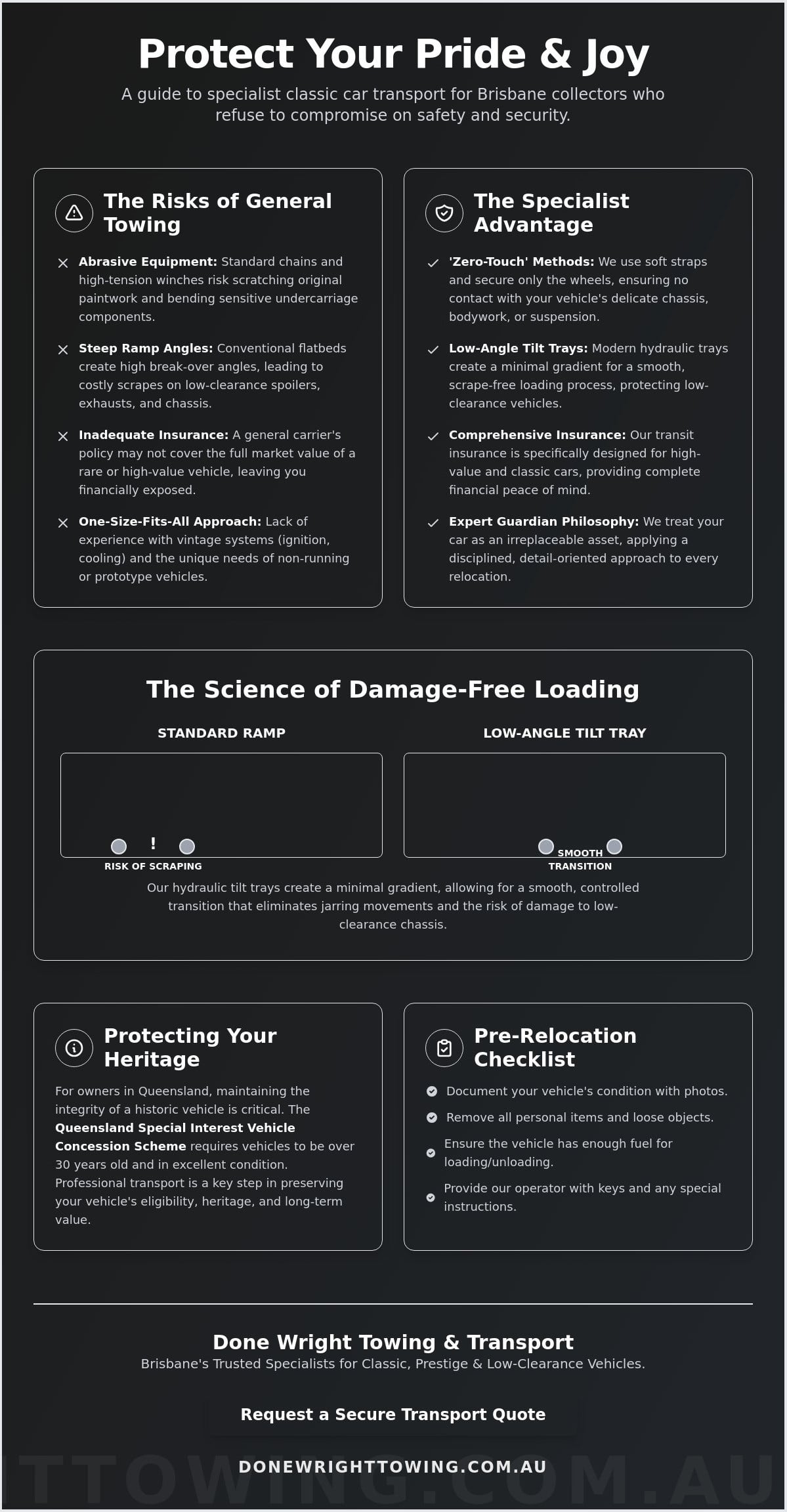
    General towing services typically rely on equipment designed for modern, durable commuter cars or salvage operations. They often use abrasive chains and high-tension winches that can easily mar original paintwork or bend sensitive undercarriage components. Standard operators may lack experience with the quirks of older ignition systems or the fragile nature of vintage cooling setups. There is also the significant matter of insurance. A standard carrier’s policy might not cover the full market value of a rare collector item, leaving you financially exposed. Unlike a generic car carrier trailer designed for high-volume mass-market logistics, specialised transport prioritises individualised, non-abrasive handling methods.

    Protecting Your Vehicle’s Heritage and Value

    Preserving the survivor status or restoration quality of a vehicle is paramount for its long-term appreciation. In 2026, the Queensland Special Interest Vehicle Concession Scheme remains a vital consideration for local owners, requiring historic vehicles to be at least 30 years old to qualify for restricted registration. Maintaining the integrity of such a vehicle during a move is critical to its eligibility and value. Professional classic car transport brisbane providers use specialised licensing and comprehensive transit insurance to de-risk the process. By choosing a partner that respects the craftsmanship of the past, Brisbane collectors ensure their vehicle’s heritage remains untarnished by the rigours of the road. This methodical care is what separates a routine haul from a professional relocation.

    Expert Handling: The Science of Damage-Free Vehicle Relocation

    Achieving a damage-free relocation is a matter of physics and disciplined execution rather than luck. For owners seeking classic car transport brisbane, the technical specifications of the equipment used are just as important as the operator’s experience. High-value assets like vintage muscle cars or European prestige models often feature low-clearance chassis and delicate exterior trim that standard towing setups cannot accommodate without significant risk. Our approach focuses on a ‘zero-touch’ philosophy, ensuring that the only contact points with your vehicle are those designed to bear the load safely and securely.

    Precision is especially critical when moving non-running classics or rare prototypes that cannot be driven onto a tray. These vehicles require millimetre accuracy during the winching process to avoid putting lateral stress on aged steering components. By treating every vehicle as a prized possession, we ensure that the engineering integrity of the car is respected from the moment it is winched to the moment it is unloaded at its destination.

    Low-Angle Tilt Tray Loading Technology

    Modern tilt tray technology has revolutionised the way we handle sensitive vehicles. Traditional ramps often create a steep break-over angle that threatens to scrape front splitters, low-hanging exhausts, or delicate oil pans. By utilising low-gradient hydraulic trays, we maintain a level plane throughout the loading process. This hydraulic precision allows for a smooth, controlled transition that eliminates the jarring movements associated with older equipment. The Australian Historic Motoring Federation emphasises the importance of preserving these mechanical survivors, a goal that is only achievable through such methodical handling and specialised equipment.

    Non-Abrasive Soft-Strap Restraint Systems

    Once the vehicle is positioned on the tray, the method of restraint becomes the primary focus. We exclusively use specialised non-abrasive soft-strap systems that loop through the wheels or over the tyres. This technique avoids any metal-to-metal contact with the chassis, original paintwork, or chrome bumpers. Unlike abrasive chains, which can vibrate and mar original finishes on South-East Queensland’s varied road surfaces, soft-ties provide a secure, cushioned hold. This ensures the car remains stationary without putting undue stress on the steering rack or fragile suspension bushings. For collectors who demand perfection, choosing a partner with prestige car transport expertise is the only way to guarantee a showroom-ready arrival. This methodical tie-down procedure is designed to withstand the heat and unpredictable conditions of a Brisbane summer, keeping your investment stable and protected throughout the journey.

    Classic Car Transport Brisbane: Professional Care for Your Pride and Joy in 2026

    Comparing Transport Solutions in South-East Queensland

    Choosing the right logistics strategy for a high-value vehicle involves balancing protection, timing, and regional geography. Our operational hub in Stapylton serves as a strategic centre for car collectors throughout Logan, Brisbane, and the Gold Coast. This central location allows for a disciplined and methodical response for local relocations, whether you’re moving a vehicle between private collections or preparing for a prestigious local event like Brisbane Cars & Coffee. Understanding the specific traffic patterns of the M1 and the Gateway Motorway is essential for maintaining the punctual, secure service that defines professional classic car transport brisbane.

    The methodical nature of our operations ensures that every journey is planned to avoid high-risk road conditions. We treat every vehicle as a prized possession, regardless of whether it is travelling five kilometres or five hundred. This level of detail-oriented planning provides the elite handling that enthusiasts and collectors expect when moving their investments through the busy South-East Queensland corridor.

    Local Relocation vs. Interstate Backloads

    For collectors requiring immediate transport across the metropolitan area, a dedicated local service is the most reliable option. This ensures your vehicle is the primary focus of the operator, with no intermediate stops or reloading. If you’ve recently acquired a vehicle from Sydney or Melbourne, Interstate Backloads provide a cost-effective alternative. These services utilise professional capacity on return journeys, offering a high-standard solution for long-distance needs. It’s a practical way to access premium handling at a more accessible price point for interstate acquisitions.

    Open vs. Enclosed Transport for QLD Conditions

    Brisbane’s climate requires specific considerations during transit, particularly regarding high UV exposure and the volatility of the summer storm season. While enclosed transport offers the highest level of shielding, our premium open tilt trays provide excellent protection for most classic car transport brisbane requirements. The risk of road debris on major arterial roads like the M1 is mitigated by the elevated position of the vehicle on the tray and our methodical securing processes. For vehicles with original ‘survivor’ paintwork or those with sensitive interior materials, we assess the environmental risks to ensure the chosen transport method aligns with the vehicle’s preservation needs. This methodical approach de-risks the relocation process, providing confidence that your heritage asset remains protected from the elements.

    Preparing Your Classic Car for a Brisbane Move

    Relocating a heritage vehicle is a collaborative process between the owner and the transport specialist. While the transporter provides the technical expertise and specialised equipment, your preparation ensures the transition of custodianship is seamless. A well-prepared vehicle allows the operator to focus entirely on the precision of the load and the security of the transit. When arranging classic car transport brisbane, taking a methodical approach to preparation de-risks the entire journey and provides you with absolute peace of mind.

    This phase is about transparency and communication. By providing a clear picture of the vehicle’s current state, you enable the transport team to apply the most effective handling techniques. Every detail matters when protecting a high-value asset, from the stability of the battery to the security of the chrome trim. Proper preparation is the final step in ensuring your vehicle is treated as a prized possession throughout its relocation across South-East Queensland.

    Mechanical and Aesthetic Preparation

    Fluid levels should be checked thoroughly before the transport date. While we handle non-running vehicles with expert care, ensuring there are no active oil or coolant leaks is vital for maintaining the integrity of the transport tray and preventing slips. Secure any loose parts, such as aged weather stripping, mascot ornaments, or aftermarket accessories that could be affected by wind resistance during transit. We also recommend cleaning the vehicle exterior. A clean car allows for a highly accurate pre-transport condition report, making it easier to document the pristine state of the paintwork and panels before the move begins.

    Documentation and Insurance Verification

    Documentation is the backbone of professional logistics. We advise taking high-resolution photographs of the vehicle from all angles, including the undercarriage and interior, immediately prior to collection. This creates a definitive record of the car’s condition. You should also verify that your enthusiast insurance policy remains active during third-party transit, complementing the carrier’s own protection. Finally, prepare a brief ‘cheat sheet’ for the driver. This should detail any unique starting procedures, sensitive clutch points, or specific handling quirks. This simple step ensures the operator can move the vehicle with the same familiarity and respect that you do. When you are ready to move, book your professional vehicle relocation with a team that values precision as much as you do.

    Done Wright Towing & Transport: Brisbane’s Trusted Classic Car Specialists

    Done Wright Towing & Transport operates with a singular focus on the safety and preservation of high-value assets. Our name is more than just a label; it’s a verbal promise that every relocation is executed with perfection the first time. As a premier choice for classic car transport brisbane, we’ve built our reputation on a disciplined, detail-oriented approach that general logistics providers often overlook. We understand that your vehicle isn’t just a machine. It’s a significant financial investment and a piece of personal history that deserves the highest calibre of specialised equipment and elite handling.

    Our personality as the ‘Expert Guardian’ means we take full responsibility for the emotional and financial stakes involved in every move. We move away from the aggressive tone of the general towing industry, instead offering a premium, service-oriented atmosphere. This quiet confidence comes from years of technical proficiency and a deep respect for automotive engineering. When you choose Done Wright Towing & Transport, you’re partnering with a specialist that values precision and safety above all else.

    Our Commitment to Precision and Care

    Our independently owned family business treats every vehicle as if it were our own. This personal investment in the outcome is what separates us from the large, impersonal fleets that dominate the logistics industry. Based in our Stapylton hub, we’re perfectly positioned to provide rapid, reliable service across the Logan and Brisbane regions. This local presence allows us to maintain a steady, organised rhythm in our operations, ensuring that your Prestige Car Transport needs are met with meticulous care. We don’t just move cars; we manage the transition of a prized possession with the discipline it deserves.

    Serving the South-East Queensland Enthusiast Community

    Our experience spans the full spectrum of automotive excellence. We’ve handled everything from rumbling Australian muscle cars to rare, delicate European imports with the same level of technical proficiency. Beyond simple relocation, we’re deeply integrated into the South-East Queensland car community, supporting local restoration shops and enthusiast clubs throughout the region. This connection gives us a unique insight into the engineering and craftsmanship of the vehicles we carry. We understand the specific requirements of classic car transport brisbane, from navigating metropolitan traffic to ensuring the vehicle is ready for the show floor. For owners who refuse to compromise on safety, Done Wright Towing & Transport offers a reliable, high-standard partnership. Contact the Expert Guardians today for a bespoke transport quote and experience the confidence of a relocation done right.

    Securing Your Automotive Legacy with Precision Logistics

    Preserving the integrity of a high-value vintage vehicle requires a disciplined approach that extends far beyond the garage door. As we’ve explored, successful classic car transport brisbane relies on the seamless integration of specialised low-clearance tilt tray equipment and a methodical ‘zero-touch’ philosophy. By prioritising technical precision and thorough preparation, you ensure that your investment remains protected from the unique environmental challenges of South-East Queensland’s roads. Every relocation is an opportunity to uphold the survivor status of your vehicle, provided you partner with a specialist that respects the craftsmanship involved.

    Our team is fully licensed and insured for high-value assets, providing the Expert Guardian handling necessary for a damage-free delivery every time. We treat every vehicle as a prized possession, ensuring that your automotive history is relocated with the meticulous care it deserves. Whether you’re moving a single prestige model or a complete collection, we’re ready to facilitate a secure, professional transition. Get a Premium Quote for Your Classic Car Transport Today and move your pride and joy with absolute confidence.

    Frequently Asked Questions

    What is the safest way to transport a classic car in Brisbane?

    The safest method involves using a specialised low-angle tilt tray combined with non-abrasive soft-strap restraints. This configuration eliminates the risk of undercarriage scraping and prevents metal-to-metal contact with original paintwork or chrome bumpers. Professional classic car transport brisbane specialists focus on a methodical load plan to ensure the vehicle remains stationary without putting undue stress on sensitive suspension components or aged steering racks.

    Do you offer enclosed classic car transport for high-value vehicles?

    We specialise in premium open tilt tray transport, which provides exceptional security and constant visibility for your vehicle during transit. This method is the preferred standard for the majority of local relocations across South-East Queensland, as it allows for meticulous monitoring of the asset at all times. Our specialised equipment is engineered to protect prestige cars from road debris effectively while maintaining the highest safety standards for high-value investments.

    Can you transport a classic car that doesn’t currently run or drive?

    Yes, we have the technical proficiency and specialised winching equipment required to relocate non-operational vehicles safely. Whether your classic is a project car or has mechanical issues, we use precision winching to load it onto our tilt trays without causing stress to the chassis. It’s helpful to inform us of any mechanical quirks, such as seized brakes or steering locks, during the booking process so we can plan the loading sequence accordingly.

    How much does classic car transport cost in South-East Queensland?

    Relocation costs in the Brisbane region vary based on distance, vehicle dimensions, and specific handling requirements. While industry averages for local moves in Australia typically range between $250 and $400, every prestige job is treated as a unique task requiring a bespoke quote. Factors such as the vehicle’s running condition and the complexity of the collection point will influence the final logistical plan for your classic car transport brisbane.

    What kind of insurance coverage do you provide for prestige vehicles?

    Our services are backed by comprehensive transit insurance specifically designed for high-value assets and prestige vehicles. This provides an essential layer of security, ensuring your investment is protected against unforeseen events during the relocation process. We maintain full licensing and protection standards to give collectors total peace of mind while their prized possessions are under our disciplined custodianship.

    How far in advance should I book my classic car relocation?

    Booking your vehicle relocation at least one to two weeks in advance is recommended to secure your preferred date. While we strive to accommodate more immediate requests, early planning allows for a more methodical logistical arrangement. This lead time is especially important when coordinating with local automotive events, restoration shop schedules, or the Queensland storm season’s unpredictable weather patterns.

    Do you handle interstate transport for cars bought at auction?

    We facilitate the relocation of vehicles purchased at auction through our interstate backload services. This is a cost-effective and reliable solution for collectors bringing cars from Sydney or Melbourne back to the Brisbane region. Our team handles the coordination of collection from major auction houses, ensuring the same level of meticulous care is applied to your new acquisition as it would be to a local move.

    What areas around Brisbane do you service for classic car towing?

    Our primary operational hub is located in Stapylton, allowing us to provide rapid and reliable service throughout Brisbane, Logan, and the Gold Coast. We frequently manage relocations across the entire South-East Queensland corridor, serving enthusiasts in metropolitan suburbs and regional areas alike. This localised focus ensures we’re familiar with regional traffic patterns and the most secure routes for high-value vehicle transport.

  • Classic Car Towing in 2026: The Ultimate Protection & Comparison Guide

    Classic Car Towing in 2026: The Ultimate Protection & Comparison Guide

    What if the greatest threat to your vintage investment isn’t the open road, but the very equipment used for classic car towing? You’ve spent years and significant capital restoring your vehicle to its former glory. It’s perfectly natural to feel a sense of anxiety when considering how a generalist operator might handle your pride and joy. The fear of paint scratches or undercarriage scrapes from improper tie-down techniques is a valid concern for any discerning collector in 2026.

    We understand that a prestige vehicle requires more than just a standard hook and winch; it demands a disciplined, detail-oriented approach. This article promises to help you secure total peace of mind by exploring the safest methods for transport without risking undercarriage damage. You’ll learn how to distinguish between basic logistics and the specialised care your asset deserves.

    We’ll provide a clear comparison of transport options and examine the latest non-abrasive equipment standards. By the end, you’ll have the knowledge to ensure your vehicle reaches its destination in pristine condition, respecting the engineering and craftsmanship that makes it unique.

    Key Takeaways

    • Understand why classic car towing is a technical discipline that prioritises asset protection over simple point-to-point recovery.
    • Identify the essential equipment, such as modern tilt trays and soft-tie strapping, that prevents undercarriage scrapes and structural strain.
    • Evaluate the practical differences between enclosed and open transport to match the level of protection with your asset’s specific requirements.
    • Learn how to properly organise your relocation by vetting provider credentials and insurance to ensure a seamless, stress-free experience.
    • Gain clarity on how specialised handling from a Stapylton-based expert provides the security necessary for prestige cars, machinery, and caravans.

    Why Classic Car Towing Requires More Than Just a Standard Hook-and-Chain

    Professional classic car towing is a technical discipline that exists far beyond the scope of everyday breakdown services. While a standard recovery service focuses on clearing the road quickly, prestige transport is an exercise in meticulous asset management. For collectors, these vehicles represent significant financial investments and irreplaceable historical artefacts. Treating a vintage asset like a common commuter vehicle ignores the specific engineering requirements that keep a classic roadworthy and aesthetically perfect. It’s a specialised logistics niche where the operator’s respect for the machine is just as vital as the equipment they use.

    The Vulnerability of Vintage Engineering

    Vintage vehicles were designed in an era before modular crumple zones and lightweight plastics. Their heavy, rigid chassis and intricate suspension systems are surprisingly susceptible to damage when subjected to the incorrect tension points used by generalist towers. Original paintwork and delicate chrome detailing are also highly sensitive to physical contact. Unlike modern clear-coats, vintage finishes can be porous and easily marred by abrasive materials or road grime. With the global classic car market projected to reach a value of $94.13 billion by 2035 according to industry forecasts, the financial risk of a botched transport job is higher than ever. Specialist classic car towing prioritises the preservation of structural integrity over the speed of the loading process.

    Common Risks of Amateur Towing

    The most significant threat during transit often comes from the equipment itself. Standard hook-and-chain methods or abrasive metal ratchets create metal-on-metal contact that can lead to irreversible frame stress or gouged alloys. The steep incline of a standard tilt tray poses a severe risk to low-clearance vehicles, often resulting in expensive undercarriage scrapes or damaged front splitters. Generalist drivers often lack the specialised training required to identify safe purchase points on a 50-year-old underbody. This lack of niche expertise is why enthusiasts seek out an Expert Guardian who understands that every centimetre of movement must be planned and executed with absolute precision.

    • Abrasive lashings: Coarse straps or chains can burn through paint and soft metals during transit.
    • Improper anchor points: Hooking into suspension arms can pull a vehicle out of alignment or snap aged components.
    • Operator haste: A lack of patience during the winching process often leads to avoidable collisions with the tray edges.

    High-end transport isn’t just a service; it’s a commitment to protecting a legacy. When you choose a provider that understands these engineering nuances, you aren’t just paying for a tow. You’re investing in the continued survival of your vehicle’s craftsmanship.

    The Technical Anatomy of Damage-Free Transport

    Executing a damage-free relocation requires more than just a steady hand; it demands a sophisticated suite of specialised equipment designed to mitigate every physical risk. When we discuss classic car towing, the focus shifts from simple hauling to a high-precision operation where the truck becomes a stable extension of the car’s own engineering. The goal is to eliminate the variables of road vibration and physical contact that usually lead to the anxiety-inducing tow truck damage horror stories often shared in enthusiast circles.

    Tilt Tray Technology for Low-Clearance Beauties

    Modern hydraulic tilt trays are the cornerstone of a secure loading process. Unlike fixed-bed trucks that force a steep and dangerous incline, a high-quality tilt tray can adjust its approach angle to a near-flat profile. This is vital for lowered vintage cruisers or performance-focused classics with deep front spoilers and delicate splitters. For vehicles with exceptionally minimal ground clearance, we often utilise specialised race ramps to further decrease the angle, ensuring the undercarriage never makes contact with the metal tray. You can find more detail on these specific loading protocols in our performance car towing guide, which explores the technical nuances of handling ground-hugging assets.

    Non-Abrasive Soft-Tie Strapping Systems

    Once the vehicle is positioned, the method of securement determines the safety of the entire journey. The industry has moved far beyond the era of metal chains and chassis hooks that can mar finishes or bend aged frames. The gold standard is now the soft-tie system. These over-the-tyre straps ensure that the only part of the truck touching your car is the rubber of the tyres. By tensioning the vehicle through its wheels rather than the chassis, we avoid the dangerous practice of compressing the suspension. This prevents the car from bouncing or pogoing during transit, which is a primary cause of internal component wear. Crucially, using soft-tie systems is essential for preserving the precise wheel alignment of a meticulously tuned classic.

    This methodical approach to classic car towing ensures that the vehicle remains in a neutral state, effectively floating on its own suspension while the truck handles the road’s imperfections. This level of technical care is what defines our prestige car transport services, providing a level of security that generalist operators simply cannot replicate. By choosing a provider that invests in these specific damage-prevention technologies, you’re ensuring your investment is treated with the meticulous respect it deserves.

    Classic Car Towing in 2026: The Ultimate Protection & Comparison Guide

    Enclosed vs. Open Transport: Choosing the Right Method for Your Asset

    Deciding between an open tilt tray and an enclosed trailer is a strategic choice based on your asset’s vulnerability and the specific requirements of the journey. While our technical loading standards remain consistently high across both methods, the level of environmental shielding varies to suit different types of investments. In South East Queensland, environmental factors play a significant role in this decision. The corrosive salt air from the Gold Coast and the intense UV exposure found between Logan and Stapylton can affect vintage paintwork and chrome if left exposed for extended periods. Understanding the distinction between these methods ensures you aren’t over-investing in transport for a robust cruiser, nor under-protecting a concours-level masterpiece.

    Cost is naturally a factor in any logistics decision, but it’s best viewed through the lens of risk mitigation. Open transport is generally more accessible and perfectly suited for many scenarios, while enclosed transport is a premium investment for maximum security. The choice often comes down to the vehicle’s “survivability” regarding road debris and weather. A daily-driven classic might be fine on a tilt tray, but a rare, low-mileage investment requires a different level of guardianship. Every classic car towing task we undertake begins with this assessment of the vehicle’s specific needs and the owner’s expectations for the arrival condition.

    When to Choose Open Tilt Tray Transport

    For many collectors, an open tilt tray is the most efficient and practical solution for local movements. It’s perfectly suited for short-distance relocations within the Gold Coast or for transporting robust classic utes and cruisers that are driven regularly. If you’re moving a “rolling project” that lacks a weather-tight cabin or windows, an open tray is often the most sensible choice. It’s important to remember that “open” doesn’t mean “unprotected” when you engage a prestige specialist. The same meticulous classic car towing protocols, such as soft-tie strapping and low-approach loading discussed previously, apply here just as they do in our enclosed services.

    The Benefits of Enclosed Transport for Concours Cars

    Enclosed transport provides a total sanctuary for high-value assets, shielding them from stone chips, unexpected storms, and prying eyes. This method is the definitive choice for concours-level vehicles or rare investments where the original finish is irreplaceable. We strongly recommend enclosed trailers for interstate backloads or any journey exceeding a few hundred kilometres. This extra layer of physical security eliminates the risk of road debris impact, which is a common anxiety for owners of prestige assets. You can explore more about common misconceptions regarding transport safety in our guide to vehicle transport security, which addresses the reality of protecting your pride and joy.

    Preparation & Vetting: How to Organise a Stress-Free Relocation

    Achieving a seamless relocation for your prestige asset requires a disciplined partnership between the owner and the transport provider. While the technical aspects of classic car towing rely on specialised equipment, the preparation phase is where you can actively de-risk the journey. Taking the time to document the vehicle’s state and verify the provider’s credentials ensures that the transition from your garage to the destination is handled with the meticulous care it deserves. This should always include creating a detailed condition report accompanied by high-resolution photographs of the exterior, interior, and undercarriage before the truck arrives at your driveway.

    Preparing Your Classic for the Journey

    A vehicle in transit is subject to different physical forces than one on the road. Start by ensuring all fluid levels are correct; however, avoid overfilling to prevent leaks that could damage the tray or other vehicles during transit. Secure the battery to prevent movement during vibration and ensure the bonnet, boot, and all windows are firmly latched. Removing loose interior items is also vital to prevent them from shifting and damaging delicate upholstery. For a comprehensive guide to these steps, we recommend using the ultimate car transport checklist designed specifically for residents in Stapylton and Logan.

    Essential Questions for Your Transport Specialist

    Not all operators possess the niche expertise required for high-value assets. Before committing to a provider, confirm they hold comprehensive ‘goods in transit’ insurance that specifically covers the total market value of a classic vehicle. Ask about their experience with classic car towing in the unique climate of South East Queensland. A reputable specialist will be transparent about their GPS tracking capabilities and their protocols for communicating during the journey. You should also verify that they utilise the non-abrasive soft-tie systems discussed in previous sections to maintain your car’s alignment and finish.

    • Insurance Verification: Ask for a current certificate of currency for prestige vehicle transport.
    • Equipment Check: Confirm the use of hydraulic tilt trays and over-the-tyre strapping.
    • Experience: Inquire about their history handling specific marques or concours-level assets.

    Clear communication regarding pick-up points and destination access is the final step in a successful relocation. If you’re ready to secure a service that treats your vehicle as a prized possession, you can book your prestige car transport with our team of detail-oriented specialists today. By combining thorough preparation with expert handling, you ensure your vintage investment remains protected at every turn.

    Done Wright: Specialist Classic Car Transport in Stapylton & Beyond

    Done Wright operates with a philosophy of meticulous care that generalist logistics providers often overlook. We understand that your vintage or prestige asset is a significant investment of both capital and emotion. By merging traditional family-owned values with the high-end damage-prevention technologies discussed throughout this guide, we provide a service that feels more like a partnership than a transaction. Our commitment to “Expert Guardianship” means every vehicle, whether it’s a rare import or a local restoration project, is treated as a prized possession rather than just another task on a manifest.

    Local Expertise Across Logan and the Gold Coast

    Our operational hub in Stapylton serves as a strategic centre for classic car towing across the Brisbane, Logan, and North Gold Coast corridors. This central location allows us to navigate the unique logistical challenges of South East Queensland with precision. We have an intimate understanding of the M1’s congestion patterns and the varying conditions of regional QLD roads, which is vital for maintaining a steady, vibration-free journey for your vehicle. Whether you’re moving an asset to a specialised restoration shop in Logan or preparing for a concours event on the Gold Coast, our team offers the flexible scheduling enthusiasts require. We regularly coordinate with local car clubs and show organisers to ensure your vehicle arrives exactly when needed, without the stress of rigid, corporate delivery windows.

    Fully Insured Peace of Mind for Collectors

    Trust is built on transparency and protection. Done Wright maintains comprehensive insurance and licensing specifically tailored for high-value assets, including prestige cars, machinery, and caravans. This ensures that your financial interests are shielded from the moment we secure the first soft-tie strap until the final inspection at the destination. We take pride in our methodical approach, where every step of the loading and transit process is documented and executed to the highest industry standards. Our drivers aren’t just operators; they’re specialists who understand the engineering nuances of the vehicles they carry.

    The “Done Wright” promise is simple: if it’s not done perfectly, it’s not done right. This commitment to execution is why local collectors rely on us for both local relocations and interstate backloads. We don’t just move cars; we protect legacies. If you’re looking for a provider that understands the engineering and emotional stakes of your next move, get a quote for your classic car transport today. Our team is ready to provide the specialised care and classic car towing expertise your pride and joy deserves.

    Protecting Your Automotive Legacy Beyond the Drive

    Selecting the right partner for classic car towing is the final, crucial step in preserving your vehicle’s history. You’ve learned that standard recovery methods pose unnecessary risks to vintage engineering; instead, success relies on technical solutions like low-approach tilt trays and non-abrasive soft-tie equipment. By preparing your asset thoroughly and vetting your transporter’s insurance credentials, you replace transit anxiety with the confidence that your investment is in expert hands. Every decision, from choosing enclosed transport to verifying anchor points, serves to de-risk the relocation process.

    Since 2017, our local Stapylton family business has served as a reliable partner for collectors across South East Queensland. We remain fully licensed and insured for high-value assets, ensuring every relocation meets our uncompromising standards for safety and precision. Our disciplined approach to prestige car transport, machinery, and caravans ensures that your property is treated with the respect it deserves. Don’t leave your vehicle’s structural integrity to chance with a generalist operator who lacks specialised niche expertise.

    Secure your pride and joy with Done Wright’s prestige transport services. Your vehicle represents years of dedication and craftsmanship; we’re here to ensure its journey is as flawless as its finish.

    Frequently Asked Questions

    Is classic car towing covered by my standard insurance policy?

    Standard comprehensive insurance policies often exclude or limit coverage during professional transit. You should review your Product Disclosure Statement to confirm if your insurer covers the vehicle while it’s on a trailer or tilt tray. Done Wright holds comprehensive ‘goods in transit’ insurance specifically for high-value assets, providing an additional layer of professional protection that many standard consumer policies may lack during a relocation.

    Can you tow a classic car that doesn’t run or roll?

    We can certainly accommodate non-running vehicles provided they are in an accessible position for winching. Our trucks are equipped with specialised winching gear designed to pull rolling or static chassis onto the tray with absolute precision. This is a common requirement for classic car towing involving restoration projects or barn finds that aren’t currently roadworthy and require expert handling to avoid further damage.

    How much does it cost to transport a classic car in South-East Queensland?

    Transport costs are determined by the distance travelled, the vehicle’s dimensions, and whether you require an open or enclosed service. Local moves within the Logan and Gold Coast corridors are priced differently than longer hauls across the state. Because every prestige asset has unique requirements, we provide tailored quotes that reflect the specific technical care and specialised equipment needed for your particular relocation.

    What is the difference between a standard tow truck and a prestige tilt tray?

    A prestige tilt tray is engineered with a much lower approach angle than a standard recovery vehicle. This technology is essential for protecting low-clearance classics from front splitter or undercarriage damage during the loading phase. Unlike generalist trucks, our equipment is designed to facilitate soft-tie strapping, which secures the car by its tyres rather than the chassis, preserving your vehicle’s precise wheel alignment.

    Do I need to be present for the pick-up and delivery of my vehicle?

    It’s best if you or a trusted representative are present to review and sign the pre-transport condition report. This document acts as a verified record of your vehicle’s state before it leaves your driveway. If you cannot be there, we can arrange for digital photographic evidence to be sent to you, ensuring you remain informed and confident throughout the entire handover and delivery process.

    How far in advance should I book my classic car transport?

    We suggest booking your service at least one to two weeks before your desired relocation date. This lead time is particularly important if you are coordinating with specific restoration shop openings or car show schedules. While we do our best to assist with shorter notice, early booking ensures we can allocate the specific equipment and time your classic car towing job requires for a stress-free experience.

    What happens if my car is damaged during transport?

    Our commitment to ‘Expert Guardianship’ is backed by comprehensive insurance coverage for every high-value item we move. We use a methodical documentation process, including high-resolution photos, to establish a clear baseline of the vehicle’s condition. If an issue arises, this transparency allows for a professional and prompt resolution through our established insurance protocols, ensuring your financial and emotional interests remain protected.

    Do you offer interstate transport for classic cars from Stapylton?

    We offer interstate backloads for classic cars, machinery, and caravans departing from our Stapylton hub. This service is ideal for collectors purchasing vehicles from interstate or relocating assets to other parts of Australia. We manage the entire logistics process with the same meticulous care and specialised equipment used for our local South East Queensland movements, providing a seamless door-to-door service.