Tag: logistics

  • Shipping Container Towing in Stapylton & SE QLD: The 2026 Professional Guide

    Shipping Container Towing in Stapylton & SE QLD: The 2026 Professional Guide

    What if the most precarious moment of your relocation isn’t the highway transit, but the final ten metres of the “drop zone” on a soft Logan site? You likely recognise that professional shipping container towing is a disciplined engineering task, not just a simple haulage job. It’s natural to feel concerned about a heavy truck getting bogged in South-East Queensland’s unpredictable soil or your valuable contents shifting during the steep tilt-loading process. These are valid anxieties for anyone who treats their assets with the care and security they deserve.

    We’re here to provide the meticulous clarity you need for a seamless, damage-free transition. By following this 2026 professional guide, you’ll master the logistics of container relocation with expert advice on tilt-tray transport and rigorous site safety standards. We’ll examine the cost-efficiency of tilt-trays versus crane hire, detail the essential requirements for a stable landing area, and show you how to keep your site works perfectly on schedule through methodical, elite handling. From Stapylton to the coast, we’ll ensure your assets arrive with the precision that modern logistics demands.

    Key Takeaways

    • Learn why specialised tilt-tray transport is the superior choice for precise, ground-level placement of 10ft and 20ft containers.
    • Understand the technical physics of the 45-degree winching process and the critical role of heavy-duty twist-locks in asset security.
    • Master site preparation by identifying the 20-metre straight-line clearance required for a safe “drop zone” and assessing ground stability.
    • Ensure your project adheres to the 2026 Load Restraint Guide and NHVR standards for compliant and legal shipping container towing.
    • Leverage the expertise of a Stapylton-based specialist to coordinate complex logistics across Brisbane, Logan, and the Gold Coast.

    Understanding Shipping Container Towing & Transport Logistics

    Shipping container towing involves more than simply moving a steel box from one location to another. It is a specialised logistical operation utilising tilt-tray trucks designed for ground-level loading and unloading without the need for external lifting equipment. An intermodal container is a robust piece of engineering, yet it requires delicate handling to prevent structural stress or internal damage. In regions like Stapylton and Logan, this service is essential for those who value precision and asset protection over basic haulage.

    Our “Expert Guardian” approach defines every relocation we undertake. We don’t view a unit as mere cargo; we treat it as a high-value asset that demands meticulous care. Whether we are positioning a site shed in a bustling Stapylton industrial hub or delivering a private storage unit to a Logan backyard, our focus remains on security and disciplined execution. This methodical mindset ensures that your investment remains in the same condition it was in before the winching process began.

    Tilt-Tray vs. Sideloader: Which Do You Need?

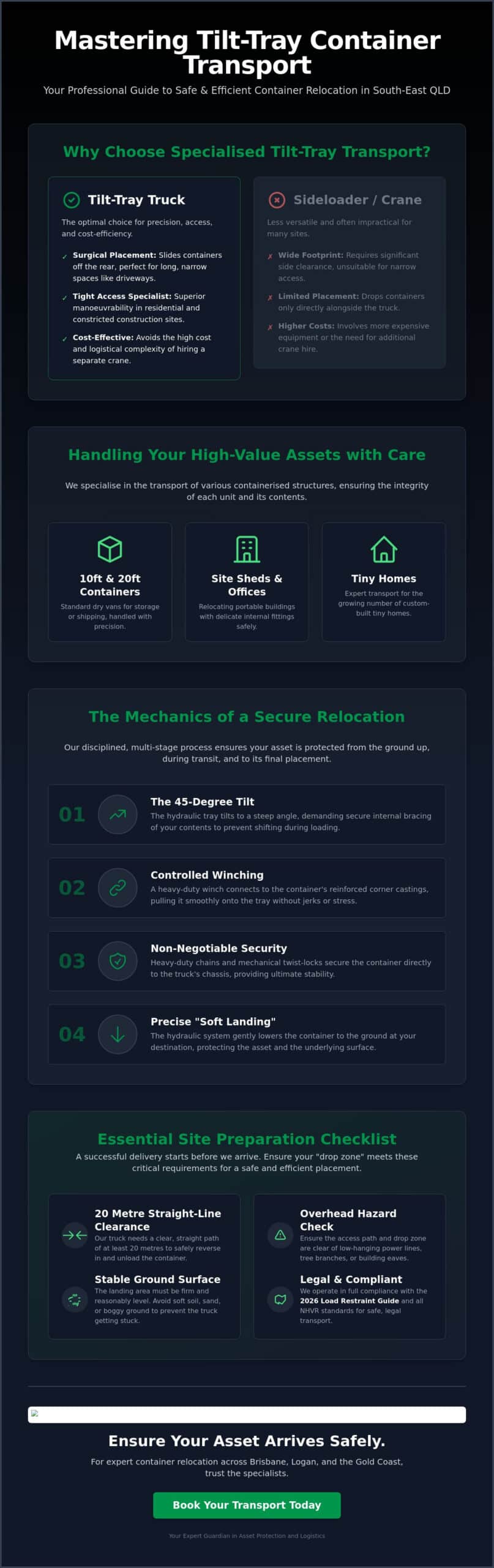
    Choosing the right equipment is vital for a successful delivery. Tilt-trays offer superior manoeuvrability in tight residential spaces compared to sideloaders. While a sideloader requires significant width to drop a container alongside the truck, it often fails in narrow Gold Coast driveways or restricted construction sites. A tilt-tray slides the unit off the rear of the bed, allowing for surgical placement in long, thin spaces. This method also provides a significant cost-benefit by avoiding expensive external crane hire for standard 20ft units. It’s the most efficient way to achieve ground-level access without the logistical headache of multiple machines on site.

    Container Types We Specialise in Moving

    We specialise in moving standard 10ft and 20ft dry vans, but our expertise extends to more complex structures. We frequently relocate modified site sheds, portable offices, and the growing number of “tiny homes” appearing across South-East Queensland. These modified units often have delicate internal fittings that require a steady, level transport process. Handling high-cube or refrigerated (reefer) units also requires specific weight considerations and a deep understanding of the load’s centre of gravity. This level of technical proficiency is also applied to our machinery transport services, where protecting the engineering integrity of the asset is the primary objective. We ensure every unit is secured with heavy-duty chains and twist-locks, regardless of its size or purpose.

    The Mechanics of Tilt-Tray Container Relocation

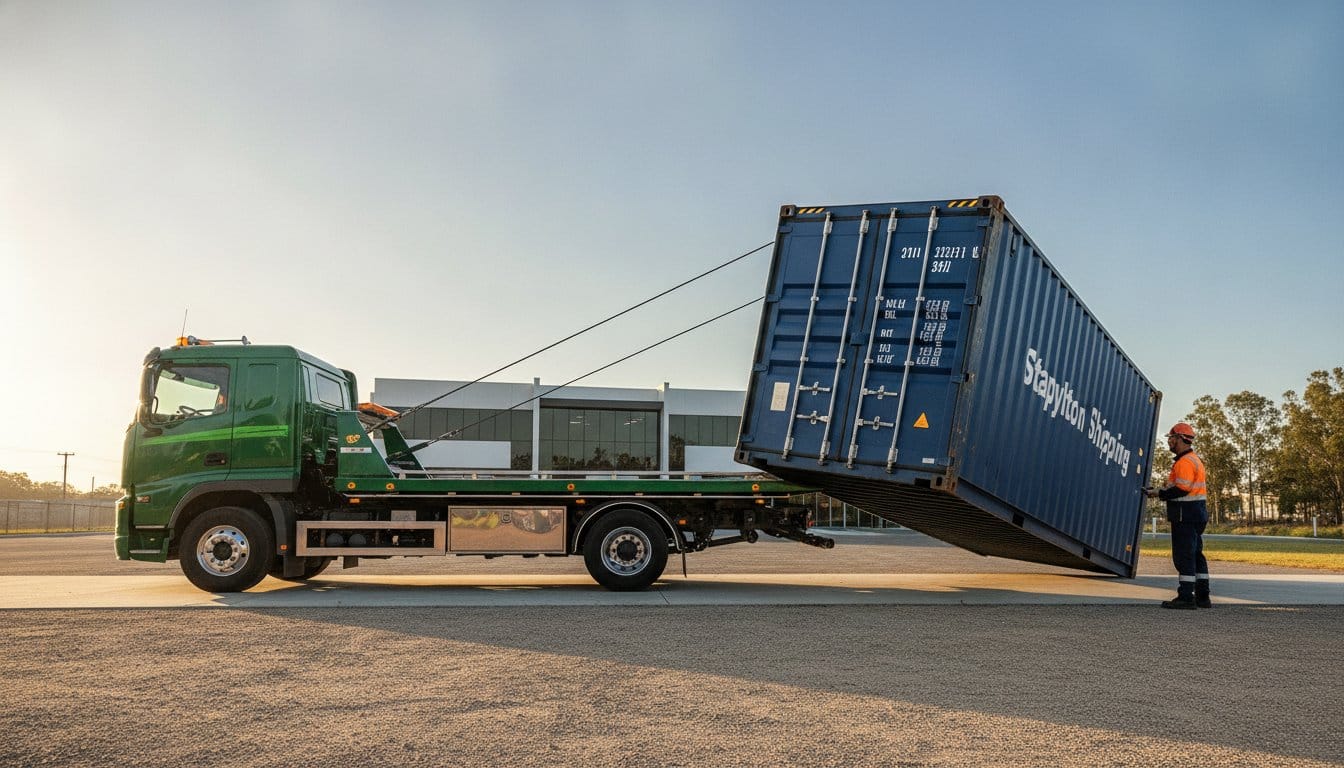
    The transition from ground to deck is the most technically demanding phase of shipping container towing. During this process, the hydraulic bed of a specialised tilt-tray truck reaches a significant incline, often approaching a 45-degree angle. This steep elevation requires a disciplined approach to ensure the structural integrity of the unit is maintained and any internal contents remain secure. While the steel exterior of an intermodal unit is designed for durability, the forces exerted during a tilt-load can be substantial if not managed by a specialist with an “Expert Guardian” mindset.

    To mitigate the risk of internal shifting, we advise clients to implement rigorous internal bracing before the truck arrives on site. Items should be strapped to internal lashing points or packed tightly to prevent movement when the unit is tilted. Once the container is successfully loaded, securing the load becomes a matter of strict compliance. We utilise heavy-duty chains and mechanical twist-locks as non-negotiable safeguards. These components lock the container directly to the chassis of the truck, providing a level of security and peace of mind that simple straps cannot match.

    The Winching Process Explained

    Our operators connect directly to the reinforced corner castings of the unit to ensure maximum structural integrity during the lift. A steady, controlled hydraulic pull is essential; sudden jerks or uneven winching can cause the container to rack or twist. A standard tilt-tray utilised for container transport typically maintains a maximum payload capacity of 10 tonnes to ensure structural safety and vehicle stability during the winching phase. This controlled power allows for a “soft landing” at the destination, where the hydraulic bed gently lowers the unit back to the ground with surgical precision, protecting both the asset and the underlying surface.

    Equipment Standards at Done Wright Towing & Transport

    We maintain a modern fleet specifically outfitted to navigate the M1 and the demanding local corridors of Logan and Stapylton. Our commitment to elite handling includes the use of non-abrasive techniques and specialised equipment designed to preserve the exterior finish of your asset. The “Done Wright” promise is built on the foundation of meticulous care, ensuring every relocation is executed with a focus on engineering precision rather than just speed. If you require this level of disciplined service, you can contact Done Wright Towing & Transport to discuss your specific site requirements. This methodical approach ensures your asset remains a prized possession throughout its journey across South-East Queensland.

    Essential Site Preparation for Successful Container Delivery

    Site preparation is the critical bridge between a successful relocation and a logistical stalemate. To facilitate professional shipping container towing, you must calculate the “Drop Zone” with engineering accuracy. A standard 20ft container requires at least 20 metres of straight-line clearance. This space allows the tilt-tray truck to align perfectly and slide the unit off the rear without the risk of impacting nearby structures or vehicles. Without this linear path, the operator cannot achieve the surgical placement your asset deserves.

    In South-East Queensland, particularly across the soft alluvial soils of Logan and the northern Gold Coast, ground stability is a non-negotiable factor. A laden truck can easily become bogged in damp earth, which is why we insist on a firm, compacted surface before arrival. You must also identify and mark underground services, such as septic tanks, drainage pipes, or telecommunications cables. These hidden hazards often lack the structural integrity to support the concentrated weight of a heavy vehicle. Similarly, look up to identify low-hanging branches or power lines that could obstruct the tray during its 45-degree tilt.

    Long-term placement requires a level foundation to prevent the container from “racking.” If the ground is uneven, the doors may become difficult to operate or the structural seals could fail over time. We recommend using timber sleepers or concrete pads at each corner to distribute the weight evenly and provide a stable base that resists sinking during the wet season. This methodical approach ensures your unit remains functional and secure for years to come.

    Access Requirements for Heavy Tilt-Trays

    Our specialised transport fleet requires specific clearances to operate safely. Typically, you should ensure a minimum width of 3 metres and a height clearance of 4.5 metres along the entire access path. Turning circles are equally important; the truck needs enough room to manoeuvre and exit the site once the container is on the ground. If your property features a steep driveway, please inform us during the planning stage. These scenarios often transition from a standard relocation into a complex recovery task that requires additional winching equipment and a higher level of technical discipline.

    The “Last Mile” Checklist

    Effective pre-delivery communication is the hallmark of a professional move. Our Stapylton-based team requires a site briefing at least 24 hours prior to confirm the orientation of the unit. You must decide whether you want the doors to face the truck cabin or the rear of the tray, as this determines how the container is loaded and ultimately dropped. For more detailed insights on managing these logistics, you can read our guide on shipping container transport in SE QLD. This meticulous checklist ensures that the final ten metres of the journey are as secure as the first.
    Shipping Container Towing in Stapylton & SE QLD: The 2026 Professional Guide

    Adhering to the legal framework for shipping container towing is a matter of public safety and professional discipline. In Queensland, operations are governed by the Tow Truck Act 2023 and the Tow Truck Regulation 2024, which mandate strict accreditation for drivers and specific vehicle standards. Beyond these state laws, we ensure full compliance with the National Heavy Vehicle Regulator (NHVR) protocols for oversized or heavy loads. Following the 2026 Load Restraint Guide is non-negotiable for our team; the “she’ll be right” attitude has no place in a high-stakes logistical environment where precision is the only acceptable standard.

    Local council regulations also play a vital role in a successful delivery. If you intend to place a container on a road verge or nature strip in Logan or the Gold Coast, you will likely require a temporary occupation permit. These permits ensure that the placement doesn’t obstruct visibility for motorists or damage underground council infrastructure. Engaging a fully licensed transporter provides the peace of mind that all regulatory boxes are ticked, shielding you from potential liability or municipal fines. If you are unsure about the specific requirements for your suburb, you can request a compliant transport quote from Done Wright Towing & Transport to ensure your project stays within legal boundaries.

    Weight Limits and Road Safety

    The distinction between moving an empty unit and a loaded one is significant for road safety. While an empty 20ft container weighs approximately 2.3 tonnes, a loaded unit can approach the maximum payload capacity discussed in earlier sections. We meticulously calculate axle weights to stay within legal limits, particularly when navigating the M1 or the Gold Coast Highway, where weighbridges and transport inspectors are active. This technical foresight is essential for long-distance transport and interstate backloads, where varying road conditions and steep gradients demand a perfectly balanced load to maintain vehicle stability.

    The Importance of Specialised Licensing

    General towing operators often lack the specific endorsements and equipment required for the unique demands of container transport. Our Stapylton-based operators undergo ongoing training to master the nuances of hydraulic winching and high-centre-of-gravity haulage. Professional container movers in Australia are required to maintain specific transit insurance and public liability coverage to ensure the protection of the asset throughout the entire loading and transport sequence. This “Expert Guardian” approach ensures that every driver behind the wheel of a Done Wright Towing & Transport vehicle is technically proficient and deeply respectful of the engineering standards required for a damage-free arrival.

    Why Done Wright is the Expert Guardian for Your Container

    Our operational hub in Stapylton serves as the strategic heart of our South-East Queensland network. This prime location allows us to provide rapid, disciplined shipping container towing across the industrial corridors of Logan, Brisbane, and the North Gold Coast with unparalleled efficiency. We don’t view ourselves as a mere haulage company; we are the Expert Guardian of your most significant investments. Whether we are moving a standard dry van or a complex site shed, our team applies the same meticulous care and engineering precision that defines our reputation in the region.

    Our expertise extends far beyond standard units. We possess the technical proficiency required for high-end machinery transport and the relocation of specialised portable offices. We understand that these assets often contain sensitive equipment or custom modifications that cannot withstand the rugged handling typical of general logistics providers. By choosing a partner that values craftsmanship and security, you eliminate the risks associated with shifting loads or structural stress. Every item is treated as a prized possession rather than just another task on the schedule.

    Transparent communication forms the backbone of our service. We provide clear logistical planning that de-risks the decision-making process for our clients. By offering a methodical approach to every task, we foster a sense of trust that is rare in the heavy transport industry. We understand the financial stakes involved in your relocation, and we ensure that our pricing and operational processes are as clear and reliable as the equipment we operate.

    Serving South-East Queensland and Beyond

    Local knowledge is a vital component of our service. Our operators are intimately familiar with the logistical challenges of the M1 and the specific access requirements of Stapylton’s industrial estates. For those moving further afield, we offer robust capabilities for interstate backloads and long-distance relocations, ensuring your asset receives premium care regardless of the distance. If you require a comprehensive towing service in Logan & Stapylton, our fleet is equipped to handle the task with quiet confidence and technical mastery.

    Book Your Container Relocation Today

    To provide an accurate quote, we require detailed information regarding your container type and the specific conditions of your delivery site. Clear logistical planning ensures there are no surprises on delivery day. We pride ourselves on providing a structured timeline and a firm understanding of the safety protocols involved in every shipping container towing project. Experience the Done Wright Towing & Transport difference, where prestige service standards meet heavy transport. You can Request a Quote from Done Wright Towing & Transport today to secure your relocation with the region’s premier specialists.

    Securing Your Logistical Success in 2026

    Navigating the complexities of shipping container towing requires a disciplined blend of engineering knowledge and local expertise. We have examined the vital importance of rigorous site preparation, from calculating the twenty-metre straight-line clearance to assessing ground stability across the Logan and Gold Coast corridors. By prioritising technical standards and NHVR compliance, you ensure that your asset remains a prized possession throughout every stage of the transition. Our Stapylton-based team stands ready to provide the professional authority and meticulous care your project demands.

    As a fully licensed and insured provider, we specialise in prestige-level care for all industrial assets, including containers, site sheds, and heavy machinery. We treat every task with the quiet confidence of an “Expert Guardian,” ensuring that your delivery is executed with surgical precision and transparent communication. Get your shipping container moved the right way by the experts at Done Wright Towing. We look forward to helping you achieve a seamless, secure relocation that keeps your site works perfectly on schedule.

    Frequently Asked Questions

    Can you move a shipping container that is still full of my belongings?

    You can move a container with contents inside, provided every item is rigorously secured and braced against internal lashing points. Because the unit tilts at a 45-degree angle during the loading phase of shipping container towing, loose items will shift and potentially cause structural damage or unbalance the vehicle. We recommend a full inventory check to ensure weight is distributed evenly before the winch process begins; to help with this preparation, you might explore LabelWriter 5XL for professional asset tagging and organisation.

    How much space does a tow truck need to drop off a 20ft container?

    A standard 20ft container requires a minimum of 20 metres of straight-line clearance for a successful delivery. This “drop zone” allows the tilt-tray truck to align perfectly and slide the unit off the rear without impacting fences or buildings. You must also ensure a minimum width of 3 metres and a height clearance of 4.5 metres to accommodate the truck’s hydraulic bed as it elevates during the unloading sequence.

    Do I need a crane to lift a shipping container onto a tow truck?

    You do not require a crane for most standard 10ft and 20ft relocations when utilising a specialised tilt-tray truck. These vehicles are designed to load and unload units at ground level using a high-tension winching system and a hydraulic bed. This method is significantly more cost-efficient and less logistically complex than coordinating an external crane hire for standard site shed or storage unit placements across South-East Queensland.

    What is the maximum weight a tilt-tray can tow for a container?

    The maximum payload capacity for a standard tilt-tray engaged in shipping container towing is typically 10 tonnes. This limit ensures the structural safety of the vehicle’s hydraulic system and maintains stability during the steep winching phase. If your unit exceeds this weight, or if you are moving a 40ft container, alternative heavy-haulage configurations may be required to remain compliant with Queensland transport regulations and axle weight limits.

    Will the tow truck damage my lawn or driveway during the delivery?

    While our operators exercise meticulous care, a heavy truck can damage soft lawns or thin decorative driveways, especially after heavy rain. We recommend assessing ground stability and using timber sleepers to distribute the weight at the final “drop zone” location. Our Stapylton-based team utilises non-abrasive techniques, but the sheer mass of a laden container requires a firm, compacted surface to prevent sinking or cracking during the delivery process.

    Are there any items that cannot be inside the container during transport?

    Certain hazardous materials and perishable goods are prohibited from being inside the container during transport for safety and compliance reasons. Items such as gas cylinders, flammable liquids, and explosive materials pose a significant risk during the tilt-loading process and may violate our insurance protocols. It is essential to declare any specialised cargo or dangerous goods before the truck arrives to ensure the safety of our operators and the public.

    How much does shipping container towing cost in Brisbane and the Gold Coast?

    The investment for container relocation varies based on the distance travelled, site accessibility, and the specific size of the unit. Factors such as steep driveways or the need for complex recovery winching can also influence the final logistical requirements. We recommend requesting a detailed quote to receive a transparent breakdown of the costs specific to your property and the current Queensland transport standards, ensuring there are no surprises on delivery day.

    Can you relocate a shipping container from a site with limited access?

    We can often relocate containers from sites with limited access, though these scenarios require advanced logistical planning and an “Expert Guardian” mindset. If a property features narrow gates or sharp corners, we may employ specialised recovery techniques or smaller tilt-tray configurations to achieve a successful drop. Providing our team with photos or a site briefing 24 hours prior allows us to prepare the necessary equipment for a disciplined, damage-free arrival.
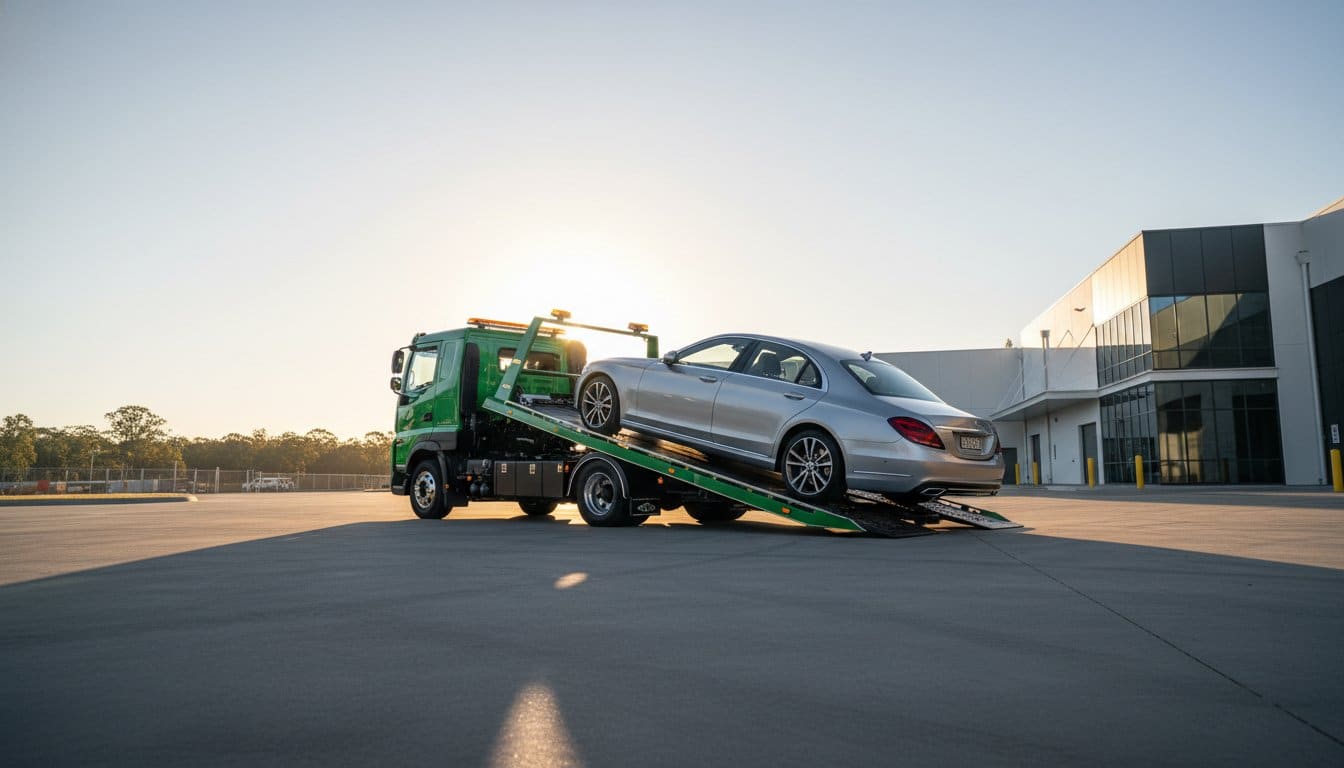
  • Interstate Backloads: The Smart Guide to Cost-Effective Vehicle Transport

    Interstate Backloads: The Smart Guide to Cost-Effective Vehicle Transport

    Why should you pay the premium for a dedicated, empty transporter when your prestige vehicle or heavy machinery only requires a single, secure bay on an existing professional route? You likely recognise that moving high-value assets across state lines is frequently a source of significant financial stress, especially when coupled with the fear of transit damage or opaque delivery schedules. It’s perfectly natural to feel hesitant about shared transport options when your investment is on the line. However, choosing interstate backloads isn’t a compromise on quality; it’s a strategic logistical decision used by savvy collectors and site managers alike.

    We understand that your priority is the meticulous protection of your asset. This guide will show you how to achieve significant cost savings, often between 20% and 60% compared to dedicated freight, without sacrificing the elite handling and comprehensive insurance your cargo deserves. We will examine the rigorous safety standards required by the 2026 Heavy Vehicle National Law updates and provide a clear roadmap for ensuring your vehicle arrives on a precise, professional timeline.

    Key Takeaways

    • Understand how modern transport efficiency leverages existing return journeys to reduce carbon emissions and operational waste.
    • Discover why professional interstate backloads for prestige vehicles and machinery rely on specialised tilt tray equipment rather than standard towing methods.
    • Learn how the distribution of fixed overheads like fuel and tolls allows for significant cost reductions without compromising on meticulous handling.
    • Master the preparation process by using a professional checklist to document asset condition and organise your booking for optimal route availability.
    • Identify the strategic advantages of utilising dedicated regional hubs in Logan and Stapylton for secure transit across the Queensland and New South Wales border.

    What are Interstate Backloads? Defining Modern Transport Efficiency

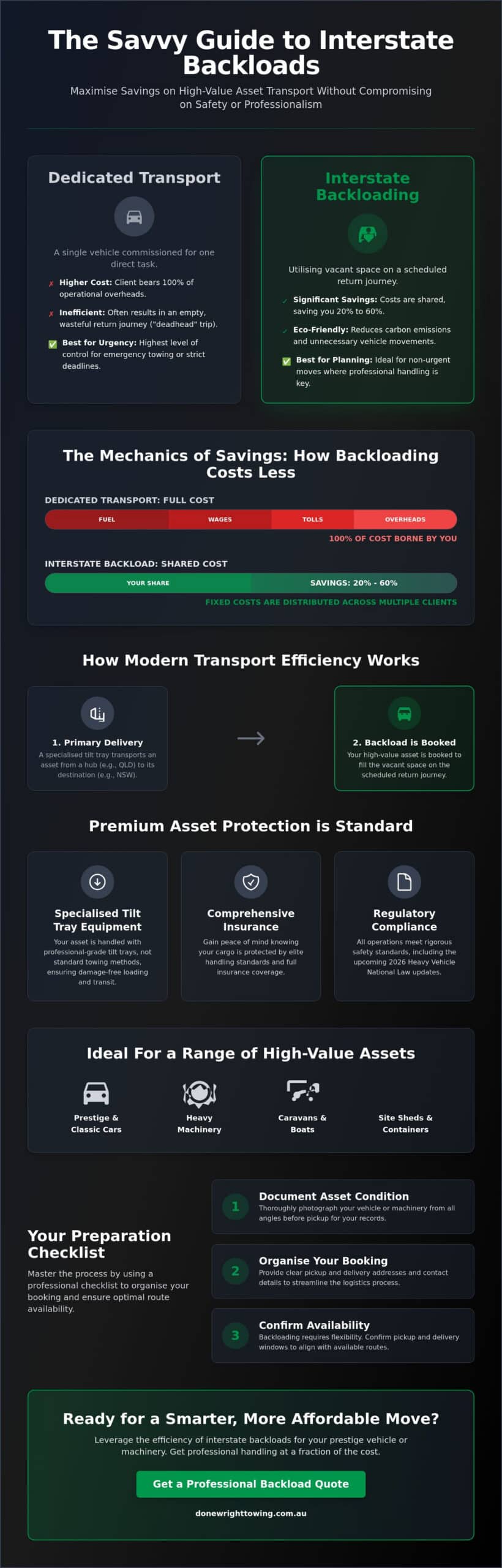
    To understand the strategic value of this service, one must first ask: What are Interstate Backloads? At its core, backloading is the sophisticated practice of utilising the vacant space on a heavy vehicle that is already scheduled for a return journey. Rather than a transporter returning to its primary hub with an empty tray, a professional carrier integrates secondary cargo into the planned route. This method transforms what would otherwise be a “deadhead” trip into a precision-managed logistics operation. It’s a refined approach that prioritises resource management over the traditional, often wasteful, model of dedicated single-asset transport.

    For the discerning owner of a prestige vehicle or vital machinery, interstate backloads represent a marriage of fiscal responsibility and environmental stewardship. By filling existing capacity, the industry significantly reduces the number of unnecessary vehicle movements on major Australian freight arteries. This consolidation directly lowers the collective carbon footprint of the transport sector. It also ensures that the heavy vehicle’s operational costs, such as fuel, tolls, and driver hours, are distributed across multiple consignments. The result is a premium service that costs less because it is smarter, not because it cuts corners on safety or quality.

    The Return Trip Concept

    Logistical planning often centres on major transport corridors stretching from operational hubs in Logan and Stapylton toward the southern states. When a specialised tilt tray completes a primary delivery of a classic car or a site shed to Sydney or Melbourne, the vehicle must eventually return to Queensland. For the carrier, an empty return journey is an inefficiency to be avoided. For the client, this creates a premium opportunity to secure elite transport standards at a reduced rate, as the primary transit costs are already accounted for by the outbound leg. It’s a win-win scenario that rewards those who plan their transport needs with a focus on efficiency.

    Backloading vs. Dedicated Transport

    Choosing between these two methods depends entirely on your specific requirements for timing and exclusivity. A dedicated transport service involves commissioning a vehicle for a singular, direct task, providing the highest level of schedule control for urgent relocations or breakdown towing. In contrast, backloading requires a degree of flexibility regarding pickup and delivery windows. It’s the superior choice for non-emergency relocations, such as moving a caravan, a boat, or construction machinery, where the priority is professional, secure handling rather than a strict, hour-specific arrival. This methodical approach ensures your asset receives the same level of meticulous care as a dedicated load but at a significantly more accessible price point.

    The Mechanics of Savings: Why Backloading Costs Less

    The financial logic behind interstate backloads is rooted in the mathematical distribution of fixed operational expenses. A single journey from Queensland to Victoria incurs massive overheads. These include the driver’s professional wages, heavy vehicle registration, and the wear on specialised tilt tray equipment. When a carrier runs a dedicated service, the client bears these costs alone. Backloading changes this dynamic by allowing multiple high-value assets to share the same journey. It is a sophisticated method of modern transport efficiency that preserves the premium standards expected by collectors and commercial operators alike. According to industry data, this collective approach allows customers to save between 20% and 60% on their move compared to a dedicated truck.

    Route density plays a critical role in these savings. The corridor connecting the Gold Coast to Sydney and Melbourne is one of the busiest freight arteries in the country. Because road freight accounts for approximately 75% of all non-bulk domestic freight in Australia, there is a constant flow of professional transporters moving between these capitals. If you are planning a move, exploring a professional vehicle relocation via backload can offer the same elite security as a private tow at a fraction of the investment. We ensure that every bay on the transporter is utilised effectively, which keeps the wheels turning and the costs manageable for every client on the manifest.

    Fuel and Toll Efficiency

    Interstate transport requires navigating expensive toll networks, particularly through the Sydney and Melbourne metropolitan areas. For a heavy vehicle, these fees can accumulate rapidly across a 1,000-kilometre journey. Modern logistics planning ensures that these costs aren’t wasted on an empty tray. By distributing the substantial fuel expenditure across several consignments, the individual cost to each client is significantly reduced without impacting the calibre of service provided. This methodical approach ensures that the high price of diesel doesn’t become a barrier to safe, professional transport.

    Logistics Planning in South-East Queensland

    Stapylton serves as a critical strategic nexus for transport between Brisbane and the Gold Coast. This location allows for the efficient aggregation of prestige cars, caravans, and machinery before they begin their journey south. High route density along the East Coast means there are more frequent opportunities to fill the gaps in a carrier’s schedule. This frequency ensures that even though backloading requires some flexibility, your asset doesn’t wait long for a secure bay on a professional transporter. It’s about disciplined scheduling that respects both the client’s budget and the asset’s requirements for secure, damage-free handling.

    Interstate Backloads: The Smart Guide to Cost-Effective Vehicle Transport

    Premium Asset Protection: Safe Backloading for High-Value Vehicles

    A common misconception persists that choosing interstate backloads implies a compromise on the calibre of handling your asset receives. In reality, the lower price point is a result of logistical efficiency, not a reduction in safety protocols. For owners of prestige vehicles and rare classic cars, the standard of care remains the highest priority. Professional transporters treat every vehicle as a prized possession, employing disciplined loading techniques that respect the engineering and craftsmanship of the asset. Whether you are relocating a vintage Jaguar or a modern performance vehicle, the methodology remains focused on meticulous protection and damage prevention.

    Security during transit is underpinned by strict adherence to Australian transport regulations and comprehensive insurance coverage. Reputable operators must maintain public liability and transit insurance, which typically covers significant events such as collisions, overturning, or theft. Under the 2026 Heavy Vehicle National Law (HVNL) amendments, all accredited operators are now required to have a robust Safety Management System (SMS) in place. These strengthened Chain of Responsibility (CoR) laws ensure that every party involved in the transport process is legally accountable for the safety of the load. This regulatory environment provides peace of mind that your investment is protected by professional guardians who understand the financial and emotional stakes involved.

    Specialised Equipment for Prestige and Classic Cars

    The use of specialised tilt tray equipment is non-negotiable for high-value vehicle relocations. Low-angle tilt trays are essential for performance cars with minimal ground clearance, ensuring that spoilers and undercarriages remain untouched during the loading process. Once on the tray, we utilise non-abrasive soft straps rather than traditional chains. These specialised tie-downs secure the vehicle firmly by the wheels or chassis without risking the delicate paintwork or chrome finishes. This level of technical precision ensures that your asset arrives in the exact condition it was in when it left your driveway.

    Machinery and Heavy Equipment Safety

    Securing industrial assets requires a deep understanding of weight distribution and load dynamics on a multi-load journey. When integrating site sheds, containers, or heavy plant equipment into a shared route, expert loaders must calculate the optimal placement to maintain the transporter’s balance and stability. This is particularly vital for machinery transport, where irregular dimensions and high centres of gravity demand specialised knowledge. By using heavy-duty winches and engineered lashing points, we ensure that even the most cumbersome equipment remains immobile and secure across thousands of kilometres of Australian highway.

    Planning Your Interstate Move: A Step-by-Step Backload Checklist

    The success of a premium relocation begins long before the tilt tray arrives at your property. Securing a position for interstate backloads requires a disciplined approach to scheduling, as these high-demand slots fill quickly on popular East Coast routes. Industry experts recommend booking 4 to 6 weeks in advance, particularly during the peak season from November to February, to ensure your asset is prioritised. This lead time allows the logistics team to integrate your vehicle into a route that maximises efficiency while maintaining the high standards of care your investment deserves.

    Documenting the precise condition of your vehicle is a critical step in the “Expert Guardian” process. We recommend taking high-resolution photographs of every panel, including the roof and undercarriage, to create a definitive record before the loading process commences. This level of detail provides immediate peace of mind and serves as an essential reference for insurance purposes. Additionally, you must ensure that both the pickup and delivery locations provide ample clearance for a heavy vehicle. Under the 2026 HVNL amendments, the maximum vehicle length has increased to 20 metres, meaning your transporter may require more space than a standard local tow truck to manoeuvre safely.

    Preparing Your Vehicle for Transit

    A clean vehicle is more than a matter of pride; it’s a prerequisite for a thorough condition report. Dust and road grime can obscure minor imperfections, so a professional wash allows for a more accurate inspection during the handover. You should remove all personal belongings from the interior, as transit insurance typically does not cover loose items left inside the cabin. Finally, verify that the battery is healthy and fluid levels are adequate. Even if the vehicle is not being driven long distances, it must be capable of steering and braking safely for the winching and loading process.

    Managing Timelines and Communication

    Embracing a flexible window for pickup and delivery is the most effective way to maximise your savings. Because backloading relies on the movement of other primary cargo, a small degree of patience allows the carrier to offer a more competitive rate. Direct communication with the dispatch centre ensures you receive timely updates regarding the transporter’s progress. Before the journey begins, take a moment to review your interstate towing service contract. It’s vital to confirm that the transit insurance coverage aligns with the specific value of your prestige car, caravan, or machinery.

    If you are ready to organise a secure relocation for your classic car or heavy equipment, request a professional backload consultation to secure your place on our next scheduled route.

    Done Wright: Professional Backloads Across the QLD/NSW Border

    Choosing Done Wright Towing & Transport means entrusting your vehicle to a team that views logistics through the lens of meticulous care rather than mere volume. Our approach to interstate backloads is defined by a commitment to the “Expert Guardian” philosophy, where every classic car, piece of machinery, or building container is handled with the same reverence as a personal heirloom. By maintaining a steady presence on the roads between South-East Queensland and the southern states, we ensure that your asset is integrated into a disciplined, planned schedule that prioritises security above all else. This isn’t just about moving an item from point A to point B; it’s about executing the task “Done Wright” every single time.

    Our operational hub in Stapylton serves as the ideal launchpad for vehicles heading south. We understand the emotional and financial stakes involved in high-end transport, which is why we deliberately move away from the aggressive, rugged tone of general logistics. Instead, we offer a service-oriented atmosphere that appeals to enthusiasts and collectors who are protective of their investments. By choosing a specialist who understands engineering and craftsmanship, you gain the peace of mind that comes from knowing your asset is in the hands of technically proficient professionals.

    The SE QLD to Northern NSW Specialists

    As specialists in the corridor stretching from Logan and Stapylton to Northern NSW and beyond, we have mastered the nuances of border towing and regional deliveries. Our team frequently manages the collection of auction vehicles and private property removals, ensuring that even complex logistics are handled with quiet confidence. Whether you’re moving a prestige vehicle purchased at a southern auction or relocating heavy machinery to a regional work site, our deep knowledge of New South Wales transport routes allows us to provide a premium service experience at a more accessible backload price point.

    Why Choose a Family-Owned Specialist?

    In an industry often dominated by faceless aggregators, the value of a dedicated family-owned specialist is significant. Unlike generic booking platforms that outsource your cargo to the lowest bidder, we maintain direct control over our fleet and our safety standards. This allows us to focus on the technical details that matter, such as the use of specialised, non-abrasive equipment and precise weight distribution for interstate backloads involving heavy machinery. Our reputation among local enthusiasts is built on years of reliable, high-standard execution. To secure a tailored quote for your next relocation, contact our dispatch office to discuss your specific requirements and upcoming route availability.

    Secure Your Next Relocation with Expert Precision

    Navigating the complexities of long-distance transport doesn’t require a choice between fiscal responsibility and the safety of your investment. By utilising existing route capacity, interstate backloads provide a sophisticated solution that maintains the highest standards of meticulous care. We’ve established that cost efficiency is a result of smart logistics, not a reduction in protection. Every relocation we manage adheres to the stringent 2026 Heavy Vehicle National Law standards, employing specialised equipment like low-angle tilt trays and non-abrasive soft straps to ensure your asset remains pristine.

    Our Stapylton-based team specialises in the transport of prestige, classic, and performance cars, treating every load with the disciplined attention of an expert guardian. You shouldn’t have to settle for generic aggregators when you can partner with a fully licensed and insured specialist with deep regional expertise. We take pride in delivering a service-oriented experience that ensures every task is Done Wright. We look forward to assisting you with your upcoming transport requirements.

    Get a Professional Quote for Your Interstate Backload

    Frequently Asked Questions

    How much can I actually save by using an interstate backload?

    You can typically achieve significant cost savings of between 20% and 60% compared to commissioning a dedicated transporter. This reduction is possible because your vehicle or machinery shares the fixed operational overheads of a route that is already scheduled. By utilising the vacant space on a return journey, you avoid the premium expense of paying for the entire truck’s fuel, tolls, and driver wages alone.

    Is backloading safe for my classic or prestige car?

    Backloading is exceptionally safe for high-value assets when handled by a specialist provider using professional tilt tray equipment. We treat every vehicle as a prized possession, employing non-abrasive soft straps and low-angle trays to protect delicate paintwork and low-clearance undercarriages. The technical safety protocols and meticulous handling methods remain identical to a dedicated service; only the logistical scheduling of the trip differs.

    How long does an interstate backload typically take to deliver?

    Delivery timelines for interstate backloads generally depend on the primary route’s schedule and the specific logistics of the shared load. While a dedicated tow offers immediate transit, a backload usually requires a flexible window of several days to a week for pickup and delivery. We maintain disciplined communication throughout the journey to ensure you are informed of the precise arrival time at your destination.

    Do I need to be present for the pickup and delivery of the vehicle?

    It’s highly recommended that you or a trusted representative be present to sign the condition report and oversee the loading process. This presence ensures that the high-resolution documentation of your asset’s condition is agreed upon before the journey commences. If you cannot be there personally, we can arrange for an authorised agent to facilitate the handover at your private property or commercial site.

    Are backloaded vehicles still covered by transit insurance?

    Reputable transport operators provide comprehensive transit insurance that covers major events such as collisions, overturning, or theft during the journey. Under the 2026 Master Code, carriers must demonstrate a rigorous Safety Management System to maintain their accreditation. You should always verify that the policy’s coverage limit reflects the full replacement value of your prestige or classic vehicle before confirming your booking.

    Can I use backloading for heavy machinery or site sheds?

    Backloading is an ideal, cost-effective solution for relocating heavy machinery, site sheds, and shipping containers across state lines. These large assets often fit perfectly into the logistical gaps of return journeys originating from regional hubs like Stapylton or Logan. Our expert loaders ensure correct weight distribution and secure lashing to maintain the stability and safety of the transporter throughout the long-distance haul.

    What happens if the truck is delayed on its interstate route?

    Delays on interstate routes are occasionally caused by adverse weather conditions or strict adherence to mandatory rest breaks required by heavy vehicle fatigue laws. If a delay occurs, our dispatch centre provides immediate updates to keep you informed of the revised timeline. We prioritise the safety of your asset and our professional drivers over rushed schedules, ensuring a secure and damage-free arrival.

    Do you offer backloads from the Gold Coast to Sydney and Melbourne?

    We frequently operate interstate backloads along the busy freight corridor connecting the Gold Coast and South-East Queensland to Sydney and Melbourne. This high-density route allows for more frequent opportunities and greater flexibility for our clients seeking professional vehicle relocation. By utilising our strategic hub in Stapylton, we provide a premium service for enthusiasts and commercial operators moving assets across the East Coast.

  • Industrial Machinery Transport: The Complete Guide to Safe Heavy Haulage in 2026

    Industrial Machinery Transport: The Complete Guide to Safe Heavy Haulage in 2026

    Industrial machinery transport is far more than a simple logistics task; it is a discipline of precision engineering and meticulous guardianship that demands absolute technical proficiency. You likely understand the mounting pressure of the 2026 Heavy Vehicle National Law reforms, where the margin for error has effectively vanished. The anxiety of potential equipment damage during a complex site-to-site relocation, coupled with the new personal liabilities for company executives under the updated Chain of Responsibility, can make even the most seasoned project manager feel uneasy.

    This guide empowers you to master these complexities by providing a clear roadmap for safe heavy haulage, ensuring your high-value assets arrive in pristine condition while meeting every new regulatory standard. We’ll examine the transition from the old NHVAS to the new two-tier Heavy Vehicle Accreditation framework, the necessity of mandatory Safety Management Systems, and the specialised methods required for zero-damage delivery in the current Australian landscape. By understanding these shifts, you can secure your investments and maintain seamless logistics without the fear of hidden costs or compliance failures.

    Key Takeaways

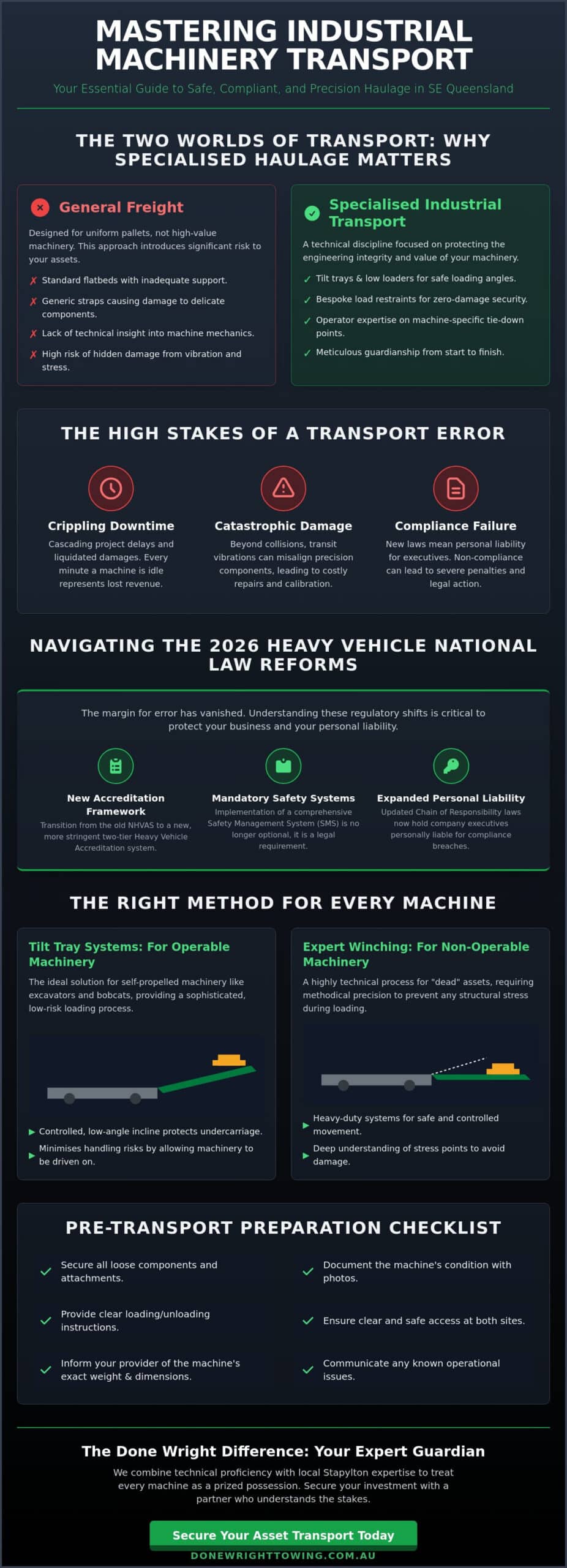
    • Recognise why standard towing fails precision equipment and how specialised industrial machinery transport protects your high-value engineering investments.
    • Discover the technical advantages of tilt tray systems and why non-operable machinery requires a methodical, expert winching approach.
    • Master the 2026 Heavy Vehicle National Law reforms to mitigate personal liability and navigate the complex Logan to Gold Coast logistical corridor.
    • Follow our comprehensive preparation protocol to ensure your asset is transport-ready and eliminate the risk of damage-related disputes.
    • Learn how the “Expert Guardian” philosophy at Done Wright Towing & Transport secures your prized possessions through technical proficiency and local Stapylton expertise.

    Understanding Industrial Machinery Transport: More Than Just Haulage

    Industrial machinery transport encompasses the sophisticated relocation of over-dimensional, heavy, or high-value assets that form the backbone of your commercial operations. This isn’t a commodity service like general freight; it’s a technical discipline requiring elite handling and deep mechanical insight. When you’re moving a multi-million dollar CNC machine or a massive excavator, you aren’t just paying for a truck. You’re investing in the security of your business’s future. General towing services often lack the specialised equipment and specific knowledge of oversize load regulations necessary to protect such sensitive engineering. Choosing a transport partner based on price alone often overlooks the hidden costs of failure. The investment in a premium service represents a fraction of the total replacement value of the asset. A disciplined approach ensures that the engineering integrity of the machine remains uncompromised from the moment it leaves the floor until it reaches its new destination.

    The High Stakes of Heavy Equipment Relocation

    The financial implications of a transport error extend far beyond the cost of a repair. Operational downtime can cripple a project’s timeline, leading to cascading delays and liquidated damages. Beyond the obvious impact of a collision, subtle technical risks like harmonic vibration or structural stress during transit can misalign precision components. Treating every machine as a prized possession isn’t just a sentiment; it’s a risk-mitigation strategy that ensures your equipment arrives ready to work immediately. Every minute a machine sits idle due to transport damage is a minute of lost revenue. Meticulous care during the loading and unloading phases is the only way to guarantee a zero-damage outcome.

    Key Differences Between General Freight and Industrial Transport

    Standard flatbeds are designed for uniform pallets, whereas industrial machinery transport utilises specialised low loaders, tilt trays, and extendable trailers. These vehicles allow for safer loading angles and better weight distribution. Bespoke load restraint systems are essential. You can’t simply throw a generic strap over a delicate hydraulic line or a glass-panelled control centre. Operators must understand the mechanics of the machine they are hauling to identify safe tie-down points that won’t cause structural deformation. This level of expertise distinguishes a true specialist from a generalist. It requires a steady, methodical pace that prioritises safety over speed, ensuring that every chain and tensioner is placed with absolute precision.

    Common Types of Machinery and Specialised Transport Methods

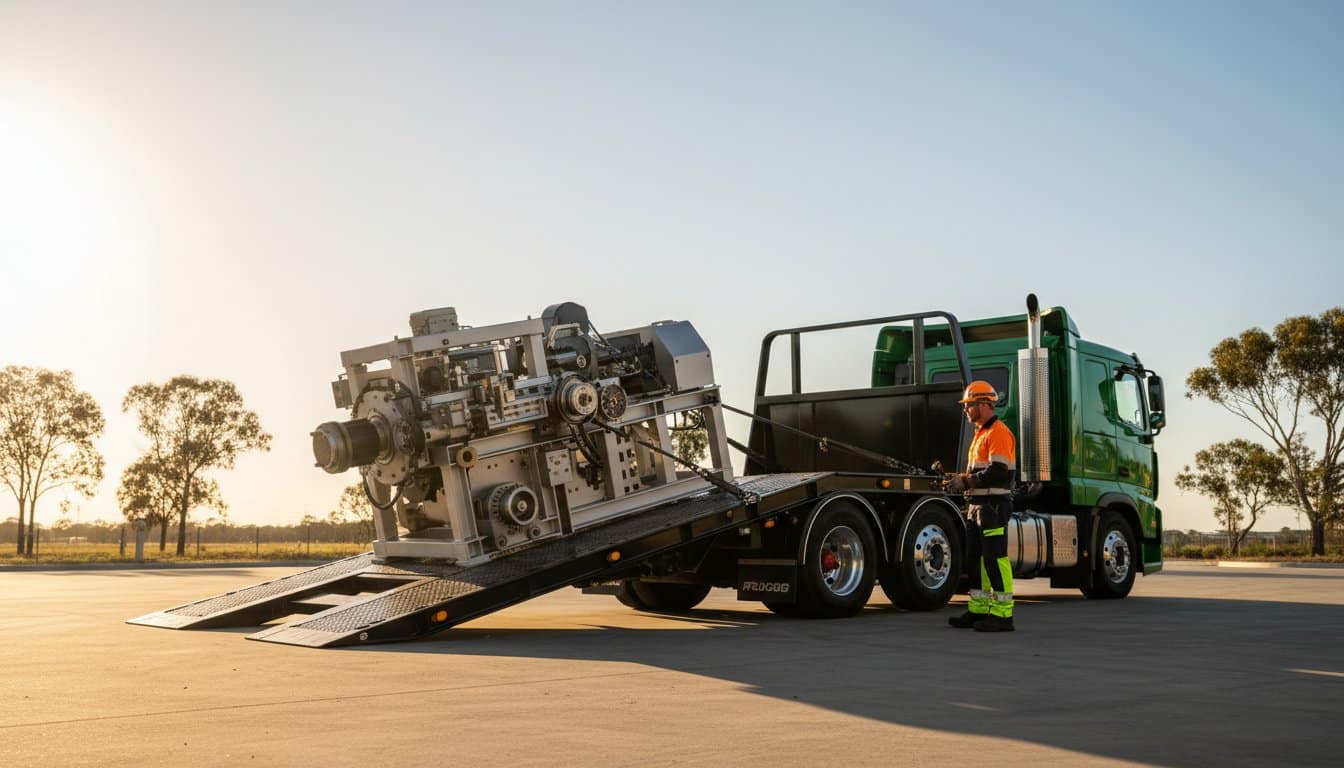
    Successful industrial machinery transport depends on the meticulous pairing of the asset with the correct specialised haulage method. We categorise these critical assets into three primary streams: earthmoving plant, manufacturing systems, and site infrastructure. Each category presents unique physical profiles and technical requirements that demand a bespoke logistical blueprint. For many self-propelled units, tilt tray trucks provide a sophisticated, self-loading solution that minimises handling risks. The hydraulic deck allows for a controlled, low-angle incline, which is vital for protecting the undercarriage and sensitive internal sensors of modern equipment. When you require reliable machinery transport, the focus remains on the technical compatibility between the transport vehicle and the load.

    Transporting non-operable or “dead” machinery introduces a significantly higher level of complexity. These assets cannot rely on their own power for loading, requiring heavy-duty winching systems and precise manual positioning by an experienced operator. The lack of operational steering or braking means the provider must exercise extreme caution to prevent structural stress during the winching process. Every chain and strap is placed with a deep understanding of the machine’s specific stress points to avoid damage during transit. This disciplined approach ensures that even a non-functional machine is treated with the same respect as a prized possession.

    Earthmoving and Construction Plant

    Relocating excavators, bobcats, and rollers requires a profound understanding of load distribution and centre-of-gravity management. Low-clearance trailers and specialised tilt trays are the essential tools for this task, as they provide the stability needed for heavy, tall loads. Adhering to OSHA safety requirements regarding equipment positioning and securement prevents dangerous load shifts on the road. Expert construction transport services treat these machines as high-value investments rather than just heavy iron, ensuring they arrive on-site ready for immediate operation.

    Site Infrastructure: Sheds and Containers

    Precision is the defining factor in site shed transport and the relocation of industrial shipping containers. These oversized structures are prone to racking if not supported correctly during the lifting and transit phases. The arrival process is equally critical; it involves meticulous levelling and placement to ensure doors align and the structure remains safe for your crew. Whether it’s a mobile office or a heavy-duty storage container, the handling process remains disciplined and methodical. For those managing a complex facility relocation, you can discuss your specific infrastructure needs with our team to ensure your site is organised correctly from day one.

    Industrial Machinery Transport: The Complete Guide to Safe Heavy Haulage in 2026

    Safety, Compliance, and Logistics in SE Queensland

    Compliance with the National Heavy Vehicle Regulator (NHVR) standards is the non-negotiable foundation of every successful project. In 2026, the Heavy Vehicle National Law reforms have introduced stricter accountability for all parties in the transport chain. This means that industrial machinery transport requires more than just a capable truck; it demands a comprehensive Safety Management System that anticipates risks before the wheels turn. We treat your equipment with the meticulous care of a guardian, ensuring every permit is secured and every regulation is met with absolute precision. This disciplined approach removes the burden of liability from your shoulders, allowing you to focus on your core operations while we manage the complex legal landscape.

    Navigating Local Regulatory Requirements

    The logistical corridor between Logan and the Gold Coast presents unique challenges for oversize and overmass (OSOM) loads. Navigating the M1 or the industrial arterials of Stapylton requires a deep understanding of local council restrictions and peak traffic windows. Large-scale industrial moves often necessitate pilot vehicles to ensure safe passage through narrow construction zones or high-traffic intersections. While we follow strict Australian standards, looking at international benchmarks like FMCSA transport regulations highlights the universal importance of rigorous safety audits. We coordinate every detail, from the initial route survey to the final site arrival, ensuring no detail is overlooked.

    The Importance of Specialised Load Restraint

    Securing heavy machinery is a matter of physics and engineering. A shifting load isn’t just a regulatory breach; it’s a catastrophic risk to the asset and the public. We utilise specialised, non-abrasive load restraint equipment to secure your machinery without damaging high-end paintwork or delicate external components. Unlike general freight carriers who might rely on standard steel chains, our methodical process involves identifying specific load-bearing points that preserve the machine’s structural integrity. We believe that “near enough” is never acceptable in industrial safety. Every tensioner and strap is checked and re-checked to maintain absolute stability during transit.

    Comprehensive insurance and high-tier licensing form the final layer of our security-focused service. We don’t just move equipment; we protect a prized possession. This elite level of handling ensures that even the most complex site-to-site relocation is executed with quiet confidence and technical proficiency. By choosing a partner that values precision over shortcuts, you eliminate the anxiety of hidden costs and unreliable arrival times. Our presence in the Stapylton hub allows us to respond with local expertise while maintaining the high standards expected by enthusiasts and industrial leaders alike.

    Preparation Checklist: Getting Your Machinery Ready for Transit

    Meticulous preparation is the silent partner of successful industrial machinery transport. While our team provides the technical proficiency and specialised equipment, the security of your asset begins long before the prime mover arrives on-site. We view the preparation phase as a shared responsibility between the owner and the “Expert Guardian” providing the haulage. By following a disciplined pre-transport protocol, you effectively eliminate the variables that lead to loading delays or damage-related disputes. This methodical approach ensures that your high-value engineering is treated with the respect it deserves, allowing for a seamless transition from its current position to the transport deck.

    Mechanical and Physical Preparation

    Securing the physical integrity of the machine involves more than just a cursory check. All articulating components, such as excavator arms or crane booms, must be lowered to their lowest possible centre of gravity and mechanically locked. Remove or independently secure all loose attachments, buckets, and internal cabin items that could shift during transit. Fluid levels should be checked for leaks, and battery isolation is mandatory to prevent electrical hazards or accidental activation. An industrial asset is considered transport-ready in 2026 when all articulating components are mechanically locked, loose attachments are independently secured, and all hazardous energy sources are isolated according to the manufacturer’s transit specifications. Taking these steps protects delicate internal systems from the unique stresses of heavy haulage.

    Site Access and Documentation

    The logistical success of a move often depends on the environment at the pickup and drop-off points. You must ensure that the designated loading area is clear of debris, level, and capable of supporting the combined weight of the machinery and the transport vehicle. Identifying overhead hazards like low-hanging power lines or branches is essential for over-dimensional loads. Documentation acts as your primary shield in risk management. Ensure all serial numbers are recorded and insurance certificates are current and accessible. Communicating site-specific hazards, such as soft ground or tight entry gates, to the transport team early allows for a more organised and methodical execution of the task. For a relocation plan tailored to your specific site requirements, contact our specialist team for a precision transport assessment.

    Proper preparation is the most effective way to de-risk the relocation of business-critical assets. When a machine is presented in a clean, isolated, and documented state, the loading process becomes a precision exercise rather than a problem-solving session. This discipline reflects the high standards of the manufacturing and construction industries we serve, ensuring that every prized possession is moved with absolute confidence and technical proficiency.

    The Done Wright Difference: Precision Transport in Stapylton

    Done Wright Towing & Transport operates on a fundamental promise embedded within our name: every task must be executed correctly the first time. We approach industrial machinery transport through the lens of an Expert Guardian, acknowledging that your equipment is a business-critical asset that demands meticulous care. By moving away from the aggressive tone of general haulage, we offer a premium, security-focused service that treats your machinery as a prized possession. Our base in the Stapylton industrial hub provides a strategic advantage, allowing us to serve the M1 corridor with unparalleled efficiency. Whether you are moving a single unit or an entire facility, our disciplined methodology ensures your engineering remains uncompromised during every stage of the journey.

    For clients managing projects that extend beyond state lines, we offer specialised interstate backloads. This service provides a methodical and cost-effective solution for long-distance relocation without sacrificing our high standards of precision. We don’t believe in shortcuts; we believe in a planned, rhythmic progression that de-risks the transport process for every customer. This commitment to reliability is why industry leaders trust Done Wright Towing & Transport to handle their most valuable investments with quiet confidence and technical proficiency.

    Local Expertise for South-East Queensland

    As a family-owned and independently operated business, we possess a deep, localised knowledge of the arterial routes connecting Logan, the Gold Coast, and Brisbane. This expertise allows us to navigate the specific logistical hurdles of the region, from local council restrictions to the complexities of the Stapylton industrial zones. We are equipped to manage both scheduled site-to-site moves and urgent breakdown recoveries with the same level of detail-oriented care. Our presence in the local community means we aren’t just a service provider; we are a reliable partner invested in the success of Queensland’s manufacturing and construction sectors.

    Why Precision Handling Matters for Your Bottom Line

    Expert handling is a direct investment in the longevity of your machinery. By utilising non-abrasive equipment and bespoke load restraint systems, we prevent the subtle structural stresses and surface damage that lead to increased maintenance costs over time. The peace of mind that comes from a fully licensed and insured transport partner allows you to focus on your core business objectives without the anxiety of regulatory breaches or equipment failure. Done Wright Towing & Transport provides the steady, structured logistics required to keep your operations moving forward. To secure your next move with a team that values engineering and craftsmanship, request a professional machinery transport quote today.

    Securing the Future of Your Industrial Operations

    Successfully managing industrial machinery transport in 2026 requires a disciplined blend of regulatory foresight and technical precision. By adhering to the updated NHVR standards and following a methodical preparation protocol, you protect both your financial investment and your operational timeline. You’ve learned that treating heavy equipment as a prized possession, rather than just a logistical task, is the definitive way to ensure zero-damage delivery across every project.

    Done Wright Towing & Transport provides the elite handling your assets deserve through our specialised tilt tray fleet and deep expertise in the Stapylton and South-East Queensland industrial zones. We’re fully licensed and insured for heavy haulage; this offers you the peace of mind that comes from a partner who understands the high stakes of your industry. Choosing a provider with expert local knowledge ensures that your site-to-site logistics are executed with quiet confidence and technical proficiency.

    Get Your Machinery Moved Safely with Done Wright Towing & Transport and experience the certainty of a relocation performed with absolute precision. Your machinery is ready for its next project; let’s ensure it arrives in pristine condition and ready to work immediately.

    Frequently Asked Questions

    How much does industrial machinery transport cost in SE Queensland?

    Transport costs are determined by the asset’s specific dimensions, total weight, and the distance travelled across the South-East Queensland corridor. While industry averages for construction machinery often start from $4.50 per kilometre, your total investment will depend on the complexity of the load. Factors such as the requirement for pilot vehicles or specialised Oversize/Overmass (OSOM) permits will influence the final cost structure for your relocation.

    Do I need special permits to move my machinery on public roads?

    Permits are mandatory for any industrial load that exceeds standard legal dimensions for width, height, or weight. The National Heavy Vehicle Regulator (NHVR) manages these requirements to ensure road safety and infrastructure protection. It’s essential to verify the exact dimensions of your equipment early so that any necessary OSOM permits or pilot vehicle arrangements can be organised well before the scheduled move date.

    What is the best way to secure an excavator for transport?

    Securing an excavator requires lowering the boom and bucket to the trailer deck and engaging all mechanical locks to prevent movement. You must use the designated tie-down points specified by the manufacturer to avoid structural stress or deformation of the chassis. Utilising non-abrasive, high-tensile restraints ensures the machine remains stable without damaging the high-end finish or sensitive hydraulic lines during transit.

    Does my business insurance cover my machinery while it is on a tow truck?

    Standard business insurance policies frequently exclude or strictly limit coverage for assets while they are in transit on a third-party vehicle. It’s vital to consult your insurance provider to confirm your current level of protection for off-site movements. Choosing a transport partner that maintains comprehensive, high-tier transit insurance provides a critical layer of security and peace of mind for your business-critical equipment.

    Can you transport non-operable or broken-down industrial equipment?

    Non-operable or broken-down equipment can be safely relocated using specialised winching systems and heavy-duty loading methods. This process requires a disciplined, methodical approach to ensure the winching points can handle the load without causing structural damage. Our team specialises in these complex recoveries, treating every non-functional machine with the same meticulous care and respect as a functional, prized possession.

    What is a tilt tray truck, and why is it used for machinery?

    A tilt tray truck features a hydraulic deck that inclines to ground level, allowing machinery to be driven or winched directly onto the platform. This vehicle is preferred for industrial machinery transport because it provides a controlled, low-angle loading process that protects the undercarriage. It eliminates the need for external ramps or cranes, significantly reducing the risks associated with loading and unloading precision engineering.

    How far in advance should I book my machinery relocation?

    Booking your relocation at least two to four weeks in advance is highly recommended to secure your preferred timeline and ensure equipment availability. If your move requires specific permits or the coordination of pilot vehicles, additional lead time is necessary to satisfy regulatory bodies. Early booking allows for a structured planning process that ensures every safety standard is met with quiet confidence and technical proficiency.

    What information do I need to provide for an accurate transport quote?

    To receive a precise quote, you must provide the exact dimensions (length, width, height) and the verified weight of the machinery. Detailed information regarding the machine’s operability and the specific site access conditions at both the pickup and delivery points is also essential. This data allows for the selection of the correct specialised vehicle and the planning of a secure, compliant route for your asset.