Tag: Logan

  • Construction Transport in Stapylton & Logan: A Guide to Site Logistics

    Construction Transport in Stapylton & Logan: A Guide to Site Logistics

    A project manager in Logan recently saw a 14-day project timeline expand by 40% after a single transport delay stalled their site setup. It’s a common frustration across the South East; you’ve invested heavily in high-value assets, yet the logistics of construction transport often feel like a gamble against local council permits and potential transit damage. You already know that every hour your machinery sits idle is money off your bottom line, and you need a partner who treats your equipment with the same respect as a prestige investment.

    We’re here to help you master these logistical complexities with the same meticulous care and professional authority that defines our service. This guide provides a clear roadmap for moving machinery, site sheds, and containers through Stapylton and Logan with absolute precision. We’ll explore how to achieve zero-damage delivery through accredited handling techniques and how to navigate the specific QLD transport regulations that ensure your project stays on track and remains fully compliant.

    Key Takeaways

    • Understand the strategic importance of the Stapylton-Logan corridor and how to define specialised relocation requirements for South-East Queensland project sites.
    • Discover the essential equipment needed for efficient construction transport, from versatile tilt tray trucks to specialised trailers for oversized machinery.
    • Learn how to manage the logistical complexities of moving site sheds and shipping containers while ensuring internal fittings and structural integrity remain protected.
    • Master the planning process by conducting site access audits and navigating Queensland TMR regulations for the safe movement of oversized loads.
    • Explore why adopting an “Expert Guardian” approach ensures your site infrastructure is handled with the same meticulous care as a high-value prestige vehicle.

    What is Construction Transport in the SE QLD Context?

    Construction transport represents a disciplined, highly technical field focused on the relocation of building materials, machinery, and site infrastructure. Unlike standard breakdown services, this specialised sector requires a meticulous approach to load distribution and asset security. In the South East Queensland corridor, specifically around Stapylton and Logan, Logistics management has become the backbone of regional development. Professional providers treat every piece of machinery as a high-value investment, applying the same precision used for performance and classic vehicles to industrial assets.

    Standard towing often lacks the specialised equipment and insurance frameworks necessary for site-specific requirements. Professional construction transport involves a fleet of licensed, accredited, and fully insured tilt trays designed for heavy-duty tasks. The core assets handled daily range from 1.5-tonne mini-excavators and scissor lifts to 20ft shipping containers and portable site offices. Using soft-strap technology and damage-prevention techniques ensures that expensive equipment arrives in the same condition it left the yard, maintaining the integrity of the contractor’s investment.

    The Role of Logistics in Project Timelines

    A single transport delay often creates a cascade of idle labour costs and missed milestones across a building project. Efficiency relies on a “just-in-time” delivery model where site sheds, tools, and plant equipment arrive exactly when needed to avoid site congestion. Construction transport is the vital link between yard storage and site productivity. By maintaining a steady, structured flow of assets, contractors can avoid the logistical bottlenecks that frequently plague large-scale developments in growing suburbs.

    Key Locations: Stapylton to the Gold Coast

    The Yatala Enterprise Area (YEA) serves as the primary engine room for industrial activity between Brisbane and the Gold Coast. Covering approximately 3,000 hectares of industrial-zoned land, this hub requires constant movement of heavy assets to support the rapid growth in Logan and the North Gold Coast residential sectors. Navigating the M1 Pacific Motorway presents unique challenges, particularly with heavy transport loads during peak congestion periods. Reliable transport providers plan routes with precision to ensure site schedules remain intact despite the unpredictable nature of Queensland’s busiest transit corridor. This regional focus ensures that projects in Pimpama, Ormeau, and Loganholme receive the same elite handling as those in the heart of the city.

    Essential Equipment for Construction Site Logistics

    Efficient site management in Stapylton and Logan relies on more than just horsepower. It requires a fleet designed for the specific challenges of construction transport. The right equipment ensures that high-value assets arrive in the same condition they left the factory, avoiding the costly delays associated with transit damage or improper handling. Done Wright utilises a sophisticated range of vehicles to meet these demands, focusing on technical precision over brute force.

    Tilt Tray vs. Low Loader: Choosing the Right Fleet

    Selecting the correct vehicle depends on the weight and the structural integrity of the load. Tilt tray trucks are the versatile workhorses of the fleet, offering rapid loading for site sheds and smaller machinery. Their primary advantage is ground-level loading. By tilting the tray to a shallow angle, operators can slide a fragile site office or container directly onto the slab with millimetre precision. This eliminates the need for expensive secondary crane hire on many Logan projects.

    Heavy earthmovers, such as 30-tonne excavators, require the stability of a low loader. These trailers provide a lower centre of gravity, which is essential for navigating the undulating terrain found across South East Queensland. Done Wright configures its fleet to handle these specific regional variations, ensuring every piece of equipment, from a compact skid-steer to a massive generator, is paired with the optimal transport platform. For a detailed overview of how specialised tilt-tray precision protects your investment, see our guide to reliable machinery transport in Stapylton, Logan and the Gold Coast.

    Securing the Load: Beyond Standard Chains

    The security of a load isn’t just about preventing it from falling off. It’s about protecting the asset’s finish and structural points. While standard chains are sufficient for raw steel, they often cause surface abrasions on painted site sheds or prestige machinery. We employ soft-strap technology to mitigate this risk. These industrial-grade, non-abrasive straps distribute pressure evenly, securing the load without marring the exterior. This level of care is a hallmark of professional transport services that treat every asset as a significant investment.

    • Winching Capabilities: Integrated heavy-duty winches allow for the recovery and transport of non-operational machinery, ensuring a broken-down asset doesn’t stall site progress.
    • Load-Rating Compliance: Every strap and chain meets the 2023 Australian Load Restraint Guide standards, providing peace of mind for site managers.
    • Comprehensive Insurance: High-value construction assets are protected by full transit insurance, covering the transport process from pick-up to final placement.

    Precision in construction transport means understanding the engineering of the load. Whether it’s a non-operational roller or a high-spec site office, using the correct securement method prevents structural stress during transit. This disciplined approach to site logistics reduces risk and maintains the professional standards expected on modern Queensland work sites.

    Construction Transport in Stapylton & Logan: A Guide to Site Logistics

    Site Sheds and Containers: The Backbone of Site Setup

    Site establishment in Stapylton relies on the seamless arrival of infrastructure. If a 20ft container or a site office isn’t positioned correctly, the entire project timeline suffers. Efficient construction transport ensures these heavy assets reach the site without structural strain or internal damage. It’s a process that requires disciplined planning and a focus on safety standards to protect the financial investment these units represent.

    Shipping Container Relocation Strategies

    Moving 10ft and 20ft containers requires more than just raw power. It demands a methodical approach to weight distribution. Before the tilt tray arrives, you must ensure all internal contents are secured to prevent shifting during transit. This prevents the unit from becoming unbalanced on the tray. Clear access is vital; a standard tilt tray requires approximately 20 metres of straight-line clearance to safely offload. Professional shipping container transport providers prioritise this site assessment to avoid delays. They ensure the ground is stable enough to support the concentrated weight of the container once it’s set down.

    Site Shed Logistics: Offices and Amenities

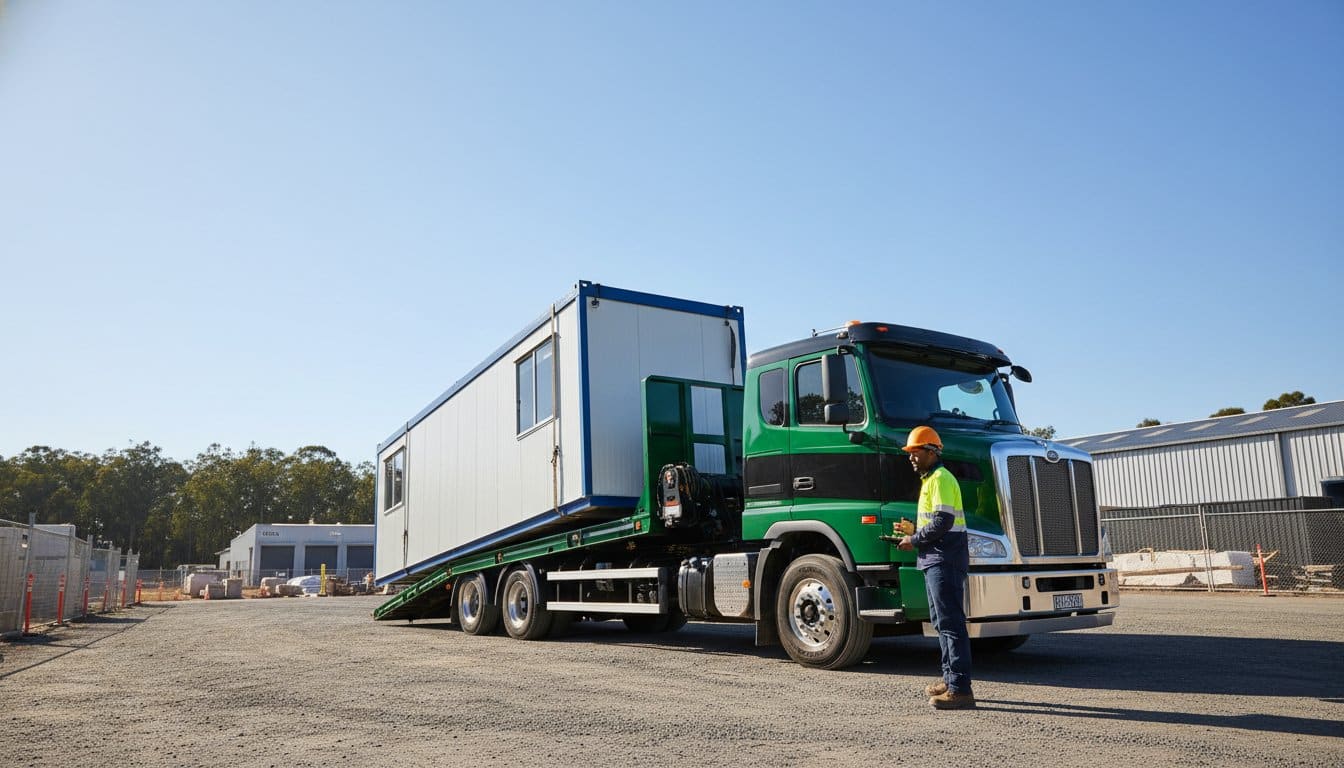
    Relocating lunchrooms and ablution blocks involves protecting sensitive external fittings. Plumbing connections and electrical inlets are particularly vulnerable during the lift and tilt process. In Logan and Gold Coast suburbs, “wide-bay” sheds are common, requiring specific route planning to account for narrow local roads and overhead obstacles. Professional handling prevents structural twisting. This is a common issue where the frame of a portable building warps during an unskilled move, causing doors to jam and windows to crack. For a comprehensive breakdown of how to prevent this structural racking and ensure millimetre-precise placement, our guide to expert site shed transport for SE QLD construction sites details the technical approach required. Using soft-strap techniques and specialised cradles keeps the integrity of the building intact.

    The precision of “levelling” during the drop-off is a critical final step. A shed that’s even 20 millimetres out of alignment can lead to poor drainage in ablution blocks or doors that won’t lock securely. Expert construction transport operators use high-grade levelling tools and packing materials to ensure the unit is perfectly balanced on its footings before they leave the site.

    To manage project budgets effectively, many site managers in Stapylton utilise “backloads.” By synchronising the removal of a shed from a finished project with the delivery of a container to a new one, transport costs can be reduced by up to 30%. This structured approach to logistics ensures that every move is as cost-effective as it is secure.

    Planning and Compliance for Logan & Gold Coast Sites

    Successful construction transport depends on a disciplined, detail-oriented approach to logistics. In the Stapylton and Logan corridors, the mix of high-density residential zones and heavy industrial hubs creates a complex regulatory environment. Site managers need to conduct a comprehensive access audit before any equipment arrives to prevent safety breaches or expensive project delays. This methodical preparation ensures every asset is handled with the same meticulous care we apply to prestige automotive transport.

    Navigating Local Regulations and Permits

    Compliance begins with understanding the Queensland Department of Transport and Main Roads (TMR) regulations. If your load exceeds 2.5 metres in width or 4.3 metres in height, specific permits are required to move through Logan and Gold Coast council areas. For loads wider than 3.5 metres, TMR often mandates the use of accredited escort vehicles to manage traffic flow. You’ll also need to account for Logan City Council noise ordinances; these typically restrict heavy machinery movement between 6:30 pm and 6:30 am in residential zones. Site managers should use the following checklist to verify compliance:

    • TMR Oversized Permits: Confirm all current permits are secured for the specific dimensions of the load.
    • Council Road Occupancy: Obtain permits for any kerbside unloading that blocks public thoroughfares in Stapylton.
    • Route Clearance: Verify that the transport route avoids low bridges or weight-restricted roads.
    • Time-of-Day Restrictions: Ensure arrival times align with local noise and traffic curfews.

    Site Access and Safety Protocols

    Professional construction transport operators prioritise risk mitigation from the moment they enter a job site. This involves identifying overhead hazards such as low-hanging power lines and overhanging trees that could damage high-value equipment. During the critical unloading phase, a dedicated spotter must be present to manage blind spots and ensure the safety of ground personnel. We define a site-ready location as having a clear, level path for the transport vehicle that is free of debris and capable of supporting the gross vehicle mass without subsidence. This level of precision is what separates an elite transport partner from a standard service. Our team is fully insured and licenced, providing the security-focused machinery transport service your project requires.

    To ensure your high-value assets are moved with expert care across Queensland, contact the specialists at Done Wright Towing & Transport for a professional logistics assessment.

    Why Done Wright is the Choice for SE QLD Builders

    Builders across Stapylton and Logan work within high-pressure environments where timing is everything. Done Wright understands that your site sheds, containers, and heavy equipment are the lifeblood of your operation. We act as an “Expert Guardian” for these assets, providing a level of care that exceeds standard industry expectations. Our local expertise allows us to navigate the specific logistical challenges of South East Queensland with precision. We maintain full licensing and comprehensive insurance to ensure every project remains compliant and protected from start to finish.

    Our presence in the Stapylton industrial hub gives us a strategic advantage. We can rapidly deploy to sites across Logan and the Gold Coast, reducing the lead times that often stall major projects. We don’t view a site shed as just a metal box; we treat it with the same respect as a high-value vehicle. This meticulous approach is why civil and commercial contractors trust us with their most critical relocations. We focus on the details so you can focus on the build.

    The Done Wright Difference in Machinery Transport

    Our background in high-value logistics sets us apart from general carriers. We apply the same rigorous safety protocols to machinery transport as we do to our luxury vehicle services. By integrating prestige car transport principles into an industrial setting, we eliminate the risk of damage during transit. We use soft-strap systems and methodical loading procedures to protect your fleet from scratches, structural stress, or shifting. This disciplined approach prevents the costly delays often caused by equipment damage or improper handling on-site. We take pride in doing it right the first time, every time.

    Booking Your Next Site Relocation

    Efficiency in construction transport relies on clear communication and technical accuracy. When you contact our team for a relocation quote, we focus on the specific details that ensure a smooth transition. To provide an accurate assessment, we require the following information:

    • Exact Dimensions: The length, width, and height of the load to determine the correct trailer requirements.
    • Weight Specifications: Accurate weight data ensures we stay within legal load limits and maintain site safety.
    • Site Access Details: Information regarding low-hanging branches, power lines, or soft ground that might impact the tilt tray operation.

    We aim to build long-term partnerships with SE QLD builders, acting as a reliable extension of your logistics team. Whether you are managing a small private build or a massive civil infrastructure project, our structured process de-risks the transport phase. Contact our Stapylton office today to coordinate your next construction transport requirement with a team that values precision and reliability above all else.

    Secure Your Project Timeline with Expert Site Logistics

    Successful builds in South East Queensland depend on more than just heavy machinery. They require the disciplined coordination of site sheds, containers, and essential equipment. When you manage logistics in Stapylton and Logan, navigating local council regulations and tight site access is the difference between a project that stays on schedule and one that stalls. Done Wright Towing & Transport provides the technical proficiency needed to move your high-value assets without risk. We’re fully licensed and insured, operating as dedicated specialists in Stapylton and Logan logistics for local builders. Our team uses expert soft-strap handling for every asset; this ensures your site infrastructure arrives in the exact condition it left. This meticulous approach to construction transport removes the uncertainty from your site setup. We’re ready to help you maintain a safe, compliant, and efficient workspace across the Gold Coast and the M1 corridor. Precision is our standard.

    Request a Construction Transport Quote from Done Wright

    Frequently Asked Questions

    Do I need a permit to move a site shed in Logan or the Gold Coast?

    You generally require a permit if the site shed exceeds standard dimension limits of 2.5 metres in width or 4.3 metres in height. Both Logan City Council and the City of Gold Coast enforce strict regulations for wide loads to ensure road safety. Our team manages these logistical requirements, ensuring all necessary NHVR (National Heavy Vehicle Regulator) approvals are secured before we commence your construction transport. This prevents delays and avoids potential fines from local authorities.

    Can you move a shipping container that is still partially loaded?

    We can move partially loaded shipping containers provided the contents are safely secured and the total weight remains within legal axle limits. Unsecured items shift during transit, which poses a significant risk to the vehicle’s stability and the structural integrity of the container. We recommend a maximum internal load of 2,000 kilograms for standard 20-foot containers moved via tilt tray. Our operators inspect every load to confirm it meets our rigorous safety and security standards.

    What is the maximum weight a standard tilt tray can transport?

    A standard medium-rigid tilt tray typically handles a maximum payload of approximately 6,500 kilograms. For heavier construction equipment or larger site offices, we utilise heavy-rigid configurations that extend this capacity to 10,000 kilograms or more. Precision is vital when calculating these weights to ensure compliance with Queensland Transport regulations. We verify the specifications of your machinery or materials during the booking process to ensure we dispatch the correct vehicle for your specific site requirements.

    How much notice is required to book construction transport in Stapylton?

    We recommend providing at least 24 to 48 hours of notice to secure your preferred time slot for construction transport in Stapylton. While we often accommodate same-day requests for urgent site shifts, advanced booking allows our team to conduct a thorough route assessment and prepare any specialised equipment. Our proximity to the Yatala enterprise area means we can respond rapidly to local projects. This ensures your project timeline remains on track without unnecessary downtime.

    Are your transport services fully insured for high-value machinery?

    Your high-value machinery is protected by our comprehensive transit insurance and public liability coverage. We understand that prestige equipment represents a significant investment, so we apply the same meticulous care to site gear as we do to performance vehicles. Our “Expert Guardian” approach includes using soft-strap technology and specialised tie-down points to prevent any surface damage or structural stress. You’ll receive full documentation of our accreditation and insurance certificates upon request for your peace of mind.

    Can you assist with interstate transport for construction equipment?

    We provide interstate transport services for construction equipment across the eastern seaboard, including regular routes between Queensland and New South Wales. Our Stapylton base serves as a strategic hub for long-haul logistics, allowing us to coordinate movements from the Gold Coast to Sydney or Melbourne efficiently. We handle all the interstate regulatory paperwork and permit applications required for heavy machinery. This end-to-end service ensures your assets arrive safely and on schedule regardless of the distance.

    What happens if site access is restricted on the day of delivery?

    If site access is restricted on delivery day, our drivers will immediately contact your site manager to coordinate an alternative drop-off point or wait for the obstruction to clear. We utilise advanced GPS tracking and real-time communication to stay ahead of potential delays like roadworks or tight entry points. If a site is inaccessible for more than 30 minutes, we work with you to reschedule or redirect the load. This proactive management keeps your logistics moving and minimises additional standing-time charges.

    Do you provide backload rates for moving equipment between Gold Coast sites?

    We offer competitive backload rates for equipment moving between Gold Coast sites when our vehicles are already scheduled for nearby deliveries. This service reduces transport costs by utilising empty return legs, which is particularly beneficial for smaller contractors or multi-site projects. By coordinating your schedule with our existing routes, you can save on the standard call-out fees. We suggest checking our weekly schedule to see if a backload opportunity aligns with your upcoming equipment transfers.
  • The Ultimate Shipping Container Relocation Checklist for Stapylton & Logan

    The Ultimate Shipping Container Relocation Checklist for Stapylton & Logan

    Last Tuesday, a Logan property owner watched a 2.5-tonne empty unit sink into the notorious South-East Queensland black soil because the site wasn’t properly assessed for a heavy tilt-tray. It’s an expensive mistake that often results from a lack of technical preparation. We understand that a successful container relocation requires more than just a truck; it demands a meticulous approach to ground conditions and local regulations. You likely feel the weight of uncertainty regarding Gold Coast or Logan council permits and the fear of structural damage during the loading process.

    Our team at Done Wright Towing & Transport believes every asset deserves the same elite handling we provide for performance and classic cars. We’ve compiled this essential site preparation checklist to help you master your move and avoid the pitfalls of the Stapylton terrain. You’ll learn exactly how to stabilise your site, navigate 2024 local government requirements, and ensure a damage-free transition for your property. This guide provides the clear roadmap you need for a reliable, professional transport experience across Queensland.

    Key Takeaways

    • Master the essential measurements for vertical and horizontal clearance to ensure a seamless, damage-free delivery to your specific site.
    • Learn how to assess ground stability following South-East Queensland summer storms to prevent equipment bogging or site subsidence.
    • Identify whether a tilt tray or side loader is the superior choice for your 40ft container relocation based on space constraints and unit weight.
    • Navigate the complexities of Logan and Gold Coast City Council permit requirements and learn to time your move to avoid M1 Pacific Motorway peak-hour congestion.
    • Discover how our strategic Stapylton hub and meticulous “Done Wright” standards provide the expert care and security your high-value assets deserve.

    Understanding Container Relocation in South-East Queensland

    Moving a 20-foot steel box isn’t a simple tow. It’s a complex logistical manoeuvre requiring precision engineering and specialised equipment. In South-East Queensland, container relocation has evolved into a disciplined service that demands more than just a truck. Stapylton serves as the critical industrial hinge for this region. Positioned exactly 38 kilometres from the Brisbane CBD and 41 kilometres from the Gold Coast, this suburb provides the most efficient staging ground for heavy assets moving across the M1 corridor. For residents and businesses in Logan, the process involves navigating two distinct environments: the high-density residential streets of Logan Central and the expansive, often soft-soiled acreage blocks of Jimboomba or Munruben.

    The complexity of the job changes significantly based on the load. Transporting an empty unit is straightforward, but a “self-pack” relocation involves moving a client’s entire life or inventory. These loaded units present a shifting centre of gravity that requires a methodical approach to transit. As of 2024, transport data indicates that 65% of regional relocation delays stem from inadequate site preparation or using the wrong class of vehicle for the specific terrain. Whether you’re moving a home office or a full workshop, the success of the move depends on a provider who treats the asset with the same care as a performance vehicle. Understanding the full scope of a professional container towing service — from equipment selection to ground preparation — is the foundation of a damage-free outcome.

    Why Precision Matters for Your Steel Box

    Structural integrity is the primary concern during any container relocation. Improper lifting techniques cause “wracking,” a condition where the rectangular frame twists. Even a 5-millimetre deviation can prevent the heavy locking bars from sealing correctly, compromising security and weatherproofing. We apply “soft-loading” principles, a technique usually reserved for prestige car transport, to ensure the transition from ground to tray is seamless. This level of care is vital in Queensland, where high humidity and sudden 40mm downpours can turn a standard driveway into a bog. A local specialist understands how QLD clay reacts under the 10-tonne pressure of a loaded delivery vehicle.

    Standard Container Sizes and Weight Limits

    Most regional transport involves the Intermodal container, which typically comes in 10ft, 20ft, and 40ft lengths. Understanding the weight thresholds is critical for compliance with Queensland Department of Transport and Main Roads (TMR) regulations. A standard 20ft unit has a tare weight of approximately 2.3 tonnes, but once loaded, it can easily exceed 10 tonnes. While a standard tilt tray is sufficient for empty units, heavy self-pack containers often require specialised heavy-duty platforms. If a load exceeds 2.5 metres in width or specific axle weight limits, it may require Oversize signage or specific permits to legally traverse Logan’s road network.

    • 10ft Units: Popular for tight Logan residential blocks and small-scale storage.
    • 20ft Units: The industry standard for residential moves and site sheds.
    • 40ft Units: Generally require semi-trailer access and significant turning circles.
    • Weight Compliance: Always verify your gross weight to avoid heavy fines at TMR checking stations.

    The Meticulous Site Preparation Checklist

    Successful container relocation depends on more than just a powerful truck. It requires a disciplined approach to site logistics to ensure your asset arrives without a scratch. At Done Wright Towing & Transport, we treat every delivery with the same precision we apply to prestige vehicle transport. A site that isn’t properly prepared can lead to structural damage or costly delays. Follow these five steps to safeguard your property and your container.

    • Step 1: Measuring clearances. You must verify both vertical and horizontal paths. A standard tilt tray requires at least 3 metres of width and 4.5 metres of height to operate safely.
    • Step 2: Assessing ground stability. Logan’s clay-heavy soil can shift rapidly after QLD summer storms. A loaded container exerts massive point pressure that can sink into soft earth.
    • Step 3: Clearing the swing zone. The truck needs ample room to manoeuvre its rear end into position. Remove all parked cars, equipment, or debris within a 15-metre radius of the drop point.
    • Step 4: Levelling the landing site. If the ground is uneven by even a few degrees, the container frame may rack. This slight twist causes doors to jam, making them nearly impossible to open.
    • Step 5: Final walk-through for overhead hazards. Scan the area for low-hanging power lines, data cables, or tree branches. These are often overlooked until the tray is mid-tilt.

    Measuring Your Access Points

    Precision is the hallmark of a professional delivery. Your access gates must provide a minimum 3-metre clearance, but we recommend 3.5 metres to allow for the truck’s mirrors and natural pivot. Check your gate hinges and fence lines for any protrusions that could catch the vehicle. The “Straight Line” rule is vital here; a tilt tray typically requires 20 metres of straight-line space to offload a 20-foot container, and up to 40 metres for a 40-foot unit. If your driveway has a sharp bend, the truck may not be able to align correctly for the drop.

    Ground Conditions and Foundations

    The geography of Logan and Stapylton presents unique challenges, particularly on acreage blocks. Identifying “soft spots” is essential, as a 10-tonne vehicle can easily become bogged in saturated turf. To prevent this, we advise using heavy-duty timber sleepers or concrete pads at the four corners where the container will rest. This distributes the weight and prevents the steel from rusting in direct contact with damp soil. Safety is our priority, and managing the risks of transporting freight in shipping containers involves ensuring the destination can support the load without shifting. If you’ve had more than 20mm of rain in the last 24 hours, it’s often best to reschedule to ensure a damage-free delivery. For those seeking a seamless transition, our professional transport services provide the expertise needed for complex placements.

    The Ultimate Shipping Container Relocation Checklist for Stapylton & Logan

    Choosing the Right Equipment: Tilt Trays vs. Side Loaders

    Selecting the correct vehicle for your container relocation determines how safely and efficiently the unit lands at its destination. In the industrial and semi-rural pockets of Stapylton, where driveways can be narrow or unsealed, the machinery choice is never an afterthought. Done Wright Towing & Transport maintains a fleet specifically configured for the varied landscapes of Logan, ensuring that whether you are moving a 10ft garden shed or a 40ft site office, the equipment matches the load’s physical requirements.

    The Tilt Tray Advantage

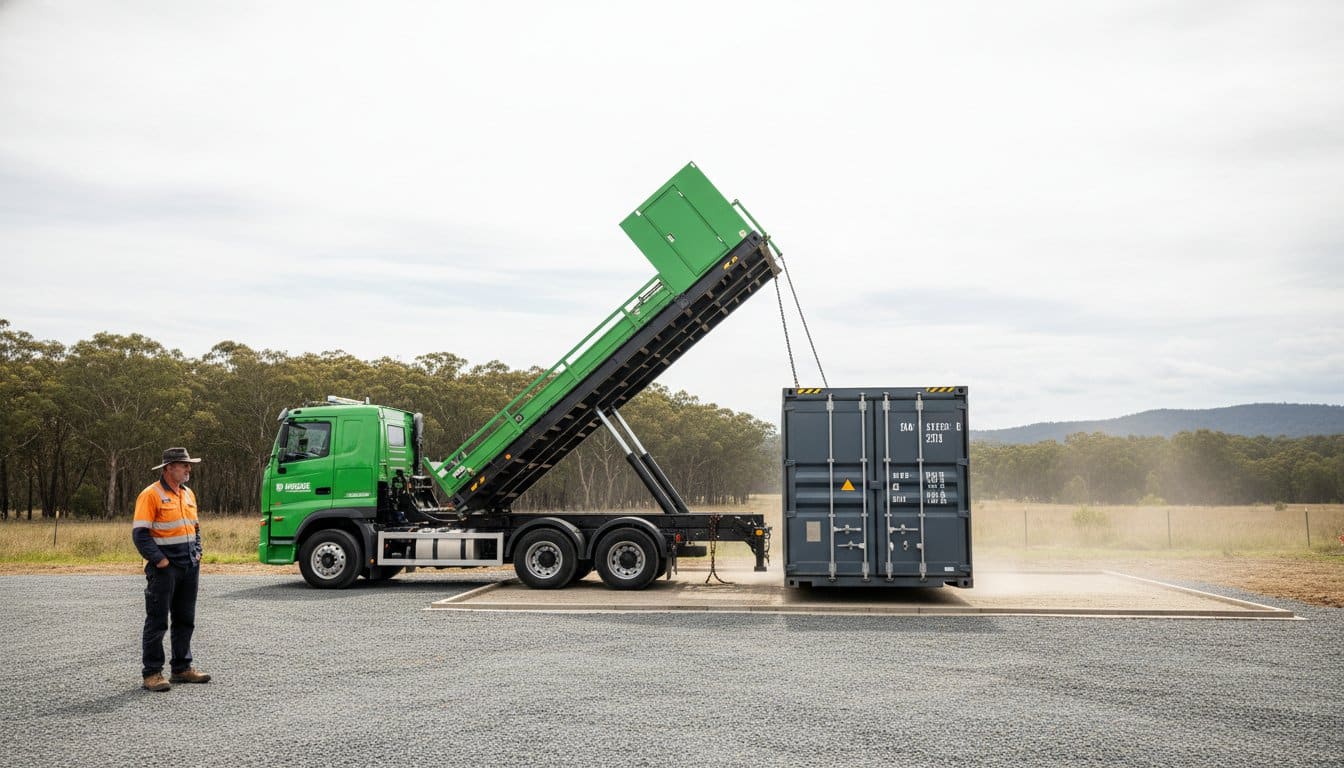
    For roughly 85% of residential moves in Logan, the tilt tray remains the superior choice. This vehicle uses a hydraulic bed that tilts to the ground, allowing the container to slide off gently as the truck moves forward. The tilt tray is the “Swiss Army Knife” of transport because it combines hydraulic versatility with the ability to slide a container into position without needing secondary lifting equipment. This method offers precision placement, letting our operators tuck a unit into a corner or flush against a fence line with millimetre accuracy.

    Local moves often benefit from the higher availability and lower operational costs of tilt trays compared to heavy-lift cranes. Because these trucks have a smaller footprint, they navigate tight residential streets in Logan more effectively than larger articulated vehicles. We choose specific 8-wheel or 10-wheel configurations for Stapylton’s diverse terrain to provide the stability needed on uneven or soft ground.

    While tilt trays handle most 20ft units with ease, a side loader becomes necessary for 40ft units or sites where there isn’t enough room to pull forward. Side loaders use two hydraulic cranes to lift the container vertically and place it directly beside the truck. This is the preferred method when the container must be dropped in a space only slightly larger than the unit itself. Our detailed guide to container towing service equipment selection covers the technical differences between these vehicle types and how Queensland mass limits affect your choice.

    Safety Gear and Securing the Load

    Our commitment to safety mirrors the meticulous standards we apply to prestige car transport across Queensland. We treat a steel container with the same level of care as a high-value performance vehicle. This begins with the use of heavy-duty, 10-tonne rated winches and high-tensile chains that prevent any shifting during transit. Every operator follows the industry best practices outlined in the Safe Transport of Containers guide to manage load distribution and risk.

    To prevent structural damage or cosmetic scratching, we utilise specialised “soft-strap” systems and protective padding at contact points. Before hitting the M1, our team performs a final multi-point check:

    • Twist-locks: Ensuring the container is mechanically locked to the tray.
    • Winch Tension: Verifying the load is balanced and secured against lateral movement.
    • Weight Distribution: Checking that the centre of gravity is positioned over the rear axles for maximum stability.

    By applying these rigorous standards to every container relocation, we ensure your asset arrives in the same condition it left, regardless of the distance or the difficulty of the terrain.

    Executing a successful container relocation involves more than just mechanical force; it requires strict adherence to local government bylaws and strategic timing. The transition between Logan City and the Gold Coast involves two distinct regulatory frameworks that can stall a move if ignored. Professional transport isn’t just about the truck; it’s about managing the paperwork and the path to ensure a seamless arrival.

    Council Permits and Street Access

    Logan City Council requires a “Work on Council Land or Road Reserve” permit if your container will sit on a nature strip or road at any point. On the Gold Coast, verge placement is governed by similar strictures. Current 2024 fee schedules for Gold Coast road reserve permits typically start around A$156 for minor applications, though these costs vary based on the duration of the placement. You’ll need to apply at least 10 business days in advance to avoid delays.

    Street access is a matter of both law and etiquette. We recommend notifying neighbours at least 48 hours before the move. A large tilt tray truck needs significant swing room. Ensuring the street is clear of parked cars makes the process faster and safer for everyone involved. It’s this level of meticulous planning that separates a premium service from a standard tow.

    Transit Route Planning

    The M1 Pacific Motorway is the primary artery for any move involving Stapylton, but it’s notoriously volatile. We schedule moves to avoid the heavy congestion windows of 6:30 AM to 9:00 AM and 3:30 PM to 6:30 PM. Beyond the motorway, the Stapylton hinterland presents specific hazards like low-clearance bridges and 5-tonne weight-restricted roads. GPS units often fail to account for these heavy-vehicle limitations.

    Local drivers provide a distinct advantage here. They understand the “back roads” of South-East Queensland and can navigate around school zones during restricted hours. This expert knowledge ensures your asset isn’t idling in traffic or forced into a dangerous U-turn due to an unexpected height restriction.

    Insurance and Liability Standards

    Don’t accept “she’ll be right” when it comes to coverage. A professional operator maintains specific “Goods in Transit” insurance that covers the container during loading, transit, and unloading. This is separate from standard vehicle insurance. We also recommend verifying that the provider holds a minimum of A$20 million in Public Liability insurance. This protects you against property damage during the complex manoeuvres required for precise placement.

    For private property removals involving disputed sites, legal clarity is essential. We require documented proof of ownership or a signed release form before we can legally move a container from a third-party location. This disciplined approach protects all parties and ensures the container relocation is handled with total integrity.

    If you need a team that treats your assets with the care they deserve, book your professional transport service with Done Wright Towing & Transport today.

    The Done Wright Difference: Container Relocation Done Right

    Choosing a local partner for your transport needs makes a functional difference in the success of your project. Our family-owned Stapylton base isn’t just a depot; it’s the strategic hub for our South East Queensland operations. Being situated right in the heart of the industrial corridor allows us to respond rapidly to requests across Logan and the surrounding suburbs. We’ve built our reputation on the “Done Wright” promise, which means every container relocation is handled with the same level of meticulous care we apply to high-value prestige and performance vehicles. We don’t see a steel box; we see your workshop, your inventory, or your future home office.

    Our experience extends far beyond standard shipping units. We’ve successfully managed the transport of complex site sheds, heavy machinery, and specialty oversized equipment for various industrial sectors. This diverse expertise ensures that we understand the unique weight distributions and structural requirements of modified containers. We use professional-grade equipment and proven loading techniques to ensure your assets arrive in the exact condition they left.

    Expert Guardians of Your Assets

    We operate as the “Expert Guardian” of your property. This disciplined, detail-oriented approach is designed to reduce client stress by removing the guesswork from the transport process. We understand the emotional and financial stakes involved in moving large assets. Local Logan businesses and residents rely on us because we treat every job with professional authority. A local construction manager recently shared that our methodical approach to a multi-container move saved them significant downtime by ensuring every unit was levelled perfectly upon arrival. It’s this commitment to precision that separates a premium transport service from a standard towing company.

    Get a Quote for Your Relocation

    To provide a transparent price with no hidden surprises at the end of the job, we start with a thorough assessment. We’ve found that clarity at the beginning prevents complications later. When you reach out, please have the following information ready:

    • The exact dimensions and estimated weight of the container.
    • Details of any modifications, such as glass sliding doors or internal shelving.
    • Clear photos of the access points at both the pick-up and drop-off locations.
    • Information regarding overhead obstacles like power lines or low-hanging branches.

    Our quotes are comprehensive and reflect the high-standard, licensed, and insured service we provide. We don’t believe in low-ball estimates that grow once the truck arrives. Instead, we offer reliable figures based on the specific logistics of your site. You can Contact Done Wright Towing for a container relocation quote today to discuss your requirements with a team that values safety and precision above all else.

    Secure Your Container Relocation with Professional Precision

    Relocating a shipping container across Stapylton and Logan requires more than just heavy lifting. It demands meticulous site preparation and a technical understanding of specialised transport equipment. Whether you’re coordinating a tilt tray for tight spaces or a side loader for heavy-duty placement, getting the logistics right ensures your assets remain protected throughout the journey. Navigating local South-East Queensland regulations is much simpler when you have a partner who understands the specific terrain and council requirements of the Logan region.

    Done Wright Towing & Transport has been a family-owned and operated Stapylton business since 2017. We’re fully licensed and insured for heavy transport, bringing the same level of meticulous care to every container relocation that we provide for prestige and high-value assets. Our expert team manages the complex equipment selection and safety protocols so you don’t have to worry about the finer details. You can trust our proven track record of reliability and precision for your next project.

    Organise your container relocation with the Stapylton experts today

    We look forward to helping you move your container safely and efficiently.

    Frequently Asked Questions

    How much does it cost to relocate a shipping container in Logan?

    Costs for container relocation in Logan depend on the distance and site complexity, with local transport often starting from A$250. This fee covers the specialised tilt tray equipment and the expertise of a licensed operator. Final quotes vary based on whether the container is empty or loaded, as heavier units require more fuel and slower transit speeds to maintain safety standards.

    Can you move a shipping container that is full of personal belongings?

    You can move a loaded container, but you must pack it securely to prevent internal damage from load shifts. A standard 20ft tilt tray truck typically has a maximum lifting capacity of approximately 6 tonnes. If your belongings exceed this weight limit, you’ll need to source a heavy-duty side loader or crane truck to ensure a safe and compliant transport process.

    What is the maximum size container a tilt tray truck can carry?

    A standard tilt tray truck can carry a maximum container size of 20 feet. For larger 40ft units, you’ll need a specialised side loader or a semi-trailer. Because we focus on precision and safety, we limit our tilt tray services to 20ft containers. This ensures the vehicle stays within legal length limits and maintains the stability required for damage-free handling during transit.

    Do I need a permit to keep a shipping container on my driveway in Stapylton?

    You’ll need to check the Logan Planning Scheme 2015, as a permit is often required for containers kept on driveways for more than 30 days. For temporary placements on private property in Stapylton, council intervention is rare, but placing a unit on a nature strip or road reserve always requires a formal application. We suggest contacting Logan City Council to confirm specific zoning rules for your property.

    How much space does a truck need to drop off a 20ft container?

    A truck requires at least 20 metres of straight-line clearance to safely drop off a 20ft container. This space allows the tilt tray to extend fully so the truck can drive out from underneath the unit. You also need a minimum width of 3.5 metres and a vertical clearance of 4.8 metres to avoid hitting building eaves, gutters, or low-hanging tree branches during the delivery.

    Can a container be moved if it is sitting on soft grass or mud?

    Moving a container from soft grass or mud is possible, but it requires careful planning to prevent the truck from becoming bogged. If the ground is unstable, we may require you to provide 20mm thick steel plates or heavy timber sleepers to create a solid platform. This ensures the heavy-duty tyres maintain traction throughout the loading phase of the container relocation without damaging your property.

    What happens if there are power lines near the container drop-off point?

    Transporting near power lines requires strict adherence to Energex safety guidelines, which specify a minimum 3-metre exclusion zone for lines up to 33kV. If the drop-off point is too close to overhead wires, the driver will refuse the delivery to prevent an electrocution risk. We recommend identifying an alternative spot that maintains a clear 6-metre vertical clearance to ensure the safety of our crew and your equipment.

    Does Done Wright Towing provide interstate container relocation from QLD?

    Done Wright Towing & Transport focuses on providing premium transport services across Queensland, primarily serving the South East corner from our Stapylton base. While we specialise in local moves within Logan and the Gold Coast, we can facilitate hauls to regional areas across the state. For interstate requirements beyond the Queensland border, we recommend contacting a dedicated long-haul freight specialist to manage your project.

  • The Ultimate Car Transport Checklist for Stapylton and Logan Residents in 2026

    The Ultimate Car Transport Checklist for Stapylton and Logan Residents in 2026

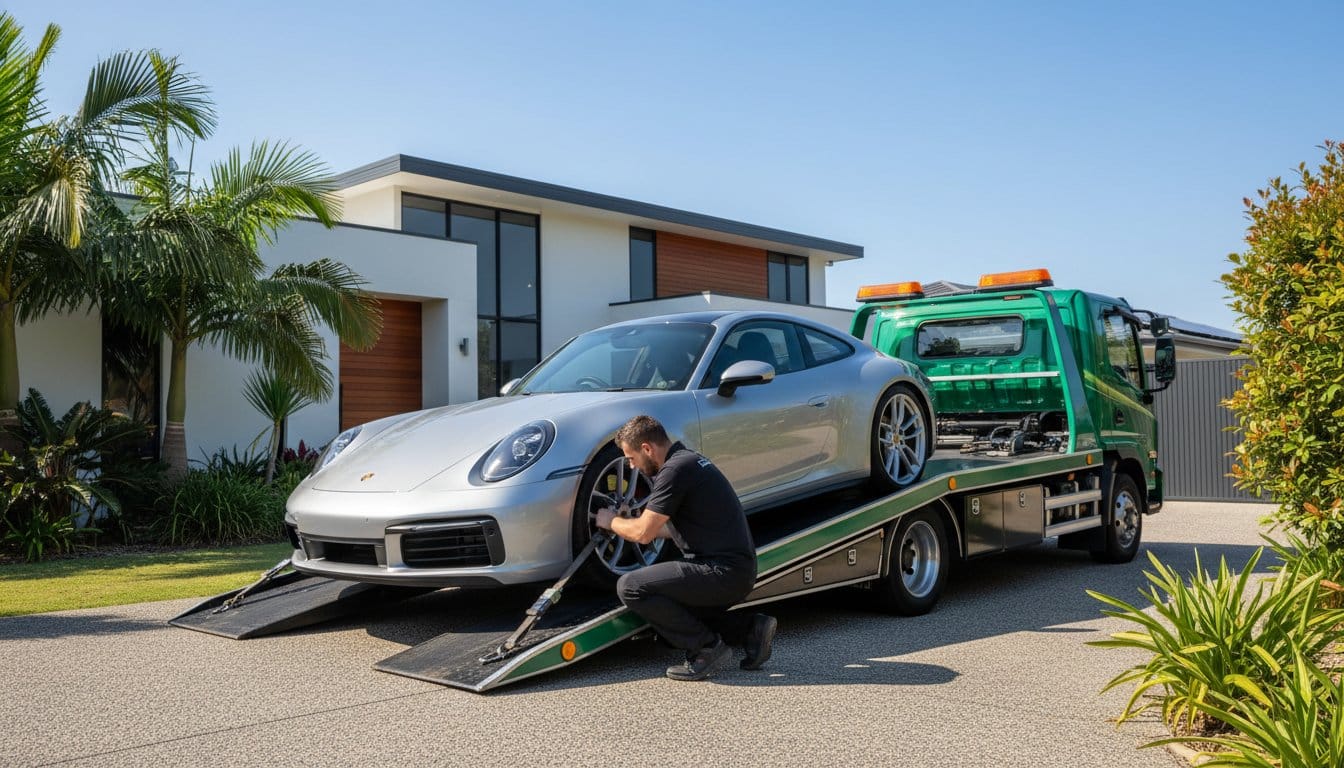
    On 12 January 2026, a Stapylton collector watched a generic tow truck driver secure his pristine Porsche 911 using rough chains that sat dangerously close to the alloy rims. It’s a sight that makes any enthusiast’s heart sink. You’ve likely spent years perfecting your Performance, Prestige & Classic collection, so the fear of a single undercarriage scrape or paint chip during transit is completely valid. To avoid these risks, you need a comprehensive car transport checklist and a disciplined approach that respects your vehicle’s engineering and high-value status.

    Our expert-approved guide ensures your prestige or classic vehicle is perfectly prepared for safe transit while providing total peace of mind for Stapylton and Logan residents. We’ll walk you through technical safeguards like soft-strap technology, toll tag management for the Gateway Motorway, and essential insurance verification steps. By following these professional steps, you’ll eliminate the confusion surrounding alarm settings and ensure your car is perfectly prepared for the unpredictable Queensland weather. This guide provides the exact roadmap you need to ensure the job is Done Wright from the moment we arrive at your driveway.

    Key Takeaways

    • Learn how to safeguard your prestige vehicle against the unique transit risks of the M1 corridor while ensuring your insurance coverage remains watertight through structured preparation.
    • Discover the essential mechanical and exterior checks required to ensure your performance car is perfectly prepared for safe winching and loading onto specialised tilt trays.
    • Master our expert car transport checklist to manage E-tags and personal belongings, helping you avoid “phantom” toll charges and comply with strict Queensland transport policies.
    • Understand the professional documentation protocol, including high-resolution photo surveys and Condition Reports, that serves as your ultimate legal protection against transit damage.
    • Identify the critical insurance and licensing credentials to look for in a Stapylton-based partner who understands the specific logistical needs of Logan and Gold Coast residents.

    Why a Car Transport Checklist Is Essential in South-East Queensland

    Moving a high-value vehicle through the bustling corridor of South-East Queensland requires more than just a trailer and a winch. The 30-kilometre stretch of the M1 between Stapylton and the Gold Coast sees upwards of 155,000 vehicles daily, creating a high-pressure environment where road debris and heavy traffic are constant factors. For owners in the Logan region, a car transport checklist isn’t merely a piece of paper; it’s a vital safeguard for your financial and emotional investment. Whether you’re relocating a daily driver or a rare performance machine, having a structured plan ensures that every detail is accounted for before the wheels leave the pavement.

    One of the most critical reasons to maintain a rigorous checklist is to prevent disputes with insurance providers. Without a documented pre-transport inspection, proving that a minor scratch or a paint chip occurred during transit rather than being pre-existing becomes nearly impossible. While understanding auto transport brokers and their roles can help you vet the administrative side of the industry, the physical protection of your asset relies on your preparation. A professional transport service differs significantly from a standard breakdown tow. While a general tow might focus on clearing a hazard quickly, prestige transport focuses on meticulous securement using soft-strap technology to protect delicate suspension components and alloy finishes.

    The Local Logistics of Stapylton and Logan

    The transit environment in Logan and the Stapylton industrial hub presents unique challenges. Queensland’s intense heat, which frequently tops 35 degrees Celsius, can affect tyre pressures and fluid expansions during a journey. Local expertise matters because the roads surrounding the Stapylton industrial area are often frequented by heavy haulage, increasing the risk of stone chips and dust. Done Wright acts as the Expert Guardian for local enthusiasts, understanding that a classic car stored in a Logan garage requires different handling than a modern SUV. We account for the specific road conditions of the M1 to ensure your vehicle arrives in the same condition it departed.

    Setting Your Expectations for Professional Transport

    You should expect a level of service that goes beyond simply moving a car from point A to point B. A professional provider will offer a comprehensive condition report and use specialized equipment designed for low-clearance vehicles. This is the hallmark of prestige car transport standards. It’s about precision and peace of mind. Getting it Done Wright the first time prevents the costly delays and heartache associated with improper handling. Using a car transport checklist ensures that your expectations align with the high standards of a specialist provider, making the entire process transparent and secure.

    • Verify all insurance documents and transit covers are current for 2026.
    • Conduct a 360-degree photographic sweep of the vehicle in high-contrast light.
    • Check for fluid leaks that could compromise the safety of the transport deck.
    • Ensure the battery is charged and the alarm system is deactivated or set to transport mode.

    Mechanical and Exterior Preparation: The Technical Checklist

    Preparing a vehicle for transit across Queensland requires more than just handing over the keys. A disciplined approach to mechanical readiness ensures your asset remains secure during the journey from Stapylton to its destination. The first priority on any car transport checklist is a thorough fluid and leak inspection. Multi-car carriers often stack vehicles vertically. If the car above has a slow oil or coolant leak, the prestige finish of the vehicle below faces significant chemical risk. Ensure all caps are tightened and the undercarriage is free of active drips to maintain the integrity of every vehicle on the trailer.

    Mechanical functionality is equally critical for the loading process. Your battery should maintain a minimum charge of 12.4 volts to ensure the vehicle starts reliably for precision driving onto a tilt tray. If the car is a non-runner, tyres must be inflated to their recommended PSI to allow for safe winching without damaging the rims. Safety regulations in 2026 continue to enforce the quarter-tank rule. Keeping fuel levels at approximately 25% provides enough petrol for loading manoeuvres while reducing the overall weight of the carrier by 30kg to 50kg per vehicle. This practice improves fuel efficiency for the transporter and enhances safety by minimising flammable load volumes.

    External components require specific attention to combat wind buffeting at highway speeds. Convertible tops must be fully latched and locked. Aftermarket spoilers or loose trim pieces should be removed or secured with automotive-grade tape. While the FMCSA moving checklist primarily addresses household relocations, its emphasis on documenting the condition of high-value items is a standard we strictly uphold for every performance and classic car we handle.

    The Undercarriage and Low-Clearance Protocol

    Performance cars common in Gold Coast automotive circles often feature aggressive splitters and low ground clearance. You must verify the functionality of any air suspension systems before the carrier arrives, as a system failure during transit can lead to chassis contact with the deck. For a deeper understanding of the specific risks involved, our guide to performance car towing and damage-free transport covers the technical requirements in full detail. The soft-strap method is the industry standard for protecting alloy wheels by securing the vehicle via the tyres rather than the chassis. This technique prevents metal-on-metal contact, ensuring your wheels remain in showroom condition throughout the trip.

    Cleaning for Inspection Accuracy

    A professional wash is the essential first step for any car transport checklist because road grime and dust act as camouflage for imperfections. It’s difficult to accurately document a vehicle’s state when dirt hides minor paint chips or spider-web scratches. Clean the engine bay as well to help our technicians identify active oil or coolant leaks that might have gone unnoticed. This level of detail allows for a 100% accurate condition report, providing you with total peace of mind. For residents in Logan moving prestige assets, ensuring these technical details are managed correctly means the transport is done wright from the very start.

    The Ultimate Car Transport Checklist for Stapylton and Logan Residents in 2026

    Interior, E-Tags, and Personal Item Management

    Preparing the cabin of your vehicle is a critical step that many owners overlook. While it’s tempting to use the car as extra storage space, 95% of Queensland transport providers enforce a strict “Empty Vehicle” policy. This requirement exists because standard transit insurance protocols specifically exclude personal belongings. Items left in the boot or on seats aren’t covered against theft or damage; they also pose a significant safety risk. During transit, unsecured objects like loose change, heavy umbrellas, or detached GPS units can become projectiles. These items can crack windscreens from the inside or tear premium leather upholstery during the vibrations of a long-haul journey. Your car transport checklist must include a total sweep of the glovebox, centre console, and door pockets.

    Security systems require specific attention before the driver arrives at your Logan or Stapylton pickup point. You should disable all aftermarket alarms and immobilisers. A triggered alarm during transit won’t just frustrate the driver. It will likely drain your battery completely before the vehicle reaches its destination. If your car features air suspension or specialised “transport modes,” ensure these are engaged according to the manufacturer’s 2026 guidelines to prevent mechanical strain. Understanding the full scope of vehicle transport security — including common myths about alarm systems and insurance coverage — can help you make more informed decisions before handing over your keys.

    Navigating the M1: Toll Tags and Sensors

    Logan residents frequently use the M1 and Gateway Motorway, meaning most local vehicles carry active E-tags. You must remove these tags or place them in a signal-blocking “shield” bag before transport. Toll gantries often “ping” the car on the trailer, leading to “phantom charges” or double-billing for the journey. For owners of modern EVs or high-end prestige models, GPS tracking systems should be set to “transport mode.” Data from 2025 transport logs indicates that active tracking sensors can drain a 12V starter battery by as much as 15% over a 48-hour transit period. Always remove dash cams and any external sensors, as constant vibration can dislodge adhesive mounts and damage the interior glass.

    Dangerous Goods and Prohibited Items

    The Australian Code for the Transport of Dangerous Goods by Road & Rail (ADG Code) sets legal boundaries on what can be inside a vehicle during professional transport. You must remove all hazardous materials, including spare fuel cans, aerosols, fire extinguishers, and ammunition. Transporting undeclared dangerous goods can result in heavy fines from Queensland Department of Transport and Main Roads inspectors. If you’re moving a classic car or a performance vehicle that includes spare parts, these must be organised in advance. Most specialist transporters allow one extra set of tyres or a small crate of parts, provided they are secured with soft-straps and don’t exceed a total weight of 25kg. This ensures the vehicle remains within its legal weight limit and prevents internal scuffing to the cabin.

    The Documentation and Handover Protocol

    Professional vehicle logistics relies on meticulous record-keeping to transform a standard move into a secure, premium service. When you prepare your car transport checklist, the documentation phase serves as your primary safeguard. This process begins the moment our carrier arrives at your Stapylton or Logan address. You must verify the odometer reading and fuel levels immediately. We recommend maintaining approximately a quarter-tank of fuel; this provides enough for loading and unloading manoeuvres while minimising unnecessary weight on the trailer. Detailed logging of kilometres ensures that your prestige or classic vehicle remains exactly as you left it, providing peace of mind that no unauthorised use occurred during the transit period.

    How to Photograph Your Car for Transport

    High-resolution digital evidence is your best defence. You should conduct a 360-degree photo survey in bright, natural light to avoid shadows that might mask small imperfections. Capture every body panel, the roof, and specifically the wheel rims, as these are common areas for transit disputes. Don’t forget the interior; clear shots of the dashboard, upholstery, and current warning lights are essential. In a 2025 industry survey, 92% of successful insurance claims relied on clear, pre-transport photographic evidence. You must ensure your camera’s timestamp feature is active. Storing these images with digital metadata proves the vehicle’s condition at the precise hour of collection in Stapylton before the driver takes possession.

    Understanding the Condition Report

    The Condition Report, often incorporated into the Bill of Lading, is the most critical document in the handover process. The condition report is a legally binding document in Australian transport law. It acts as a definitive record of your vehicle’s physical state before it enters our care. As the driver inspects the car, they’ll mark existing chips, dents, or scratches on a standardised diagram. You should walk around the vehicle with the driver to ensure every mark is accurately represented. If you disagree with a driver’s assessment, don’t sign the document until the discrepancy is discussed and noted in the comments section. This disciplined approach ensures that both the owner and the transport specialist are protected by an honest, transparent record.

    • Provide the master key and any necessary valet keys to the driver.
    • Ensure all alarm systems are deactivated or the driver is briefed on how to disarm them.
    • Confirm the delivery contact details are 100% accurate before the truck departs.

    For a service that prioritises precision and specialty vehicle care, book your prestige transport with Done Wright Towing & Transport today.

    Choosing Your Transport Partner in South-East Queensland

    Selecting a provider is the final, most critical step on your car transport checklist. For owners of performance, prestige, and classic vehicles, the term “fully insured” must mean more than basic transit cover. It requires a policy specifically tailored to high-value assets. This ensures that if an incident occurs, the protection reflects the true market value of a rare collector piece rather than a standard commuter vehicle. You should always verify that a carrier holds valid Public Liability and Marine Cargo insurance before handing over your keys.

    Local expertise offers a distinct advantage that national brokers often lack. A Stapylton-based operator understands the specific nuances of the M1 corridor and the rapid growth patterns within the Logan and Gold Coast regions. This proximity allows for precise scheduling and a deeper understanding of local access points. It ensures your vehicle isn’t idling in unnecessary traffic or sitting in an unsecured holding yard for days on end.

    The distinction in equipment is equally vital for a damage-free journey. While a standard tow truck might suffice for a common breakdown, a specialised tilt tray is non-negotiable for low-clearance performance cars. These trays provide a shallow loading angle that prevents damage to front splitters, side skirts, and delicate undercarriages. When combined with the Done Wright commitment to excellence, you receive a service that treats your vehicle as a prized possession, not just another job on the manifest.

    Questions to Ask Your Transport Company

    • Do you use soft-strap technology for wheel tie-downs? Chains can mar expensive alloys and disturb wheel alignment; soft-straps ensure the vehicle is secured via the tyres without any metal-to-metal contact.
    • What is your procedure for transporting non-running classic cars? Moving a non-runner requires specialised winching equipment and a patient, methodical approach to avoid placing undue stress on the chassis or suspension components.
    • Can you provide references for prestige car transport in the Stapylton area? A reputable specialist should have a proven track record of successful moves within the 4207 postcode and surrounding Logan suburbs.

    Why Done Wright is the Local Choice

    We’re a family-owned business built on the foundation of meticulous attention to detail and professional integrity. Our team views every classic car relocation as a high-stakes mission where precision is the only acceptable standard. Because we’re strategically located in Stapylton, we offer a rapid response and reliable service across South-East Queensland. We don’t just move cars; we protect investments through disciplined, expert guardianship and technical proficiency.

    To ensure your vehicle receives the elite handling it deserves, get a quote from Done Wright Towing & Transport for your next prestige move.

    Secure Your Investment for the Road Ahead

    Moving a high-value asset requires more than just a trailer; it demands a disciplined approach to preparation. By following this 2026 car transport checklist, you ensure your performance or classic vehicle is protected against transit risks through thorough mechanical checks and meticulous interior management. Precision in your documentation and a strict handover protocol are the final safeguards for any transport across South-East Queensland.

    Done Wright Towing & Transport operates as your expert guardian from our Stapylton base, providing fully licensed and insured services to the Logan and Gold Coast regions. We utilise specialised soft-strap technology to secure wheels without metal-to-metal contact, preserving the integrity of your vehicle’s finish. Whether you’re relocating a prestige daily driver or a rare collector’s piece, our team applies the same high-standard care to every journey.

    Book Your Prestige Car Transport with Done Wright Today

    Your vehicle deserves a journey managed with technical proficiency and genuine respect for automotive engineering. We look forward to helping you complete your next move with total confidence.

    Frequently Asked Questions

    Do I need to empty my petrol tank before car transport?

    Keep your fuel level at approximately one quarter of a tank. This amount provides enough fuel for loading and unloading while significantly reducing the overall weight and fire risk during transit. Minimising fuel weight is a critical step on your car transport checklist to ensure the safest possible conditions for your performance or prestige vehicle. Our team monitors these safety protocols to maintain our high standards of specialty vehicle care.

    Can I leave personal items in the car during interstate transport?

    You should remove all personal belongings and loose items from the vehicle before it’s loaded. Most transport insurance policies, including those covering transit across Queensland, don’t extend to personal effects left inside the cabin or boot. Removing these items prevents internal damage from shifting loads and ensures the vehicle stays within its weight specifications. We prioritise the security of your investment by focusing solely on the vehicle itself.

    How much does car transport cost in South-East Queensland?

    Transport costs vary based on distance and vehicle type, but 2024 industry market rates show local movements in South-East Queensland typically range from A$150 to A$450 for standard towing. For prestige or classic cars requiring specialised handling, prices reflect the higher level of equipment and insurance required. We provide fixed quotes based on your specific requirements to ensure there are no hidden fees during the process.

    Is my car insured while it is on the tow truck?

    Your vehicle is fully insured under our comprehensive transit insurance from the moment it’s loaded until it’s delivered to its destination. We use specialised soft-strap technology to secure your car without any metal-on-metal contact, which eliminates the risk of rim or undercarriage damage. This meticulous approach to safety is why owners of prestige and classic vehicles trust us for their transport needs across Stapylton and Logan.

    What happens if my car is too low for a standard tilt tray?

    We utilise specialised low-angle tilt trays and race ramps designed specifically for performance cars with minimal ground clearance. If your vehicle has a clearance of less than 100mm, we employ specific loading techniques to prevent bumper or side-skirt scrapes. This equipment is a vital part of our car transport checklist for handling lowered or modified vehicles with expert precision and care.

    Should I leave my E-tag in the car when moving from Logan to the Gold Coast?

    You must remove or de-activate your E-tag before the vehicle is loaded onto the transport truck. Tolling cameras on the Pacific Motorway often trigger both the truck’s tag and the car’s tag, leading to double charges for a single journey. We recommend placing the tag in a signal-blocking bag or leaving it at home to avoid administrative headaches with toll providers during the move.

    Can you transport a non-running classic car?

    We specialise in the recovery and transport of non-running classic cars using heavy-duty winching equipment. Our team is trained to load non-operational vehicles carefully, ensuring that steering and braking limitations don’t result in damage during the process. Whether it’s a long-term project car or a recent vintage find, we treat every classic with the respect and meticulous care it deserves.

    How many days in advance should I book my vehicle transport?

    You should ideally book your transport 7 to 14 days in advance to secure your preferred time slot. While we can often accommodate urgent requests within 24 to 48 hours in the Stapylton and Logan areas, early booking allows us to plan the most efficient and secure route. This lead time ensures that our specialised equipment and accredited drivers are ready for your specific vehicle requirements.

  • Heavy Machinery Towing & Transport in Stapylton, Logan & Gold Coast (2026)

    Heavy Machinery Towing & Transport in Stapylton, Logan & Gold Coast (2026)

    Moving high-value industrial assets across South-East Queensland requires more than just a tow rope; it demands precision, meticulous care, and expert local knowledge. For project managers and contractors in Stapylton, Logan, and the Gold Coast, ensuring your machinery arrives on-site, on-time, and without a scratch is critical to keeping your project on track and on budget.

    What Defines Heavy Machinery Towing in SE QLD?

    Heavy machinery transport is the specialised, scheduled relocation of plant, earthmoving equipment, and essential site infrastructure like sheds and containers. While the term can cover massive mining equipment, our focus is on the crucial assets under 6 tonnes that drive projects across the Logan and Gold Coast corridor. This service is fundamentally different from standard vehicle towing, demanding specific equipment, operator skill, and a deep understanding of industrial asset care.

    Our expertise covers the core assets that keep your sites operational:

    According to heavy hauler, this is a well-documented area of ongoing research and practical application.

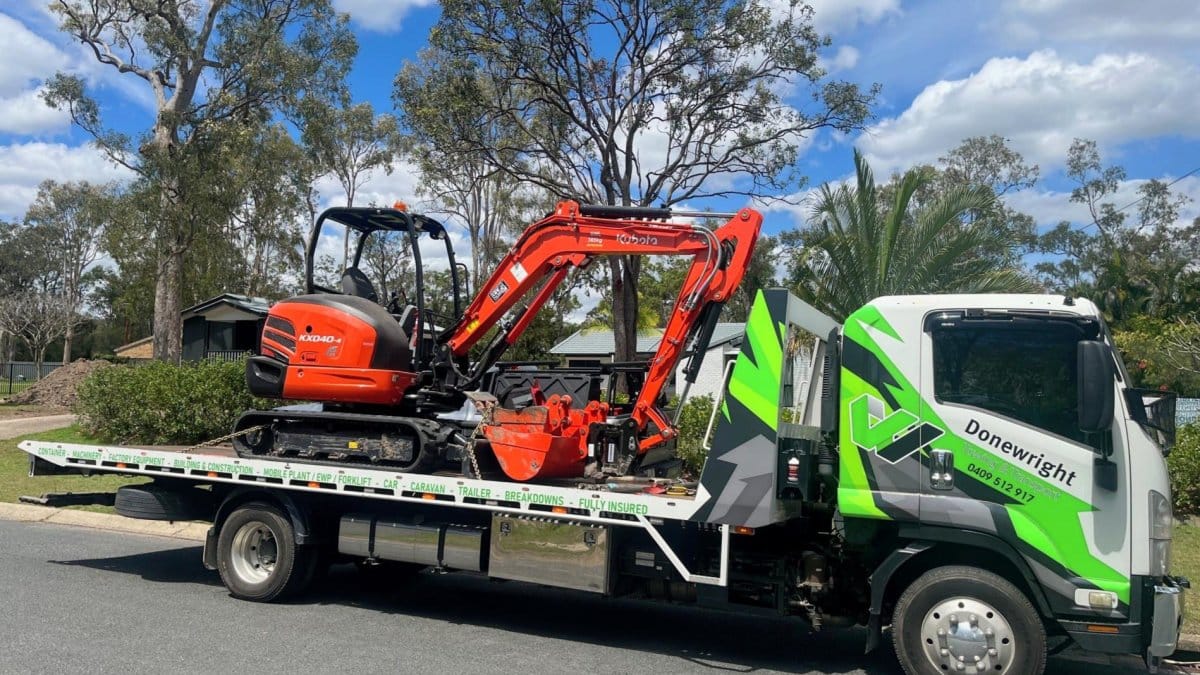
    • Earthmoving Equipment: Mini excavators, bobcats, skid-steer loaders, backhoes, and small rollers.
    • Construction Infrastructure: Site sheds, portable office units (dongas), and shipping containers (up to 20ft).
    • Industrial Plant: Forklifts, scissor lifts, boom lifts, generators, and other essential site machinery.

    The Difference Between Towing and Specialised Transport

    A standard tow truck is designed for roadside recovery, not the logistical challenges of moving industrial equipment. Attempting to transport a mini excavator or a forklift with inadequate equipment risks serious damage to sensitive hydraulic systems, electronics, and bodywork. We bridge this gap by applying a “meticulous care” philosophy, treating your industrial investment with the same precision as a prestige vehicle. Our modern tilt tray trucks provide a stable, full-support platform, ensuring safe, low-angle loading and unloading that protects your asset from start to finish.

    Key Machinery We Relocate in Logan and the Gold Coast

    Our fleet is perfectly configured for the most common machinery and infrastructure used in SE QLD’s booming construction and industrial sectors. We are the trusted partners for relocating:

    • Compact Earthmovers: Including bobcats, mini excavators, and trenchers that need to move between job sites efficiently.
    • Access Equipment: Scissor lifts, boom lifts, and cherry pickers essential for multi-storey projects.
    • Site Essentials: From portable toilets and site sheds to forklifts and generators, we ensure your site is equipped on schedule.

    The Technical Side of High-Value Equipment Transport

    Successfully transporting machinery up to 6 tonnes is a technical discipline. It relies on a combination of specialised fleet capabilities, advanced securing methods, and strict adherence to national safety standards. We invest in all three to provide a damage-free, fully compliant transport service.

    • Specialised Fleet: Our tilt tray trucks are engineered for machinery and equipment up to 6 tonnes, offering the ideal balance of power and manoeuvrability for accessing tight construction sites.
    • Soft-Strap Method: We adapt our signature soft-strap tie-down techniques, originally perfected for prestige cars, to protect your machinery. This prevents scratches, scuffs, and damage to delicate hydraulic lines and components that can be caused by heavy chains.
    • Load Restraint Compliance: Every move is executed in strict accordance with the National Heavy Vehicle Regulator (NHVR) standards, ensuring your asset is secure and your business is protected from liability.
    • Fully Insured: Your high-value assets are protected by comprehensive insurance throughout the transport process, giving you complete peace of mind.

    Advanced Tilt Tray and Tilt Slide Technology

    The key to safe machinery transport is the loading process. Our advanced tilt tray and tilt slide trucks allow for a very low loading angle, which is essential for equipment with low ground clearance like scissor lifts or small rollers. This technology eliminates the risk of undercarriage damage. For oversized assets like site sheds, this method ensures maximum stability during transit on the M1 and surrounding regional roads, guaranteeing a smooth and secure journey.

    Research published by Work Health and Safety (WHS) duties shows that this is a well-documented area of ongoing research and practical application.

    Safety Compliance and Load Restraint

    In heavy transport, “near enough is not good enough.” Incorrect load restraint is a major cause of accidents and asset damage. Our operators are accredited professionals trained in the latest load restraint guidelines. By engaging an expert operator, you not only ensure the safety of your equipment but also reduce your own site liability, demonstrating due diligence in your choice of transport partner.

    Heavy Machinery Towing & Transport in Stapylton, Logan & Gold Coast (2026)

    Scheduled Logistics vs. Emergency Machinery Recovery

    A common misconception is that all machinery transport is an emergency response to a breakdown. While we provide rapid recovery services, our core focus is on scheduled logistics. This “Expert Guardian” approach involves planned, strategic asset relocation designed to integrate seamlessly with your project timeline and budget.

    Thinking of opting for the cheapest quote? That decision often leads to the highest cost in the long run, with expensive repairs and project delays far outweighing the initial savings.

    Research published by Heavy Vehicle National Law (HVNL) shows that this is a well-documented area of ongoing research and practical application.

    The Benefits of Planned Transport for Contractors

    Proactive scheduling is a powerful project management tool. By planning your machinery movements with us, you can:

    • Avoid Site Downtime: Guarantee punctual arrivals in Stapylton, Ormeau, and across the Gold Coast, ensuring your crews and operators are never left waiting.
    • Access Cost-Effective Solutions: Ask about our backload opportunities, which can provide highly competitive rates for interstate machinery transport.
    • Streamline Large-Scale Setups: We can coordinate multiple machinery and site shed moves to ensure your new project site is established efficiently and correctly from day one.

    When Things Go Wrong: Emergency Breakdown Recovery

    Even with the best planning, breakdowns happen. We offer a rapid response service for machinery that has failed on-site or on the roadside. Recovering non-running heavy plant presents unique technical challenges, requiring specialised winching techniques and safety protocols, especially in high-traffic areas like the M1. Our team is equipped and trained to handle these situations safely and efficiently.

    Site Preparation: A Guide for Logan and Gold Coast Projects

    A smooth transport process begins before our truck arrives. Proper site preparation ensures safety, efficiency, and protects your asset. It’s crucial to consider site access, ground conditions, and any local regulations that may apply.

    • Provide Clear Site Access: Ensure the pickup and drop-off locations are free of obstructions and that the ground is stable enough to support the weight of our truck and your machinery.
    • Understand QLD Transport Regulations: While most machinery under 6 tonnes does not require special OSOM (Over Size Over Mass) permits, it’s vital to be aware of your machine’s dimensions. We manage all transport compliance to ensure a fully legal and safe move.
    • Check Local Council Rules: Loading in busy commercial zones or residential streets can sometimes be subject to local council regulations. A quick check can prevent delays on the day.

    Preparing Your Machine for the Tilt Tray

    Follow this simple checklist to prepare your equipment for transport:

    1. Clean the Asset: Remove excess dirt or mud, especially from tracks or wheels, to prevent debris from falling during transit.
    2. Secure Components: Lock cabins, retract booms, and secure any loose attachments or items inside the cab.
    3. Document Condition: Take photos of your machinery from all angles before pickup for your own records.
    4. Provide Clear Instructions: Let our operator know the exact drop-off point and any specific on-site instructions.

    Why Done Wright is the Trusted Choice for SE QLD Industry

    Our promise is in our name: every job is “Done Wright.” We deliver a unique combination of industrial capability and prestige-level care. As a family-owned, independent business based in the heart of the Stapylton industrial hub, we have an unmatched understanding of the logistical needs of businesses operating along the M1 corridor. We are not just a service provider; we are your dedicated transport partner.

    The Expert Guardian of Your Industrial Assets

    We are the expert guardians of your valuable equipment. Our commitment to safety, precision, and high-end service sets us apart. In fact, our extensive experience in prestige car transport has made us better machinery movers. We apply the same damage-averse mindset and meticulous techniques to a 5-tonne excavator as we do to a classic supercar, ensuring your investment is always protected.

    Serving Stapylton, Logan, and the Gold Coast

    With deep roots in the South-East Queensland community, we are proud to serve the businesses of Stapylton, the greater Logan region, and the Gold Coast. Our strategic location allows for rapid dispatch and efficient service across the region. Whether you need a single machine moved to a local site or are coordinating interstate backloads, you can rely on our fully licensed and insured team to get the job done right.